
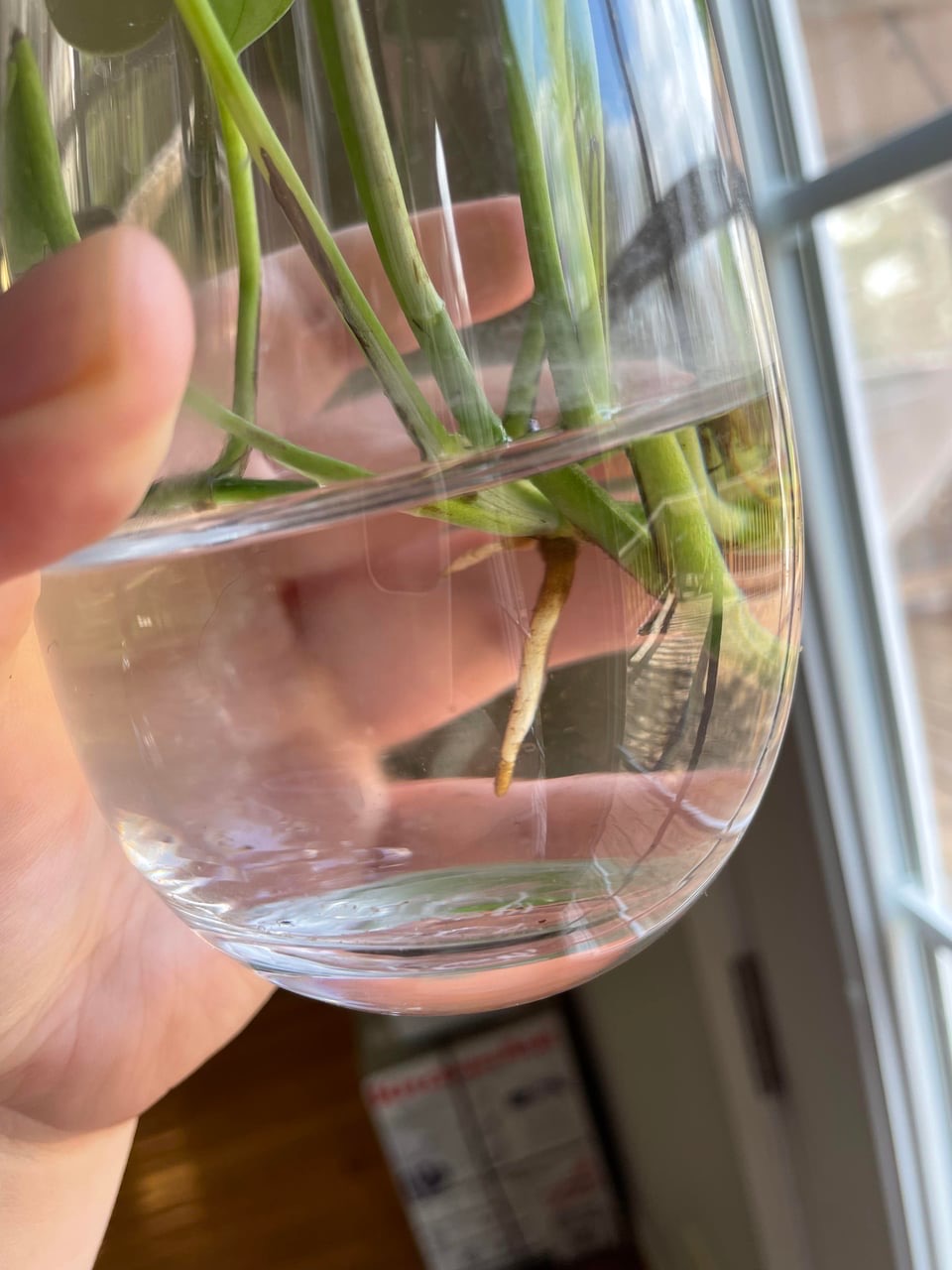
If you want some more plants to add to your collection then pothos is a great choice for propagating. And doing it in water is arguably the best way.
Not only is water propagation straightforward but it’s also a lot of fun to watch as the new roots develop.
If you’re not sure where to begin though then this guide will cover you. I’ll take you through each step of how to propagate your pothos in water and make sure it’s successful.
Understanding Pothos Propagation
Before you get your hands wet it’s always good to understand exactly what propagation involves. Especially if you’re not sure and haven’t done it before.
It’s actually pretty simple – propagation is when you create new plants from existing ones.
So for pothos this is done by taking cuttings of the stems that you put in water and they then grow roots. These eventually turn into independent plants.
Why Propagate Pothos?
- Cost-Effective: You get more plants without having to pay anything!.
- Personalized Gifts: You can share your newly propagated plants with friends and family.
- Plant Health: Pruning and propagating your plants can actually make the mother plant grow better and healthier.
Materials You’ll Need
Get together the following items before you begin:
- A healthy pothos plant
- Scissors or pruning shears
- A clear glass or jar
- Clean, room temperature water
- Optional: Rooting hormone
- Optional: Fertilizer

Step by Step Guide to Propagating Pothos in Water
1. Select a Healthy Vine
Choose a mature vine that is healthy from your pothos. You want a cone that doesn’t have any diseases, pests and that isn’t discolored.
If possible you want the vine to have at least for to six leaves. There should be nodes you can see as well (those are small bumps you’ll see along the vine where the leaves and roots grow)
2. Make the Cut
Using hour scissors or shears cut the vine just below one of the nodes. The node is really important because that’s here the roots will eventually grow from.
Try to make your cutting about 4 to 6 inches long and that has at least two or three leaves.
3. Prepare the Cutting
Take off the leaves closest to the cut end but make sure at least one or two of the nodes is showing. It these nodes that will be put in the water and where the new roots will grow from.
Just make sure you don’t damage the nodes as you do any of this.
4. Optional: Apply Rooting Hormone
Pothos cuttings generally grow their roots in water without needing any help. But if you dip the cut end in rooting hormone it can happen faster.
You don’t have to do this though. It’s really beneficial if your doing your propagating in the winter and fall when your pothos will be growing slower.
5. Place the Cutting in Water
Fill the glass or jar you’ve already got with water. It need to be clean and ideally room temperature.
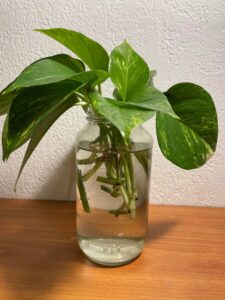
Then put the cutting into the water making sure the nodes are covered with water but the leaves stay out of it.
This is why a clear jar or glass is useful because it lets you keep an eye on how the roots are doing and growing.
6. Provide The Right Conditions
Put the glass somewhere that gets bright, indirect light. Direct sunlight can result in algae growing in the water and also overheating your cutting.
Try to keep it at about room temperature, somewhere between 65 to 75°F (18 to 24°C) is best.
7. Maintain the Water
Change the water every 5 to 7 days so you don’t get bacteria growing. Also fresh water means the cutting will get enough oxygen.
If you can see the water has become cloudy or is starting to smell then change it more often. And stick to using room temperature water so you don’t shock the cutting.
8. Monitor Root Development
Over the next few weeks you should be watching the nodes to see when and how the roots develop. You should start seeing some roots within a month.
But it can be quicker or longer depending on the environment it’s growing in. Wait until the roots are at least to 3 inches long before you start thinking about transplanting your cutting.
9. Optional: Transplant to Soil
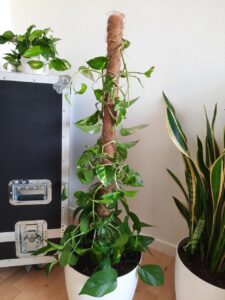
Once the roots have grow to a good length you can move the cutting to soil. Make sure the pot you move it to has enough drainage holes and use a potting mix that drains well.
Water it well once you’ve moved it and put it somewhere with bright and indirect light. The soil will need to stay moist for the first few weeks so the roots can get used to being in soil.
Common Mistakes to Avoid
While propagating pothos in water is generally easy and straightforward there are a few problems that can go wrong:
- Submerging Leaves: Make sure none of the leaves are under the water as this can lead to rot.
- Inconsistent Water Changes: Regularly changing the water stops bacteria from growing and the water going stagnant.
- Insufficient Light: Give your cutting enough indirect light so the roots grow healthily.
- Delaying Transplantation: Once the roots are fully developed don’t wait too long to transplant the cutting as the roots can become more fragile when they’re left in water for any length of time.
Frequently Asked Questions
Can I keep my pothos cutting in water indefinitely?
Yes, pothos can live in water as long as you like. But they may not grow as well as those planted in soil. If you choose to keep your pothos in water over the long term then it helps to add some fertilizer every 4 or 6 weeks so it gets the nutrients it needs.
How long does it take for pothos to root in water?
It usually takes around 2 to 4 weeks for the roots to develop. But a lot of this depends on things like the light the cutting is getting, the temperature and how healthy it was to begin with. Be patient and don’t handle the cutting too often as you might upset how the roots are growing.
Why are my pothos cuttings not rooting?
If your cuttings aren’t growing any roots look at:
- Water Quality: Use clean water that ideally doesn’t have any chlorine in it. Let tap water sit out for 24 hours so the chlorine evaporates.
- Light Issues: Make sure the cutting is getting bright, indirect light.
- Temperature: Don’t let the cutting get too cold or hot.
- Damaged Nodes: If the nodes are damaged then regardless of what you do the cutting may struggle to grow roots.
Uses for Propagated Pothos
Once you’ve propagated your pothos and it’s worked there’s more you can do. These are just a few creative things you can do with your new plant or plants.
- Wall Decor: Put any rooted cuttings in small containers that you mount to the wall. This makes a really unique piece of art.
- Terrariums: Add small pothos cuttings to a terrarium.
- Water Gardens: You can mix your pothos cuttings with other aquatic plants in a bowl or aquarium.
- Gifting: Give your propagated pothos to friends and family as a sweet present.
Quick Reference Table for Pothos Propagation
| Step | Key Actions | Tips |
|---|---|---|
| Select Vine | Choose a healthy vine that has nodes. | Don’t use damaged or yellow vines. |
| Make the Cut | Cut below a node. | Use scissors that are clean to so you don’t get an infection. |
| Prepare Cutting | Remove the leaves near the cut end. | Leave at least 1 to 2 leaves on top. |
| Put in Water | Put the nodes in water. | Keep any out of the water. |
| Change Water | Refresh every 5 to 7 days. | Use room temperature water. |
| Monitor Roots | Wait for 2 to 3 inch roots. | Be patient. |
Final Thoughts
Propagating pothos is fun and you get a new plant at the end of it. What could be better than giving life from a simple cutting. Plus it’s weirdly satisfying to watch the roots grow each day.
So grab those scissors, a clear jar and your favorite pothos plant and get started.
