

I’ve been growing astilbe for many years now. When I first started gardening I thought I could just plop these pretty shade lovers anywhere and watch them thrive. Yeah, that doesn’t work!
My beautiful astilbe plants struggled when planted with the wrong neighbors & it took me years of trial and error to figure out what works and what doesn’t.
Understanding Astilbe
Astilbes are woodland plants that thrive in moist, humus rich soil with partial to full shade. They’re a really lovely additions to shady gardens with feathery plumes in shades of pink, red, white and lavender. But they’re also annoyingly particular about their growing conditions and companions.
Getting it wrong with astilbe companions can lead to stunted growth, fewer flowers and in worst cases, plant death. I’ve seen perfectly healthy astilbe plants wither away in just one season when forced to compete with aggressive neighbors for resources.
So before you start digging holes for your astilbe let me share what I’ve learned about what NOT to plant alongside them.
Plants to Avoid Planting with Astilbe
1. Black Walnut Trees
This was my biggest mistake when I first started gardening. I had a gorgeous black walnut tree in my yard and thought the shade underneath would be perfect for astilbe. Within weeks my astilbe plants were struggling.
Black walnut trees produce juglone, a toxic substance that inhibits growth in many plants, including astilbe. The toxin is present in all parts of the tree – roots, leaves, nut hulls and even in the soil surrounding it. My astilbe never stood a chance.
If you have black walnut trees keep your astilbe at least 50-60 feet away from the tree’s drip line to avoid juglone poisoning.
2. Aggressive Ground Covers

Plants like pachysandra and English ivy might seem like good shade companions, but trust me, they’ll outcompete your astilbe for nutrients and water.
I once planted some astilbe near an established patch of pachysandra, thinking they’d make good neighbors in my shade garden. Within two seasons, the pachysandra had completely overtaken the area, and my astilbe were struggling to get enough resources. The aggressive root systems will always win against the more delicate astilbe roots.
3. Hostas (Large Varieties)

Now, I know what you’re thinking – hostas and astilbe are both shade lovers, so they must be perfect companions! Well, yes and no. Small to medium hostas can work well with astilbe but large hosta varieties can overshadow and outcompete them.
4. Sun-Loving Perennials

Plants like echinacea, rudbeckia and coreopsis love the sun, while astilbe prefers shade. I learned this lesson when I tried to create a “transition garden” with sun-lovers on one side and shade-lovers on the other. Neither group was happy.
The sun-loving plants attracted too much heat to the area, drying out the soil that my astilbe needed to stay moist. Plus, they have completely different water requirements – drought-tolerant sun-lovers versus moisture-loving astilbe simply don’t make good garden companions.
5. Japanese Maples (Some Varieties)
This one broke my heart because Japanese maples and astilbe seem like they’d be a dream team for a shade garden. However, some Japanese maple varieties have shallow root systems that compete directly with astilbe for water and nutrients.
6. Drought-Tolerant Plants

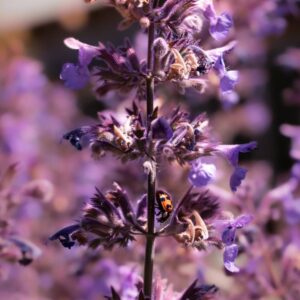
Lavender, yucca, sedum and other plants that thrive in drier conditions should be kept away from your moisture-loving astilbe. Not only do they have opposing water needs but planting them together means one group will always be unhappy.
If you try planting with sedum and lavender it simply won’t work. The astilbe will get stressed and produce fewer flowers, mainly because its so difficult to maintain the consistent moisture they need without overwatering the drought-resistant plants.
7. Heavy Feeders

Roses, dahlias and other plants that require lots of nutrients can deplete the soil before astilbe can get its fair share. I have a rose garden that I once tried to underplant with astilbe. A rookie mistake. The roses consumed so many nutrients that my astilbe looked perpetually malnourished, despite regular fertilizing.

8. Plants with Aggressive Root Systems
Bamboo, mint and other plants with invasive roots will quickly overtake your astilbe’s growing space. A neighbor gave me some bamboo shoots that I unwisely planted near my shade garden. Within two years I was finding bamboo popping up right in the middle of my astilbe clumps and removing it without damaging the astilbe was nearly impossible.
9. Full-Sun Vegetables
This might seem obvious but I’ve seen people try to mix ornamentals and edibles with poor results. Tomatoes, peppers, squash and other sun-loving vegetables will not only compete with astilbe for resources but also create an environment that’s too sunny and dry.
10. Tall Ornamental Grasses
Miscanthus, pampas grass and other tall grasses create too much shade and competition for astilbe. I once had a beautiful stand of miscanthus that I thought would provide the perfect dappled shade for astilbe. Instead the grasses’ dense root systems sucked up all the water and the astilbe struggled and eventually died out.
11. Rhododendrons and Azaleas
While these shrubs also like acidic soil they can create too much dense shade for astilbe to flower well. Their thick, shallow root systems also compete directly with astilbe.
If you do plant them together then while the astilbe will grow it’s likely they’ll produce far fewer flowers than they did in areas without competition from the shrubs’ roots.
12. Plants That Need Excellent Drainage
Salvias, Russian sage, thyme and other plants that need sharp drainage will rot if planted in the consistent moisture that astilbe requires.
13. Daylilies (Some Varieties)
Some aggressive daylily varieties can outcompete astilbe for nutrients. I have a collection of daylilies and I’ve found that while the more delicate varieties can coexist with astilbe, the vigorous cultivars tend to overshadow and outcompete them.
Good Companion Plants for Astilbe
Now that we know what not to plant with astilbe let’s talk about some plants that actually make good companions.
- Ferns – Ferns and astilbe are natural companions in the woodland garden. They have similar growing requirements and complement each other beautifully.
- Heuchera (Coral Bells) – These provide great foliage contrast with astilbe and have similar growing requirements.
- Bleeding Heart (Dicentra) – These spring bloomers fade as astilbe begins to shine, making them perfect sequential companions.
- Small to Medium Hostas – Unlike their larger cousins, smaller hosta varieties can peacefully coexist with astilbe.
- Tiarella (Foamflower) – Another woodland native that thrives in the same conditions as astilbe.
- Japanese Forest Grass (Hakonechloa) – This well-behaved grass provides beautiful textural contrast without overwhelming astilbe.
- Brunnera – With its beautiful heart-shaped leaves, brunnera makes a lovely companion for astilbe.
Tips for Successful Companion Planting with Astilbe
These are some simple guidelines for successfully incorporating astilbe into mixed plantings:
- Match water needs – Always pair astilbe with other moisture-loving plants. This is non-negotiable for success.
- Create light compatibility – Group plants with similar light requirements. Astilbe does best in partial to full shade.
- Consider root competition – Avoid plants with aggressive, spreading root systems that will outcompete astilbe.
- Plan for mature sizes – What looks good the first year might become a problem as plants reach their full size. Give everything room to grow.
- Maintain soil acidity – Astilbe prefers slightly acidic soil (pH 5.5-6.5). Pair them with plants that enjoy similar conditions.
Final Thoughts
Astilbes are some of the most beautiful and rewarding perennials for shade gardens. But they do need some thoughtful planning when it comes to companion planting. I’ve killed more astilbe than I care to admit by pairing them with incompatible neighbors before I learned these lessons.
The main way to success with astilbe is providing consistent moisture, rich humus soil & protection from both aggressive plant neighbors and harsh afternoon sun.
My shade garden now features a beautiful combination of astilbe, ferns, heuchera and small hostas – all playing nicely together without competition. It took years of trial and error to get here but the results are so worth it.
