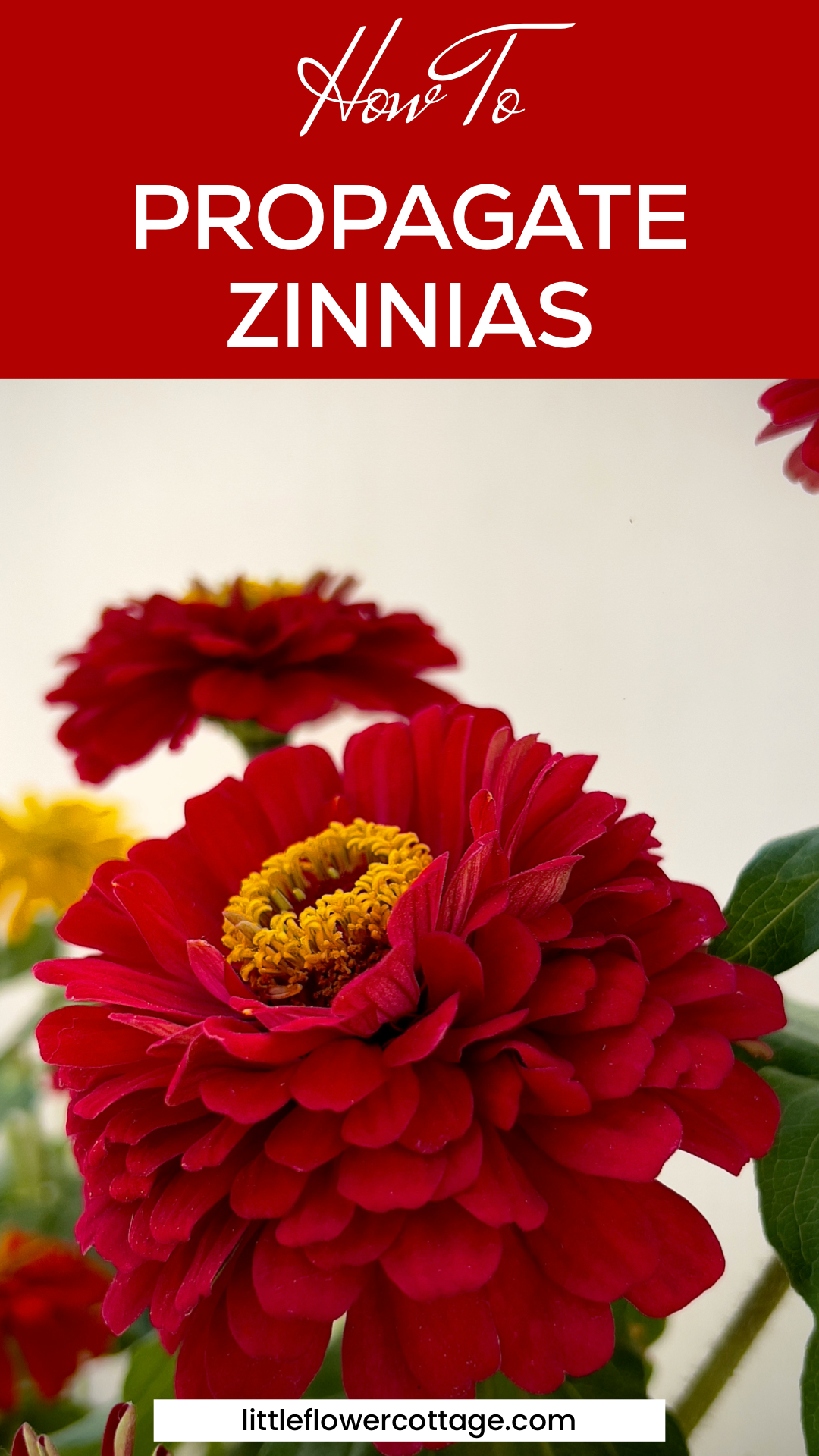
Zinnias are easy to grow, do well in most environments and look fantastic. They’re a favorite for good reason.
And on top of that propagating zinnias is really straightforward. You can do it both growing from seeds or from cuttings. So you can easily have a garden that’s full of zinnias all throughout the season.
This simple guide will take you through everything you need to know to propagate your zinnias. These easy steps will help you make sure you do things right and have the most chance of it working.
Getting Ready: Tools and Supplies
Before you start propagating it’s good to be as prepared as you can be. So go through this checklist of the essentials:
- Zinnia seeds (or plants if you’re taking cuttings)
- Seed trays or small pots
- Rooting hormone (for the cuttings)
- Good quality potting mix or seed starting mix
- Clean pruners or scissors
- Labels for keep track of the different varieties
- Compost or organic mulch
- Spray bottle (for watering the seedlings or cuttings)
Propagation by Seeds
Direct Sowing vs. Starting Indoors
Growing zinnias from seeds is definitely the simpler way to grow them. There are two ways you can do it though: direct sowing them into the ground and starting the seeds indoors.
Direct Sowing
- When to sow: You don’t want to be sowing the seeds in the frost. So wait until it has passed and the soil has warmed up getting to at least 60°F. This is will generally be in the late spring.
- How to sow: Get the soil ready by loosening it with a fork or tiller. Get rid of all the weeds too before you start. Scatter the seeds on the soil and cover them with about a quarter of an inch of soil.
- Watering: Water straightaway after you’ve shown the seeds. Although don’t go mad and overdo it with the water. A little is enough. Keep the soil moist until the seedlings emerge in what should be around 7 to 10 days.
Starting Seeds Indoors
- When to start: You should start sowing the seeds 4 to 6 weeks before the last frost date. Put the seed trays or pots somewhere that is bright and warm.
- Soil preparation: Use a good quality seed starting mix. And while the soil should be moist you don’t want it to be too wet.
- Light and heat: Put the seeds under grow lighter or near a window that gets sun. You might also want to use a heat mat so the slip stays warm enough (65 to 75°F). This will help speed up germination which usually happens within about 5 to 7 days.
Transplanting Seedlings
It doesn’t matter if you’re direct sowing your seeds or starting them indoors – at some point you will have to thin or transplant the seedlings to their permanent spot.
- Ideal timing: Transplant the seedlings when they have two sets of leaves and the temperatures at night are consistently higher than 50°F.
- Spacing: Space your seedlings roughly 6 to 18 inches apart from each other, although it does depend on the zinnia variety. This should be enough space for the air to flow which is important so fungus doesn’t grow and spread.
- Soil prep: Zinnias like slightly acidic to neutral soil (pH 5.5 to 7.5) so it’s a good idea to test your soil if you’re worried it might not be right. You can also mix compost in with the soil as it will make the drainage better.
Propagating Zinnias from Cuttings
Why Cuttings?
Cuttings are a great way to propagate zinnias if you want to get the exact same traits of your zinnia. So it could be the height, color etc. Doing it this way also skips the germination phase so it’s quicker to get to mature plants.
Step-by-Step Propagation by Cuttings
- Selecting Your Cuttings: Choose the healthiest stems from your zinnias that haven’t flowered yet. Cut the 4 to 6 inches of the stem just above the node of the leaf. The No doe is where the new roots will grow.
- Preparing the Cuttings: Get rid of the lower leaves from the cutting and keep only the top few. If you want you can put the cut end in rooting hormone as it can help to make the roots to grow quicker.
- Planting in Water or Soil: You can propagate zinnia cuttings either in water or directly in soil:
- Water: Put the cutting in a jar of water but don’t let the water cover any of the leaves. The jar should be kept somewhere warm that gets indirect light. Changer the water every 2 or 3 days as it will help with the growth and stop it stagnating.
- Soil: You can also plant your cutting in a small pot with potting mix. It doesn’t like direct sunlight though so put it somewhere that’s warm and gets a decent amount of light.
- Caring for the Cuttings: The roots should begin to form within a week regardless of the cutting being in water or soil. Once the cuttings have developed roots, which will be around 2 to 3 week, you can transplant them into your garden.
Care for Young Zinnias
Watering
Zinnias aren’t all that fussy about their watering but will do best when they get watered consistently. Especially when the weather is very dry.
Water at the base of your zinnia and try to give it about 1 inch of water a week. Don’t water from overhead as it can cause fungus to grow.
Fertilizing
While zinnias don’t need much in the way of feeding they do like a light bit of balanced fertilizer or some compost. You can give them this when you transplant then and then again in the mid season if you feel like they need it. If you give them too much though this can cause them to have a build up of nitrogen which will lead to more foliage growing rather than flowers, which you obviously don’t want.
Troubleshooting Common Problems
Powdery Mildew
Zinnias can get powdery mildew, more so in humid climates of if they’ve been planted too close to each other.
It’s easy to stop this happening though – just make sure they’re getting a good amount of air flowing around them. If powdery mildew does appear remove the leaf that’s affected and think about using a fungicide.
Pests
Zinnias can be hit by the likes of aphids or Japanese beetles. It’s best to keep checking them for these pests and pick the beetles off the leaves if you notice them. That should be good enough to keep your zinnia healthy. For aphids through you’ll probably have to use an insecticidal soap.
Maximizing Blooms
Deadheading
Removing the spent flowers is the best way to encourage more flowering. You can also pinch back the young plants when they reach about 12 inches tall. Doing so will also encourage branching which will give you even more flowers.
Staking Taller Varieties
Some zinnia varieties, mainly the taller ones, can need to be staked to stop them from falling over (especially when it’s windy). Bamboo stakes work well. Or something gentle that isn’t going to hurt them.
Harvesting and Saving Seeds
If you want to save any seeds for planting in the future then leave a few flowers on the plant to fully mature. When the heads have dried remove them and store the seeds somewhere cool and dry so they’ll be ready for the next season.
This is a simple and cheap way to enjoy zinnias every year.