
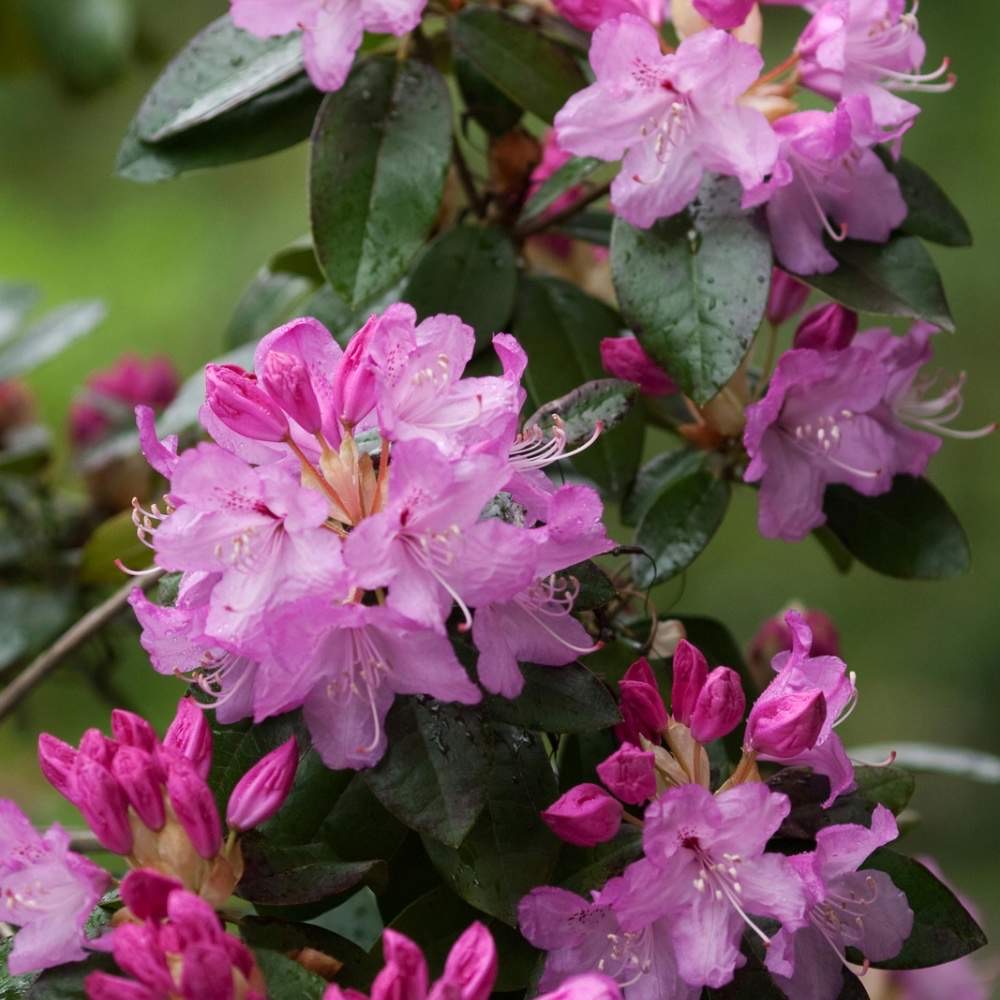
When I first brought home a pink rhododendron from the garden center years ago, I had no idea about the drama I was about to create in my backyard. After planting it right next to my favorite hydrangeas and watching both plants struggle miserably for two seasons, I learned something: rhododendrons are really particular about their garden companions.
So over the years I’ve made plenty of planting mistakes with my rhododendrons. And I’m sharing them here so you don’t have to repeat them.
Understanding Rhododendrons
Rhododendrons are native to woodland areas and thrive in dappled shade and acidic soil with a pH between 4.5-6.0. They have shallow, fibrous root systems that prefer consistently moist but well-drained soil rich in organic matter. What many gardeners don’t realize though is that rhododendrons are actually quite sensitive to competition for water and nutrients, especially from plants with aggressive root systems.
Plants to Avoid Planting with Rhododendrons
1. Black Walnut Trees
This is perhaps the most notorious rhododendron enemy. In fact one of the worst enemies for most plants flowers!
Black walnut trees produce juglone, a natural chemical that’s toxic to many plants, especially rhododendrons.
Even if the tree isn’t directly overhead, the roots can extend far beyond the canopy, releasing juglone into the soil.
2. Shallow-Rooted Trees
Maples, birches and other shallow-rooted trees compete directly with rhododendrons for water and nutrients in the upper soil layers. I planted a Japanese maple only 10 feet from my rhododendron bed three years ago, and I’ve watched with dismay as my rhodies have become increasingly stressed each year as the maple’s root system expands.

3. Aggressive Grasses
Lawn grasses, especially creeping varieties like Bermuda grass, can quickly invade rhododendron beds and compete for valuable resources. Their dense, fibrous root systems are particularly problematic for rhododendrons’ shallow roots. I’ve spent countless hours trying to remove grass that invaded from my lawn edge and it’s a never-ending battle.
4. Mint Family Plants
Mint, oregano and other members of the mint family have invasive spreading tendencies that can quickly overwhelm rhododendrons. I’ve seen seemingly innocent mint plants escaped their containers and wreak havoc in gardens.
5. Deep-Rooted Perennials
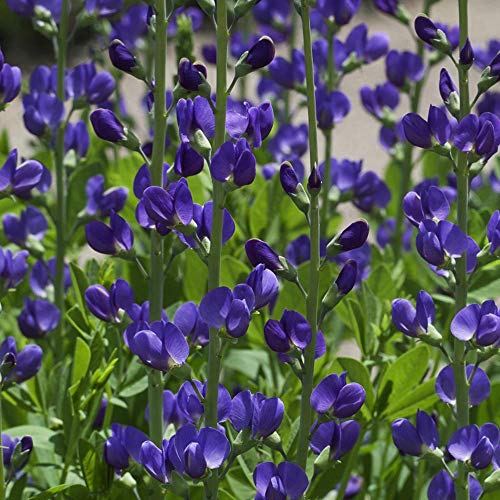
Plants with taproots, like butterfly weed or baptisia, can disrupt the delicate root systems of rhododendrons when planted too close. What’s worse, if you ever need to move or divide these plants, the disturbance can severely damage nearby rhododendron roots.
6. Alkaline-Loving Plants

Plants that prefer alkaline soil, such as lilacs, clematis or delphiniums, create a fundamental soil incompatibility with acid-loving rhododendrons. When I tried to amend soil for my clematis near my rhododendrons, the lime I added caused the rhododendron leaves to develop chlorosis (yellowing between the veins) – a clear sign of unhappiness.
7. Plants That Require Regular Feeding
Roses and other heavy feeders that need frequent fertilizing can cause problems for rhododendrons, which prefer lean feeding schedules. The fertilizer intended for neighboring plants can throw off the delicate nutrient balance rhododendrons prefer.

8. Bamboo
Any variety of running bamboo is a nightmare near rhododendrons. Its aggressive growth habit and dense root system will quickly overtake and strangle rhododendron roots.
9. English Ivy
While it might seem like a good ground cover choice, English ivy’s aggressive nature makes it a poor companion for rhododendrons. It can climb the trunks and weigh down branches, and its roots compete for water and nutrients. What started as a small patch from a garden center clearance sale turned into a monster that nearly engulfed a young rhododendron before I intervened.
10. Eucalyptus
These trees produce allelopathic compounds that inhibit the growth of many plants, including rhododendrons. Additionally, eucalyptus trees are notorious water hogs, further stressing rhododendrons.
11. Wisteria
The aggressive vine growth of wisteria can quickly overtake shrubs, including rhododendrons. Its twining stems can girdle branches, and its vigorous root system competes for resources.
12. Cypress and Cedar Trees
These conifers create dense shade and drop needles that can alter soil pH in ways that aren’t ideal for rhododendrons. Additionally, their thirsty roots can draw moisture away from nearby shrubs.
Good Companion Plants for Rhododendrons
Not all plants are problematic neighbors. Here are some that I’ve found work beautifully with rhododendrons:
- Azaleas: These close relatives share similar soil and light requirements
- Japanese Maples (when given proper spacing): Their dappled shade can benefit rhododendrons
- Ferns: Woodland varieties like maidenhair or Japanese painted ferns make excellent understory plants
- Hostas: Their shallow roots don’t compete aggressively, and they enjoy similar light conditions
- Bleeding Hearts: These spring bloomers complement rhododendron flowering times and prefer similar conditions
- Hellebores: These tough perennials thrive in the same conditions as rhododendrons
Tips for Successful Companion Planting
Through years of trial and error, I’ve developed these guidelines for successfully integrating rhododendrons into mixed plantings:
Maintain Proper Soil pH
Regularly test and amend your soil to maintain the acidic conditions rhododendrons need. I use soil acidifiers and pine needle mulch to help maintain the proper pH balance. My garden journal shows that when I’ve been diligent about soil testing (twice yearly), my rhododendrons reward me with better growth and more prolific blooming.
Create Physical Barriers
To protect rhododendrons from aggressive neighbors, install root barriers or plant in raised beds. The 24-inch deep barrier I installed between my lawn and rhododendron bed has significantly reduced grass invasion and made maintenance much easier.
Choose Companions with Similar Water Needs
Group plants that prefer evenly moist conditions rather than those requiring either very dry or very wet soil. My most successful rhododendron bed includes companions like astilbes and Japanese forest grass, all of which enjoy similar moisture conditions.
Use Caution When Planting
Avoid disturbing established rhododendron roots when adding new plants to the area. I’ve found that carefully working between existing root systems and minimizing soil disturbance leads to much less transplant shock and stress for my rhododendrons.
Consider Mature Size
Allow adequate spacing based on the mature size of both the rhododendrons and companion plants. When I first started gardening, I planted everything too close together, creating unnecessary competition. Now I space plants with their mature size in mind, even if it means the garden looks a bit sparse for the first couple of years.
Final Thoughts
Dont forget that gardening is always a process of learning and adapting. What works in a Zone 6b garden will need some adjustment in your specific climate and conditions. Pay attention to how your rhododendrons respond to their companions and be willing to make changes if you notice signs of stress.
The effort you put into selecting appropriate companion plants for your rhododendrons will pay dividends in reduced maintenance. And there’s nothing quite like the sight of a healthy, flowering rhododendron in spring to make all that careful planning worthwhile.
