

I’ve been gardening for well, longer than I care to admit. And if there’s one thing I’ve learned the hard way, it’s that petunias can be downright finicky about their neighbors.
One time I planted some gorgeous Wave petunias right next to my geraniums, thinking they’d make a beautiful color combination. Two weeks later my petunias were struggling while the geraniums thrived.
So let me share what NOT to plant with your petunias if you want them to flourish rather than flounder.
Understanding Petunias
Petunias are gorgeous and come in practically every color except true blue. They’re popular for good reason – they bloom like crazy from spring until frost and work in everything from hanging baskets to border gardens.
But petunias are actually somewhat particular about their growing conditions and companions. They have specific needs when it comes to water, sunlight and nutrients, and not every plant plays nicely with them.
In my experience petunias thrive when they get full sun (at least 6 hours daily), consistent moisture without being waterlogged, and regular feeding. They’re heavy feeders and will quickly deplete the soil of nutrients if you don’t keep up with fertilizing.
The real trouble starts when you pair petunias with plants that either compete too aggressively for these resources or create growing conditions that petunias hate. I’ve seen stunning petunia displays turn scraggly and sad in just weeks when paired with the wrong neighbors.
So here’s how you avoid that from happening.
13 Plants Not to Plant with Petunias
1. Geraniums

I mentioned my geranium disaster earlier, and there’s a reason it happened. Geraniums and petunias have completely different watering needs. Geraniums prefer to dry out between waterings, while petunias need consistent moisture. When planted together, one will always suffer – usually the petunias.
Plus, geraniums release substances from their roots that can actually inhibit the growth of neighboring plants. I noticed my petunias growing alongside geraniums had fewer blooms and looked generally stressed compared to those planted elsewhere.
2. Marigolds
Marigolds are often recommended as companion plants for vegetables but they don’t play well with petunias. They compete for the same nutrients, and marigolds tend to win this battle.
I’ve also noticed that the strong scent of marigolds (which is great for repelling some garden pests) seems to attract the same white butterflies that lay eggs which turn into caterpillars that love munching on petunia leaves. I’ve seen petunias planted near marigolds have noticeably more leaf damage than those planted elsewhere.

3. Morning Glories

Morning glories are vigorous climbers that will quickly overtake petunias if given the chance. They grow rapidly and can shade out your sun-loving petunias before you know it.
Morning glories also compete aggressively for water and nutrients. I once planted them near my petunia border, thinking the vertical element would complement the mounding petunias. Not a good idea. The morning glories thrived while my petunias struggled to produce half their normal flowers.
4. Mint and Other Aggressive Herbs
Never, ever plant mint anywhere near petunias unless you want the mint to take over completely. Mint’s aggressive underground runners will quickly invade the petunia’s root space, stealing water and nutrients.
This goes for other spreading herbs too, like oregano and some thymes. They might start out looking like compatible companions, but the herbs will eventually choke out your petunias.
5. Sunflowers
Sunflowers make terrible neighbors for petunias for multiple reasons. First, they grow quite tall and will shade your sun-loving petunias. Second, sunflowers are allelopathic, meaning they release chemicals into the soil that inhibit the growth of other plants.
I once planted petunias around young sunflowers, thinking the petunias would create a nice ground cover until the sunflowers matured. By mid-summer the petunias closest to the sunflowers were noticeably smaller and produced fewer blooms than those planted farther away.
6. Fennel
This might seem like an odd pairing to begin with, but if you’re creating a mixed garden with vegetables, flowers and herbs, keep fennel far away from your petunias. Fennel is known to inhibit the growth of many plants around it.
7. Black Walnut Trees
If you have black walnut trees in your yard, don’t plant petunias anywhere near them. Black walnut trees produce juglone, a compound toxic to many plants, including petunias. Even the soil several feet beyond the tree’s drip line can contain enough juglone to harm petunias.
8. Tomatoes
This might surprise some gardeners but tomatoes and petunias don’t make good companions despite being relatives in the nightshade family. Tomatoes are heavy feeders that will compete with petunias for nutrients. They also grow much larger and can shade out petunias as the season progresses.
Additionally, growing them together increases the risk of disease spread since they’re susceptible to many of the same pests and diseases.
9. Most Vegetables
As a general rule most vegetables don’t companion plant well with petunias because they have different care requirements. Vegetables typically need consistent watering and rich soil, which can lead to overwatered petunias or competition for nutrients.
The one exception might be peppers, which seem to do okay with petunias in my experience. But for most veggies it’s best to keep them in their own beds away from your ornamental petunias.
10. Garlic and Onions
Alliums like garlic and onions release compounds that can stunt the growth of some flowering plants, including petunias. While the science isn’t entirely clear on why this happens, I’ve observed that petunias planted near my garlic patch definitely underperformed.
If you want to grow both make sure to give them plenty of space in separate garden areas.
11. Moss Roses (Portulaca)

Moss roses are drought-tolerant succulents that prefer dry conditions between waterings. This growing preference directly conflicts with petunias’ need for consistent moisture.
12. Asters
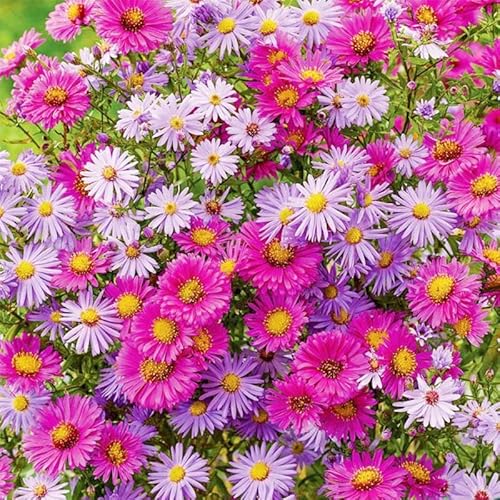
Asters and petunias bloom at different times (asters are late-season bloomers while petunias go all summer), which sounds complementary, but they actually compete for resources throughout the growing season.
Additionally asters are more susceptible to powdery mildew, which can spread to your petunias when they’re planted too close together. I’ve found it’s better to keep these flowers in separate areas of the garden.
13. Aggressively Spreading Ground Covers
Ground covers like vinca, pachysandra, and creeping Jenny will compete with and eventually overwhelm petunias if planted together. The ground covers’ spreading nature means they’ll quickly invade the petunias’ space.
I once underestimated how quickly my creeping Jenny would spread in a mixed border. Within weeks it was sending runners into my petunia patch, and by mid-summer it had nearly choked them out entirely.
Good Companion Plants for Petunias
Now that we know what not to plant with petunias, what DOES work well? In my experience these companions have worked well with my petunias:
- Calibrachoa (Million Bells) – These mini-petunia lookalikes have very similar care requirements
- Verbena – Especially trailing varieties in containers
- Sweet Alyssum – Creates a beautiful carpet beneath mounding petunias
- Dusty Miller – The silvery foliage provides excellent contrast
- Angelonia – Similar water and sun requirements
- Lantana – Works especially well in hot climates
My favorite combination last year was purple wave petunias with white sweet alyssum and silver dusty miller. The color contrast was stunning and all three plants thrived together in my front border.
Tips for Successful Companion Planting
These are some of my top tips for successfully companion planting with petunias:
1. Group Plants with Similar Needs
This seems obvious but it’s the most common mistake gardeners make. Petunias need full sun and consistent moisture. Don’t pair them with drought-tolerant plants or shade lovers.
2. Consider Growth Habits
Choose companions that won’t overshadow or crowd out your petunias. I prefer to mix trailing petunias with more upright companions, or mounding petunias with low-growing neighbors.
3. Feed Regularly
Petunias are heavy feeders, and competition from companions makes proper nutrition even more important. I feed my petunias every 2-3 weeks with a bloom-boosting fertilizer to keep them flowering abundantly.
4. Monitor for Signs of Stress
Keep an eye out for the first signs of trouble – yellowing leaves, reduced flowering, or stunted growth often indicate that companion plants aren’t getting along. Be ready to separate plants if necessary.
5. Try Container Combinations First
If you’re unsure about a potential companion, test it in a container before committing to a garden bed. Containers make it easier to monitor how plants interact in close quarters.
Final Thoughts
Petunias are worth the extra planning when it comes to companion planting. When given the right neighbors they’ll give you with months of colorful blooms that make any garden space look incredible.
Keep them away from aggressive spreaders, plants with vastly different water needs and anything that will overshadow their sun-loving nature.
