
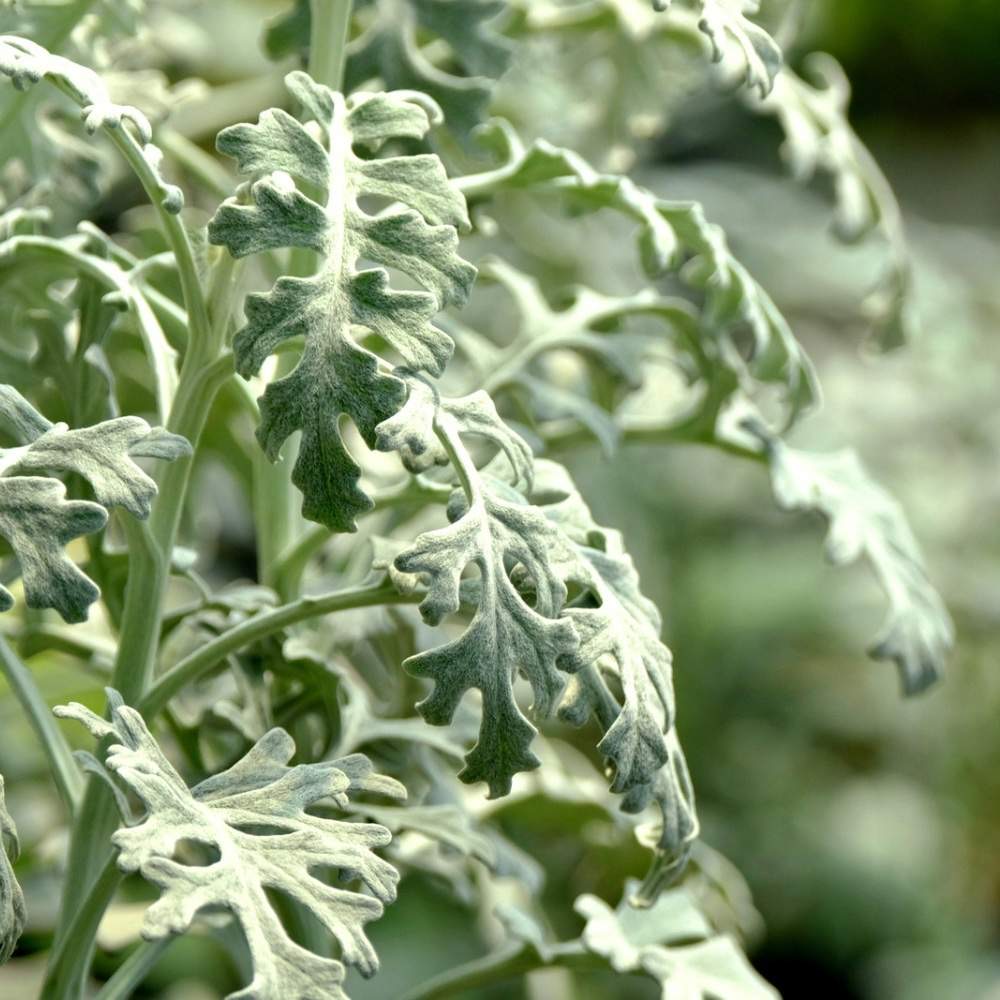
Dusty Miller, also known as Silver Ragwort, can be great to grow. But like so many plants it has some neighbors is doesn’t get along with.
Some plants just clash, and you end up with a sad-looking garden. So I’m going to go through the main plants you should avoid planting with your Dusty Miller.
Understanding Dusty Miller
Dusty miller is a real showstopper. It adds a cool, calming vibe to any garden. But it’s not just a pretty face; it’s a survivor, too.
It thrives in well-drained soil & loves a good dose of sunshine. But it’s not exactly a team player. It’s got its own needs, and if those aren’t met, it’ll sulk, and frankly, look pretty miserable.
I remember once I stuck it next to some plants that loved soggy soil. Which was a mistake. The dusty miller looked like it was trying to escape, its leaves turning a weird, mottled color. Turns out too much moisture is a big no-no.
Dusty miller’s unique needs mean it can’t just be thrown in with any old plant. It’s a bit like that friend who’s super picky about their coffee – you’ve got to get it just right, or they’ll give you the side-eye. And in the garden, that side-eye translates to stunted growth and a general lack of pizzazz.
Plants NOT to Plant with Dusty Miller
Alright, these are some plants you should really think twice about planting next to your dusty miller.
Plants that Love Soggy Soil
So ferns, hostas and anything that thrives in consistently moist conditions. Dusty miller, on the other hand, absolutely hates wet feet. Planting them together is a recipe for disaster.
The constant moisture creates an environment where root rot thrives, slowly suffocating the dusty miller’s roots. It’s like trying to keep a desert cactus in a swamp; it’s simply not going to survive. You’ll end up with a droopy, discolored dusty miller that’s fighting a losing battle against the excess moisture.
Vigorous, Invasive Growers
Plants like mint or certain types of ivy are notorious for their aggressive growth. They’ll quickly outcompete dusty miller for essential resources like space, nutrients and even sunlight.
Before you know it your dusty miller will be overshadowed and struggling to survive. I’ve personally watched mint take over an entire garden bed, choking out everything in its path. It’s like trying to grow a delicate flower in a jungle; the aggressive plants will always win.
Plants that Demand Rich, Fertile Soil

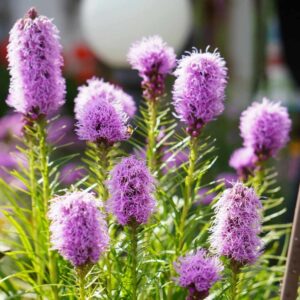
Dusty miller prefers lean, well-drained soil. If you plant it next to heavy feeders like tomatoes or roses, you’ll inevitably end up over-fertilizing it. This can lead to leggy, weak growth and a significant reduction in the dusty miller’s signature silver color.
The excess nutrients encourage the plant to grow too quickly, making it more susceptible to disease and less hardy overall.
Shade-Loving Plants
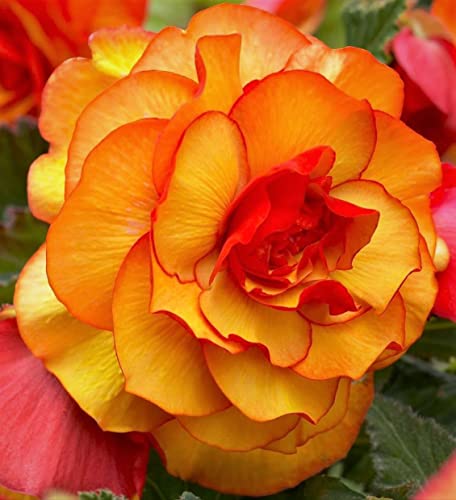
Dusty miller needs a lot of sun to thrive. Pairing it with shade-loving plants like impatiens or begonias is a recipe for competition and failure. They’ll be constantly vying for sunlight, leading to stressed and weakened plants on both sides.
The dusty miller will become leggy and lose its vibrant silver hue, while the shade-loving plants may not get enough light to flower properly.
Plants that Cast Dense Shade
Large shrubs or trees that cast dense shade create an environment that’s simply too dark for dusty miller. Even a little too much shade can cause the dusty miller to become leggy and lose its lovely silver hue. The plant needs access to direct sunlight to maintain its color and compact growth.
Plants with High Water Needs
Plants that need daily watering, like some varieties of petunias or certain vegetables, create a perpetually moist environment that dusty miller cannot tolerate.
Dusty miller is naturally drought-tolerant and prefers dry conditions. The constant watering will lead to root rot and other moisture-related problems. I once planted some petunias next to my dusty miller and the constant watering required for the petunias killed the dusty miller within weeks. It was a sad, soggy mess.
Plants that Change Soil pH
Plants like blueberries that acidify the soil create an unsuitable environment for dusty miller, which prefers neutral to slightly alkaline conditions. The altered pH can interfere with the dusty miller’s ability to absorb nutrients, leading to stunted growth and poor health.
Plants with Aggressive Root Systems
Plants like certain types of bamboo have roots that spread rapidly and aggressively, quickly overwhelming the root system of dusty miller. Your dusty miller will be constantly fighting for root space, leading to stunted growth and poor health.
Plants that Attract Pests Dusty Miller Dislikes
Some plants are magnets for pests like aphids, which can then easily spread to your dusty miller. This creates a constant battle against pests, weakening your dusty miller and making it more susceptible to disease.
Plants that are Tall and Overpowering
Tall flowers or plants that shade out the dusty miller will significantly hinder its growth. Dusty miller needs access to sunlight and good air circulation to thrive.
Being overshadowed by taller plants deprives it of these essential elements, leading to leggy growth and a loss of its characteristic silver color. Imagine trying to grow a small, sun-loving plant under a large, dense tree; it will not get the light it needs.
Plants that are Prone to Fungal Diseases
Dusty miller can be susceptible to fungal issues, especially in damp environments. Planting it with plants that are also prone to fungal diseases creates a high-risk situation.
The shared susceptibility increases the likelihood of fungal outbreaks, which can quickly spread and devastate both plants.
Plants that Need Regular Pruning
Plants that require frequent pruning & deadheading can disrupt the dusty miller’s growth if you’re not careful. The constant disturbance and potential root damage from pruning can stress the dusty miller, making it more vulnerable to disease and hindering its growth.
Plants that are Very Fast-Growing
Fast-growing plants can quickly overshadow and outcompete the dusty miller for resources. They can also create a dense canopy that reduces airflow, which can lead to fungal problems for the dusty miller. The fast growing plants steal the light and nutrients, and the dusty miller will suffer.
Good Companion Plants for Dusty Miller
There are plenty of plants that play nice with dusty miller though. Think about plants that share its love for sun and well-drained soil. Some good examples are:
- Lavender: They both love sun and dry conditions, and the contrast between the purple flowers and silver leaves is stunning.
- Sedum: Another sun-loving, drought-tolerant plant that complements dusty miller beautifully.
- Gazania: These colorful daisies thrive in similar conditions and add a pop of color.
- Yarrow: Yarrow’s feathery leaves and bright flowers are a perfect match for dusty miller’s cool tones.
Tips for Successful Companion Planting
Here are a few nuggets of wisdom I’ve picked up along the way:
- Know Your Plants: Do a little research. Understand each plant’s needs before you pair them up.
- Space Matters: Give each plant enough room to grow. Don’t cram them in; it’s a recipe for disaster.
- Soil is Key: Make sure the soil is well-drained. Dusty miller will thank you for it.
- Sunlight: Ensure that all the plants get enough sunlight.
Final Thoughts
Regardless of experience or knowledge you’re still gonna make mistakes, and that’s okay. I’ve made my fair share. But knowing what not to plant with dusty miller can save you a lot of heartache.
It’s all about creating an environment where everyone thrives. And when you get it right? It’s pure magic.
So, go out there, experiment, and don’t be afraid to get your hands dirty. Just remember, dusty miller has its own personality, and it’s up to you to respect that.
