
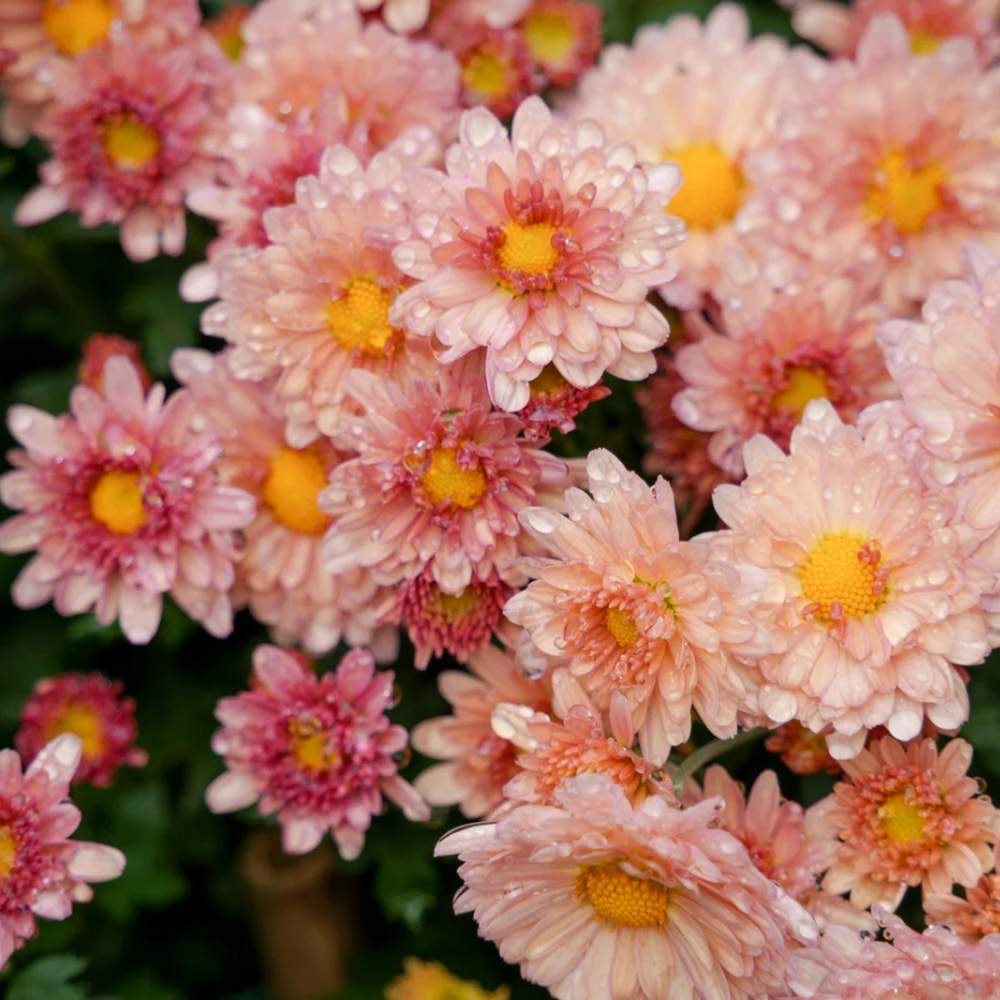
I’ve been growing chrysanthemums for over a decade now, and they can be pretty particular about their neighbors they tolerate. I’ve killed more plants than I’d like to admit (and watching several prized mum varieties struggle) so have learned which plants make terrible companions for chrysanthemums the hard way.
If you’re planning to add these colorful autumn stars to your garden, you’ll want to know what NOT to plant nearby. In the long run this will save you so much frustration later on.
Understanding Chrysanthemums
Chrysanthemums (or just “mums” as most of us call them) are the quintessential fall flower. With such a beautiful array of colors and shapes they bring that perfect pop of color when the rest of the garden starts fading. I remember my grandmother’s garden absolutely packed with them – oranges, yellows, deep burgundies all bobbing in the autumn breeze. Just lovely.
But here’s the thing about mums – they’re not exactly the most easy-going plants in the garden. They have specific needs when it comes to sun exposure (they love full sun), soil conditions (they need good drainage), and space (those roots spread out more than you’d think). Plus they’re susceptible to certain diseases and pests that can transfer from neighboring plants.
My first big mum disaster happened when I planted them with some aggressive mint. Within a month my beautiful ‘Clara Curtis’ pink mums were completely choked out. That’s when I started paying a lot more attention to what should and shouldn’t go near my chrysanthemums.
Getting companion planting wrong with mums can lead to:
- Stunted growth and fewer blooms
- Increased disease issues
- Competition for nutrients
- Root system damage
- Pest problems
Ok, so let’s get into the plants you should keep away from your prized chrysanthemums.
12 Plants Not to Plant with Chrysanthemums
1. Mint and Other Aggressive Herbs
This was my first mum-companion disaster, as I talked about earlier. Mint might smell heavenly but its aggressive roots will absolutely take over and strangle your chrysanthemums. Same goes for other spreading herbs like oregano and marjoram.
Why They Clash: Mint has invasive underground rhizomes that will quickly overtake the root space chrysanthemums need. I once planted spearmint about 2 feet from my chrysanthemums, thinking that was plenty of space. Within one season the mint had sent runners right into the mum’s territory, and my poor flowers were struggling to compete for water and nutrients.
Extra tip: If you absolutely must have mint near your garden, always plant it in containers that can be sunk into the ground to contain those runners.
2. Tomatoes
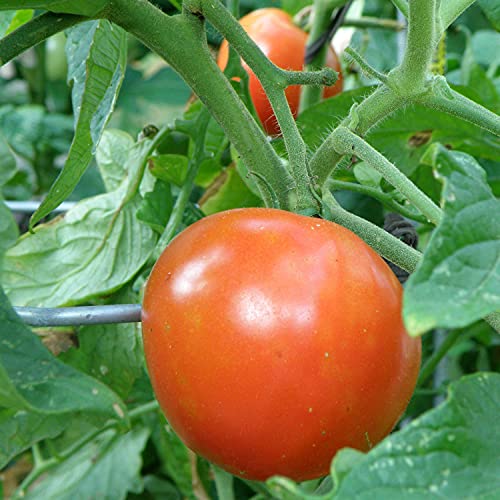
I learned this one after noticing my mums never seemed to thrive when planted near my tomato patch. Turns out there’s a good reason.
Why They Clash: Tomatoes and chrysanthemums are both susceptible to verticillium wilt, a soil-borne fungal disease. When planted together they can easily pass this disease back and forth. Plus tomatoes are heavy feeders that can deplete soil nutrients your mums need.
My garden journal from 2019 noted: “Chrysanthemums planted by tomato bed showing yellowing leaves and stunted growth. Moving them next season.” I did, and the difference was remarkable.
3. Potatoes

Similar to tomatoes, potatoes make poor neighbors for your mums.
Why They Clash: Potatoes and chrysanthemums can share several diseases, including verticillium wilt and various viruses. Additionally, as potatoes grow and then are harvested, the soil disturbance can damage chrysanthemum roots.
4. Sunflowers
They may both be members of the daisy family but sunflowers and chrysanthemums shouldn’t share garden space.
Why They Clash: Sunflowers release chemicals into the soil that inhibit the growth of certain other plants (this is called allelopathy). While they won’t completely prevent chrysanthemums from growing, they can definitely stunt them. On top of that tall sunflowers can block the full sun that mums crave.
5. Marigolds
You’d think these fall flowers would get along but they actually compete too much.
Why They Clash: Both marigolds and chrysanthemums are in the same plant family (Asteraceae) and tend to attract the same pests. When planted together, they can create a pest hotspot in your garden. Both also have similar nutritional needs so they end up competing for the same resources.
I noticed this when I created what I thought would be a gorgeous fall display of marigolds surrounded by mums. Both plants ended up smaller than when grown separately and they seemed to attract every aphid in the neighborhood!
6. Fennel
Fennel may look airy and innocuous but it’s actually one of the worst companions for many plants, including chrysanthemums.
Why They Clash: Fennel is strongly allelopathic, meaning it releases chemicals that inhibit the growth of neighboring plants.
7. Black Walnut Trees
This might seem obvious since black walnut trees are famously bad neighbors, but it’s worth mentioning.
Why They Clash: Black walnut trees release juglone, a chemical toxic to many plants including chrysanthemums. The toxin is present in all parts of the tree, but especially the roots, nut hulls, and leaves. Even if you plant mums far from the trunk the tree’s root system can still affect them.
Extra tip: Be aware that juglone can remain in soil even after a black walnut tree has been removed, so check the history of your garden space.
8. Gladiolus
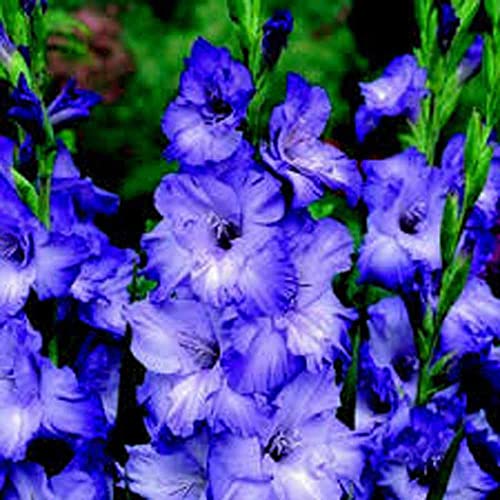
These might seem like they’d make good companions since they bloom at different times but they’re not great neighbors for mums.
Why They Clash: Gladiolus can harbor thrips that will happily move over to feast on your chrysanthemums as well. And both plants compete for the same nutrients during key growth periods.

9. Sage
Another herb that looks innocent but can cause problems for your mums.
Why They Clash: Sage prefers drier conditions than chrysanthemums, creating a watering conflict. What’s enough water for your mums might rot sage’s roots and what’s appropriate for sage might leave your mums thirsty. Also sage’s strong aromatic oils can sometimes deter the beneficial insects that help pollinate chrysanthemums.
10. Rue
This old-fashioned herb isn’t commonly planted these days but if you’re into historical gardens, avoid planting it near chrysanthemums.
Why They Clash: Rue secretes chemicals into the soil that can stunt the growth of many plants, including chrysanthemums. It’s another case of allelopathy in the garden.
11. Brassicas (Cabbage, Broccoli, Kale)
Your fall vegetable garden crops aren’t great companions for fall-blooming mums.
Why They Clash: These vegetables attract cabbage worms and cabbage loopers which can also feed on chrysanthemum foliage. Additionally, many brassicas are heavy feeders that compete with mums for nutrients.
12. Strawberries
Last summer I thought I’d cleverly use chrysanthemums as a border for my strawberry patch. Yeah, that was a mistake.
Why They Clash: Both plants spread—strawberries with runners and chrysanthemums by getting larger at the base—causing them to quickly become entangled. Both are susceptible to verticillium wilt, potentially spreading disease between them too.
Good Companion Plants for Chrysanthemums
So, what plants should you plant with chrysanthemums. Here are some companions that help your mums thrive:
Asters
These fall-blooming perennials have similar care requirements and bloom at the same time, creating a spectacular autumn display. The different flower shapes complement each other nicely.
Ornamental Grasses
Grasses like fountain grass or switchgrass make excellent backdrop companions. They don’t compete heavily for nutrients and provide a textural contrast that makes chrysanthemum blooms stand out even more.
Spring-Flowering Bulbs
Since these bloom and then go dormant before mums really get growing, they make great companions. Try daffodils, tulips and crocuses in the same beds as your chrysanthemums for year-round interest.
Coreopsis
These summer-blooming perennials will be finishing up just as your mums start to shine. They have similar sun and soil requirements without competing too heavily.
Sedum
Fall-blooming sedums like ‘Autumn Joy’ pair beautifully with chrysanthemums. Their different flower forms complement each other and they have similar water and sun needs.
Tips for Successful Companion Planting with Chrysanthemums
Now that you know what not to plant (and what works well) with your mums here are a few tips to guarantee success:
1. Give Them Space
Chrysanthemums need good air circulation to prevent powdery mildew and other fungal issues. I plant mine about 18-24 inches apart, depending on the variety.
2. Consider Height Differences
Plant taller companions to the north of your chrysanthemums so they don’t shade these sun-loving plants. I made this mistake once with tall zinnias that ended up shading my mums, resulting in leggy plants with fewer flowers.
3. Stagger Blooming Times
For continuous garden interest, pair early-blooming plants with mid-to-late season chrysanthemums. My garden is never without color because I’ve carefully planned these bloom time transitions.
4. Group Plants with Similar Water Needs
Chrysanthemums prefer consistent moisture. Partner them with plants that have similar watering requirements to make garden maintenance easier.
5. Cultivate Diversity
Have a variety of plant families to avoid concentration of family-specific pests and diseases. A mixed planting is more resilient than a monoculture.
Final Thoughts
Don’t forget that gardening is always partly experimentation. What works in a Zone 6 garden might be slightly different in your growing conditions. Keep a garden journal to track your successes and failures – I wish I’d started mine sooner!
The main takeaway? Keep aggressive spreaders, plants that harbor similar diseases and those with allelopathic properties away from your chrysanthemums. Give them full sun, good drainage and appropriate companions, and they’ll reward you with a stunning fall display when most other flowers have faded.
And if you’ve already made some of these companion planting mistakes – don’t worry. Chrysanthemums are fairly forgiving and can be divided and moved to better locations every few years. That’s how I’ve gradually optimized my garden design, learning from each season’s successes and failures.
