
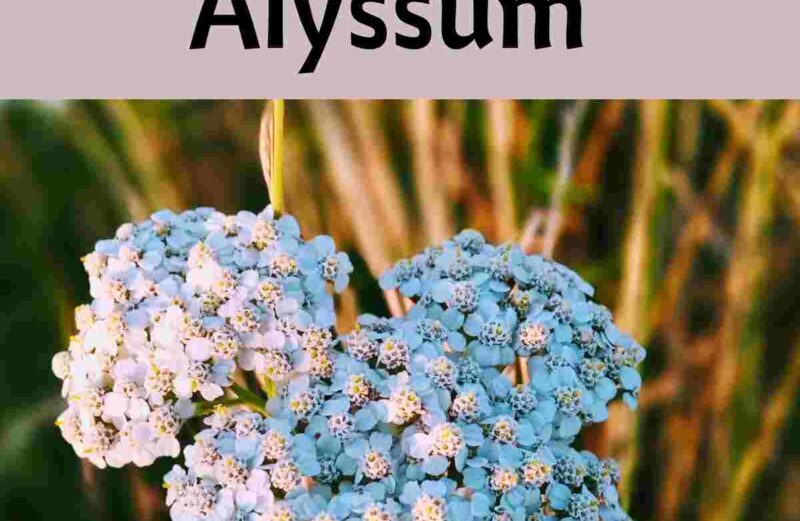
Alyssum is a great flower. It’s hardy, easy to grow and makes for a beautiful ground cover. So no surprise it’s so popular.
But not all plants make good neighbors for alyssum. Some can compete for resources, attract pests or just don’t play well together.
So you’ll want to avoid those plants if you’re growing alyssum. The following list will go through plants that you should keep away from your lovely alyssum and why.
Why Compatibility Matters in the Garden
In gardening it’s super important to think about plant compatibility. Why? Because some plants support each other, share their resources and keep away pests.
But others can do the opposite – affect the growth of their neighbors, steal nutrients or attract insects that will do them harm.
That’s why you have to understand and know which plants go together and which don’t. It can make the difference between a garden that’s successful and one that struggles.
So lets look at those that you should avoid planting with your alyssum.
1. Broccoli
Broccoli and alyssum might seem like a good match but they compete for the same nutrients. This will usually lead to both underperforming or simply not growing at all.
Why Broccoli is a Problem
Nutrient Competition: Both broccoli and alyssum are heavy feeders. They particularly need nitrogen. Planting them together means they will compete for the same nutrients and the result is both plants struggle to get what they need.
Pest Attraction: Broccoli attracts pests like aphids and cabbage worms. These can damage broccoli and also spread to alyssum which will cause even more problems.

2. Marigolds
Marigolds are known for keeping pests away. Which makes them a popular and good choice for gardens. But they can be too competitive for planting with alyssum.
Why Marigolds are a Problem:
Nutrient Competition: Marigolds are heavy feeders and can compete with alyssum for the nutrients they need, nitrogen again being the most sought after. This will leave your alyssum struggling to get the nutrients it needs.
Thick Foliage: Marigolds have thick leaves and this will overshadow alyssum, meaning it doesn’t get enough sunlight and will grow less (and even die).
3. Tomatoes
Tomatoes need a lot of space and lots of nutrients. Again, when planted with alyssum they will often outcompete them and it ends up with the alyssum being deprived of what it needs.
Why Tomatoes are a Problem
Nutrients: Tomatoes require a lot of nutrients, especially phosphorus and potassium. They drain the soil making it hard for alyssum to thrive.
Pest Issues: Tomatoes attract pests like aphids and whiteflies. These pests can easily spread to alyssum and do them real damage.
4. Petunias
Petunias would on the face of it seem like a good companion. Lots of bright colors together seems like a good match. But they often compete with alyssum for space and nutrients.
Why Petunias are a Problem:
Nutrients: Petunias are another flower that needs a lot of nutrients, especially phosphorus and potassium. This will deplete the soil, making it hard for alyssum to thrive.
Pest Issues: Petunias can attract pests like aphids and whiteflies. And again they will spread to your alyssum.

5. Fennel
Fennel is notorious for being a terrible companion plant for most plants and flowers. And alyssum is no exception.
Why Fennel is a Problem:
Allelopathic Effects: Fennel releases compounds into the soil that can stop the growth of nearby plants, including alyssum. Your alyssum will struggle to grow and be stunted.
Space Competition: Fennel grows large and will overshadow smaller plants like alyssum. This deprives them of both space and the light they need.
6. Roses
Roses may be beautiful but they’re also pretty demanding neighbors. They need large amounts of nutrient and they atrract a ton of pests.
Why Roses are a Problem:
Nutrient Requirements: Roses are heavy feeders that need a lot of nutrients, particularly nitrogen and potassium. This will leave the soil depleted of those, which alyssum also needs, and so makes it hard for your alyssum to thrive.
Pest Attraction: Roses attract pests such as aphids, spider mites and Japanese beetles. These pests can spread to alyssum and cause them a lot of problems.
7. Corn
Corn is a heavy feeder and requires a lot of nutrients and will leave alyssum struggling.
Why Corn is a Problem:
Nutrient Competition: Corn’s big need for nutrients, especially for nitrogen, means it competes aggressively with alyssum. It’s that competition that results in poor growth for alyssum.
Shade: Corn grows tall and can overshadow alyssum. This limits the amount of sunlight it receives and affect its growth.
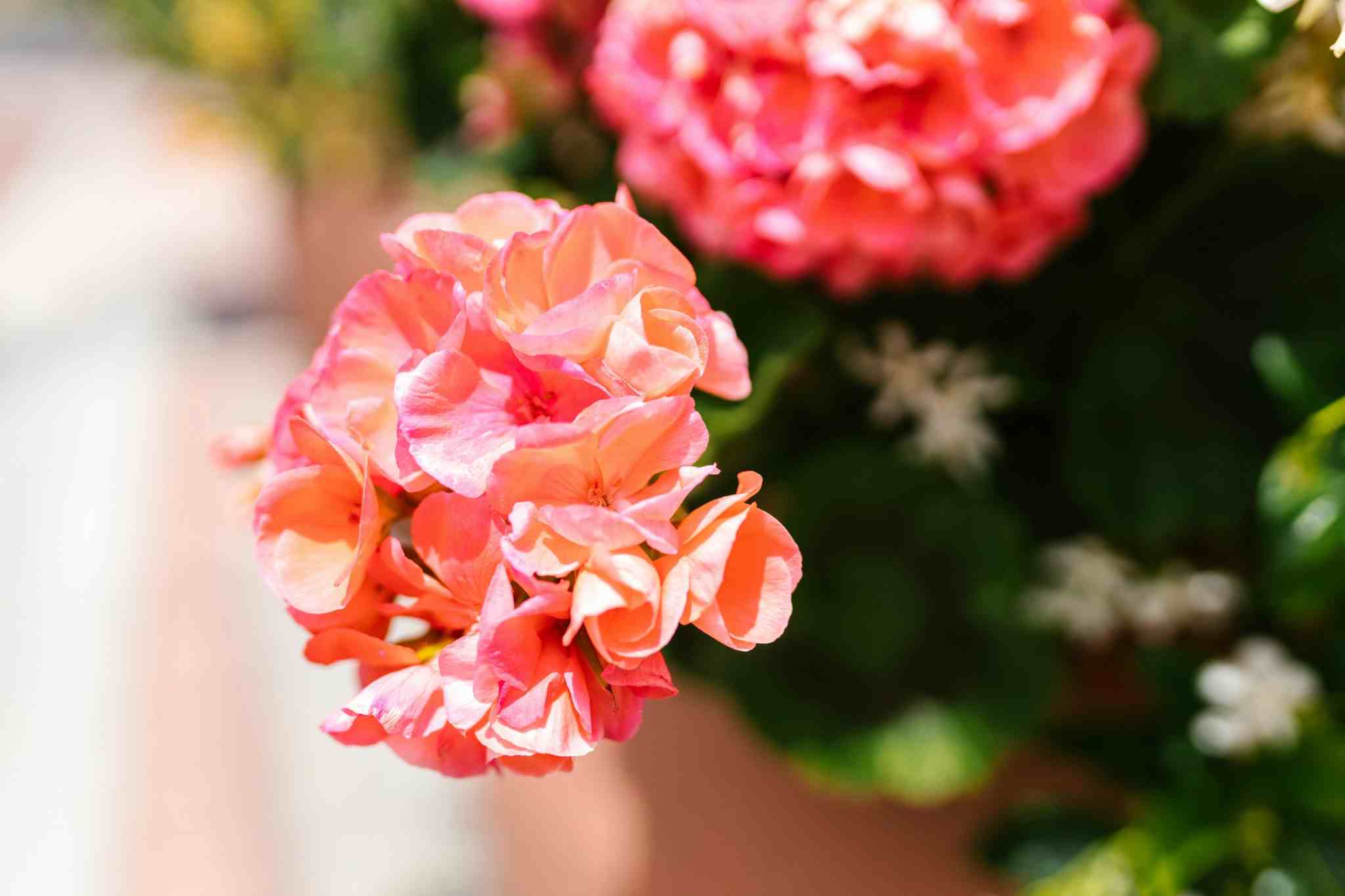
8. Geraniums
Geraniums are tough and easy to grow but not a good companion for alyssum.
Why Geraniums are a Problem:
Nutrient Competition: Geraniums can be heavy feeders. So they will outcompete the alyssum for nutrients.
Allelopathic Effects: Some geraniums can release chemicals that stop the growth of nearby plants, and your alyssum will be affected by this.
9. Potatoes
Potatoes and alyssum don’t make great companions as they need very different soil to grow in. On top of that there are issues with pests.
Why Potatoes are a Problem:
Pest Attraction: Potatoes attract pests like aphids and Colorado potato beetles. And if your alyssum is planted nearby the pests will be all over them.
Nutrient Competition: Potatoes are also heavy feeders and will steal all the nutrients your alyssum needs.
10. Dahlias
Dahlias may be stunning to look at but they’re quite demanding as they grow. And will outcompete and overshadow alyssum.
Why Dahlias are a Problem:
Nutrients: Dahlias have high nutrient needs, particularly for phosphorus and potassium, which can deplete the soil and leave your alyssum struggling.
Space Competition:
Dahlias grow to be pretty large and so can overshadow alyssum, meaning it doesn’t get enough sunlight and space.

11. Peppers
Peppers and alyssum may not be the best neighbors due to both needing a lot of nutrients and being susceptible to similar pests.
Why Peppers are a Problem:
Nutrient Competition: Peppers need lots of nutrients, particularly nitrogen and potassium. Alyssum also need them and so if they can’t get enough they will struggle.
Pest Attraction: Peppers attract pests like aphids and spider mites which will also target alyssum.
12. Mint
Mint is a terror in every garden! It dominates wherever it grows. It’s a dreadful companion plant for most plants, alyssum included.
Why Mint is a Problem:
Invasive Growth: Mint spreads aggressively and can quickly take over gardens. It will crowd out alyssum and many other plants.
Allelopathic Effects: Mint can release chemicals that stop the growth of nearby plants and stunt your alyssum.

Good Companions for Alyssum
A few examples of plants that are good comparisons for alyssum include:
Lettuce: Alyssum attracts beneficial insects that keep pests away from lettuce.
Carrots: They don’t compete for nutrients and the alyssum helps keep away carrot flies.
Strawberries: Alyssum attracts pollinators that help with strawberries.
Tips for Successful Companion Planting
Know Your Soil: Test your soil to understand the nutrients it contains and what it’s missing. This will help you to choose the right plants that can share the space and get along without competing too much.
Watering Needs: Group plants together that need the same amount of watering. This way you won’t over or underwater them.
Pest Management: Choose plants that work together by keeping away dangerous pests or by bringing in to your garden insects that benefit one of both of them.
Final Thoughts
Keep experimenting and observing how your plants interact. Every garden is unique and what works well in one may not work in another.
