

Starting a garden can be pretty intimidating if you’ve never done it before. Some plants and flowers seem like they want to die no matter what you do.
But not all flowers are like this. Some will still grow happily even if you’re new to gardening.
I remember my first attempt at growing flowers years ago. It was a total disaster.
I picked some fancy roses that died within a few weeks. I should’ve started simpler. That’s really why I’m writing this – so you don’t make the same mistakes I did.
You may a big backyard you want to take advantage of, a tiny patio or just a windowsill, there are loads of forgiving flowers that’ll work with you even if you have basically no idea what you’re doing.
So I’m going to give you some flowers that you can’t grow thing with and that will give you the confidence boost you need to start enjoying gardening.
Easy to Grow Flowers for Beginners
1. Sunflowers
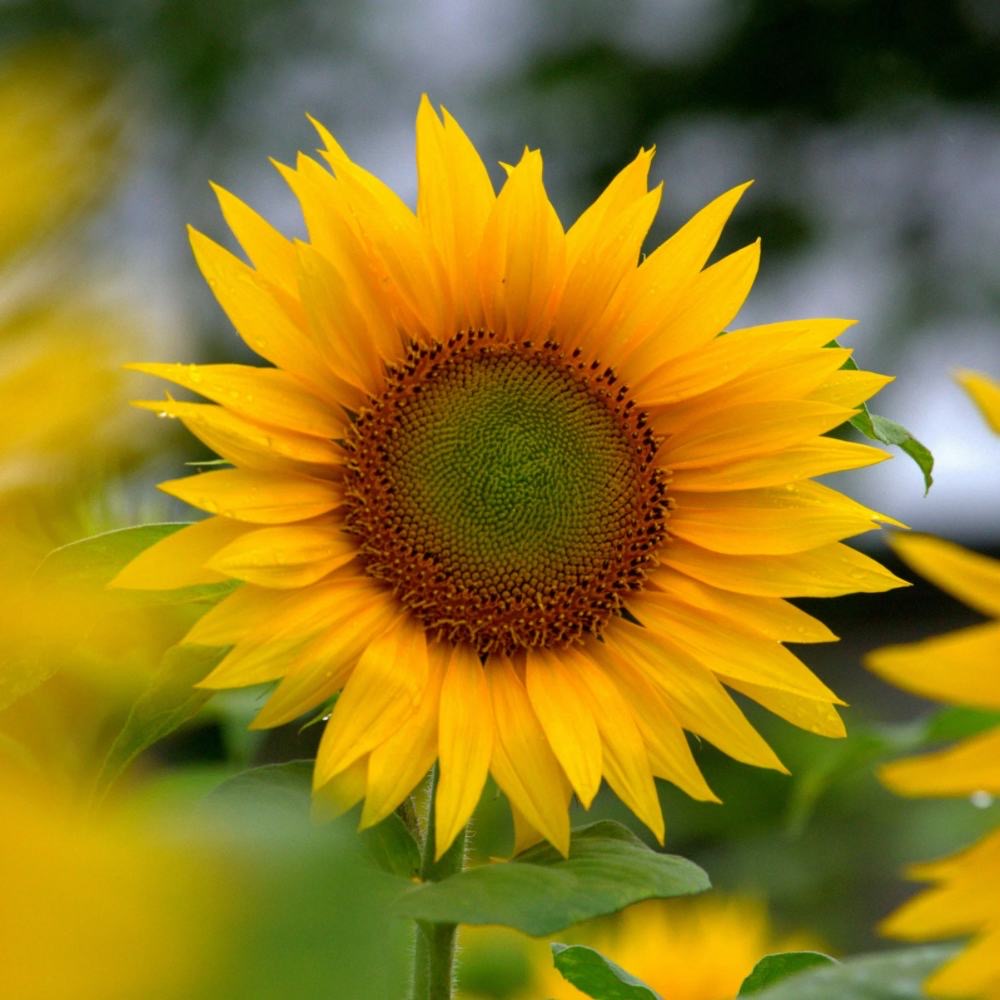
Sunflowers are a great place to start. They’re big, friendly and nearly impossible to kill. Everyone knows them and they look fantastic. They’re perfect if you want quick satisfaction as they grow ridiculously fast.
To grow them:
- Plant the seeds directly in the soil after the last frost (that’s usually April to May depending where you live)
- Choose somewhere that’s gets full sun (they’re called SUNflowers for a reason!)
- Plant the seeds about 1 inch deep and 6 inches apart
- Water regularly but don’t drown them
- Watch them grow up to 6 feet tall in just a few months!
I planted some giant sunflowers last year and forgot about them for a week during a heatwave. I came back expecting them to be dead but instead I found they’d grown ANOTHER foot! They’re survivors.
Fun fact: Sunflowers track the sun throughout the day when they’re young. Once they mature they usually face the east permanently.
2. Marigolds

Marigolds are tough little flowers that come in shades of yellow, orange and red. You can think of them as the cockroaches of the flower world (but you know, prettier) because they just won’t die.
Growing tips:
- Can be planted from seeds or small plants from nurseries
- Plant after the last frost in spring
- They like full sun but can cope with some shade too
- Space the plants about 8 to 10 inches apart
- Water at the base (not the flowers) when the soil feels dry
What makes marigolds so great for beginners is they help your garden in other ways. So they will keep pests like aphids and nematodes away.
3. Zinnias

Zinnias are my personal favorite for beginners because they give you tons of colorful flowers all summer long with very little effort. They come in practically every color except blue as well.
How to grow:
The best thing about zinnias is you can cut them for bouquets and they’ll give you even MORE flowers. Plus pollinators like butterflies and bees absolutely love them.
4. Nasturtiums

Nasturtiums are great because not only are they super easy to grow but you can eat them too. Both the flowers and leaves have a peppery taste that’s similar to arugula.
Growing instructions:
- Sow the seeds directly after danger of frost
- Plant the seeds about 1 inch deep
- Space them about 10 to 12 inches apart
- They like full sun but will still grow in partial shade
- Actually prefer poor soil (no fertilizer needed!)
- Water moderately – they don’t like to be too wet
It sounds weird but nasturtiums is do better in poor soil. If you fertilize them too much you’ll get tons of leaves but fewer flowers. They’re perfect for that neglected corner of your yard where nothing else grows.
5. Cosmos

Cosmos are delicate daisy like flowers that wave in the breeze. Don’t be fooled though – they’re a lot tougher than they look.
To grow:
- Sow the seeds directly after the last frost
- Barely cover seeds with soil (they need light to germinate)
- Space about 12 to 18 inches apart
- Water when soil is dry to the touch
- They don’t need fertilizer – they prefer lean soil
Cosmos don’t need much water once they’re established, which makes them perfect if you’re likely to forget to water them. And they’ll keep blooming from summer until the first frost without much help from you.
6. Pansies
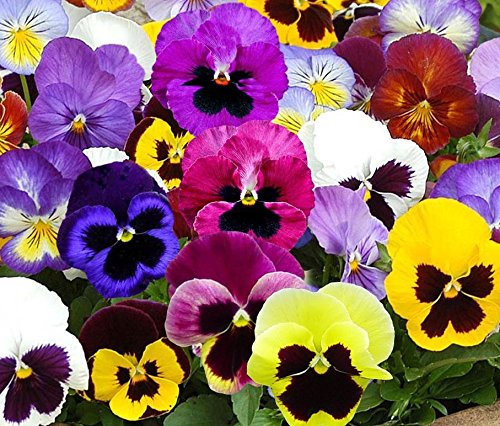
Pansies are perfect for beginners who are starting in cooler weather. Lots of flowers need warm temperatures but pansies actually like the cool seasons of spring and fall.
Growing tips:
- Plant seedlings bought from a nursery (starting from seed is trickier)
- Space the plants 6 to 10 inches apart
- Plant in full sun to partial shade
- Water when top inch of soil feels dry
- Remove any spent flowers to encourage more blooming
I remember planting pansies in early March last year when there was still the occasional bit of frost and they took it like champs! Their cheerful “faces” are so rewarding when not much else is blooming yet.
7. Sweet Alyssum
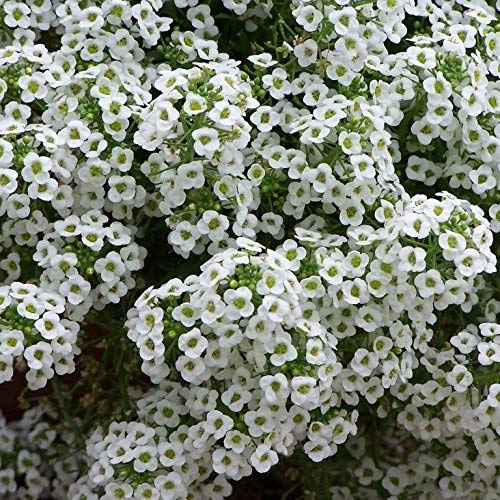
Sweet alyssum are beautiful white, purple or pink flowers that make a sort of carpet on the ground. They have a lovely scent and pollinators can barely resist them. It’s super easy to grow and spreads quickly.
How to grow:
- Sow the seeds on the surface of the soil (they need light to germinate)
- Keep the soil moist until established
- Space plants 6 to 8 inches apart
- Grows in full sun to partial shade
- Trim back by 1/3 if the plants look scraggly by the middle of the summer
Alyssum self seed quite easily so once you plant them you might find little alyssum babies popping up the following year with zero effort on your part.
8. Black Eyed Susans

Black eyed Susans are bright yellow daisy like flowers with dark centers that seem to pop up everywhere in the summer. They’re about as low maintenance as flowers can get.
Growing tips:
- Can be started from seed or nursery plants
- Plant in spring after the danger of frost
- Space plants 12 to 18 inches apart
- Prefer full sun but can deal with partial shade
- Water when soil feels dry an inch down
- Don’t mind little water once established
I planted these along my driveway three years ago and they’ve been a huge success without me doing anything. They’ve spread into a gorgeous patch that blooms from July through September.
Butterflies love them and they make great cut flowers that last about a week in a vase. If you’re looking for a “plant it and forget it” option the these are the ones.
9. California Poppies

California poppies those gorgeous orange cup shaped flowers that look amazing in the sun. They’re perfect for beginners because they cope so well with both very little water and generally being neglected.
How to grow:
- Sow the seeds directly where you want them to grow
- Plant them in the fall or early spring (they need the cool weather to germinate)
- Barely cover seeds with soil – they need light to germinate
- Space about 6 to 8 inches apart
- No need to fertilize as they like poor soil
- Water sparingly – they’re very tolerant of drought
The best thing about California poppies is they’ll self seed a lot so you’ll get more plants each year without doing anything. Last year I scattered some seeds in a dry, rocky area where nothing else would grow and by May I had a carpet of gorgeous orange flowers.
Just note that they go dormant in the hot weather so don’t panic when they die back in summer – they’ll likely return next spring.
10. Dahlias

Dahlias might look fancy and complicated but they’re surprisingly easy to grow and give you huge flowers in almost every color from the middle of the summer until frost.
Growing instructions:
- Plant the tubers after the danger of any frost has passed
- Plant 4 to 6 inches deep with the “eye” facing up
- Space 12 to 18 inches apart for smaller varieties, 2 to 3 feet for the bigger ones
- Like full sun (at least 6 hours daily)
- Water deeply once a week
- Give taller varieties a stake to stop them falling over
I was intimidated by dahlias for years before trying them and now I’m kicking myself for waiting so long. I started with just three tubers and ended up with dozens of gorgeous blooms for months.
The bigger sized varieties are impressive, but for beginners I’d recommend starting with the smaller decorative or pompom types which need less staking.
One tip from my own experience: mulch heavily around dahlias to keep the soil moist and reduce weeding. In colder areas (zones 3 to 7) you’ll need to dig up the tubers in the fall after the first frost blackens the foliage, then store them in a cool, dry place for winter. But in warmer climates you can leave them in the ground all year round.
Challenges (And How to Handle Them)
Even with these easy to grow flowers you might run into a few problems. Don’t worry – it happens to everyone. These are a few tips to to handle the most common issues:
Overwatering
This is probably the #1 way beginners kill their plants. More plants die from drowning than drought.
Signs of overwatering include:
- Leaves turning yellow
- Wilting despite wet soil
- Soft, mushy stems
- Mold on the surface of the soil
Solution: Only water when the top inch of soil feels dry when you touch it. Most established flowers only need to be watered once or twice a week unless it’s extremely hot. Get a simple moisture meter if you’re really not sure – they’re cheap and means you won’t be guessing.
Pest Problems
Nothing’s worse than seeing your flowers getting attacked and eaten by bugs.
Common pests include:
- Aphids (tiny green or black bugs on the stems/buds)
- Slugs (leave trails of slime and holes in the leaves)
- Japanese beetles (green beetles that turn the leaves into skeletons)
Solution: For mild infestations a strong spray of water can knock aphids off the leaves. For problems that persist try using insecticidal soap or neem oil – both are organic options that won’t harm the good insects you want to keep when used the right way. For slugs, beer traps work surprisingly well!
I once had an outbreak of aphids on my zinnias and panicked. I was about ready to use chemical sprays. But then I noticed ladybugs showing up to eat them a few days later. Nature often balances itself out if you’re patient enough.
Poor Blooming
You’ve got healthy looking plants but where are all the flowers? This could be caused by:
- Too much nitrogen (helps leaves to grow but at the expense of flowers)
- Not enough sunlight
- Not deadheading spent blooms
Solution: Use a fertilizer labeled for blooming plants (higher middle number in the NPK ratio). Make sure the plants are getting enough light – most flowering plants need at least 6 hours of direct sun. Remove the spent flowers regularly to get more blooms.
Weird Weather
Climate change is making weather harder to predict and sudden temperature swings can stress plants.
Solution: Pay attention to your weather forecasts. If late frost threatens your area then cover your plants with cloth or plastic overnight (then remove in morning). During heatwaves water more often and get some temporary shade for more sensitive flowers.
Last summer we had a brutal week of 95+ degree days and I saved my cosmos by setting up a simple shade cloth over them during the hottest part of the day.
FAQ
When is the best time to start planting flowers?
This depends on your climate and the specific flowers but generally:
- Annual flowers should be planted after the last frost in your area
- Cool season annuals like pansies can be planted in the early spring or fall
- Perennials are usually best planted in the fall or early spring
If you’re not sure about your local frost dates you check with your county extension office or use an online frost date calculator.
Do I need special soil for flowers?
Most of the easy flowers I’ve mentioned will grow in average garden soil but they’ll do better in soil enriched with compost. If you’re planting them in containers then use a good quality potting mix rather than garden soil which can become compacted.
How much sun do flowers need?
Most flowering plants need at least 6 hours of direct sunlight every day to bloom well. However in very hot climates some afternoon shade can help.
Flowers labeled for “partial shade” will generally need 3 to 6 hours of sun while “full shade” plants can get by with less than 3 hours.
How often should I water my flowers?
There’s no one size fits all answer as it depends on your climate, the type of soil and the specific plants. A good rule of thumb to use is water when the top inch of soil feels dry to the touch.
Most established plants prefer deep watering but not that often rather than frequent but shallow watering. In the summer heat this might mean watering 2 to 3 times per week.
Do I need to fertilize my flowers?
Most of the easy flowers listed here can grow without fertilizer but a small amount can help them perform their best. Use an all purpose flower fertilizer and make sure you follow the directions on the packaging. Or use compost as part of your soil before you plant them. Be careful not to over-fertilize though as it can make your plants grow lots of leaves but few flowers.
What’s the difference between annuals and perennials?
Annuals complete their lifecycle in one growing season. They grow, flower, set seed and die within a year. Examples include zinnias, sunflowers and marigolds.
Perennials live for multiple years. They may die back to the ground in winter but regrow from their roots in spring. Examples include coneflowers, black eyed Susans and lavender.
For beginners I usually recommend starting with annuals as they tend to grow faster and be more forgiving.
My flowers were doing great but suddenly look terrible. What happened?
A sudden decline in otherwise healthy plants is often due to:
- Disease (look for spots on the leaves, a weird coating that looks like powder or blackened areas)
- Pest infestation (check the undersides of leaves for bugs)
- Weather extremes (heatwave, cold snap, etc.)
- Animal damage (rabbits, deer etc.)
Take photos and bring a sample to your local garden center to get a diagnosis and some recommendations for what to do/treatment.
Final Thoughts
Starting a flower garden doesn’t have to be complicated or intimidating. The flowers I’ve listed above are the easiest starters to help you build some confidence by getting good results.
Don’t be afraid to make mistakes though – that’s how we all learn! My first garden was a disaster but each year got better as I figured out what worked in my conditions. Now I’m growing things I never thought I could.
The most important thing is to enjoy the process. Gardening can be hugely satisfying. When you take a tiny seed and help turn it into a gorgeous flower.
It’s good for your mental health too – studies show gardening can reduce stress and anxiety levels.
So get yourself some seeds and get your hands dirty. You’ll see your confidence grow along with your flowers. Before you know it you’ll be moving on to the fussier plants without any problems.
