

Mustard is great to grow. It’s a versatile and rewarding plant. Not to mention it’s seeds can be used for adding some flavor to your cooking.
But did you know that planting it alongside certain companions can boost its growth and health? It’s true! And others can do the opposite and really harm it’s chances of growing successfully.
So you want to get those companions right. This guide from my years in the garden will show you the best plants to grow with mustard.
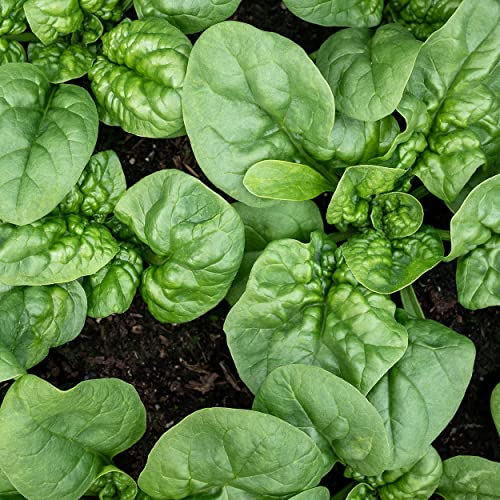
1. Spinach
Why Spinach?
Spinach and mustard make a great pair. Spinach thrives in the cool seasons just like mustard and their roots don’t compete much for water and nutrients.
Growing Spinach
Soil: Soil that drains well and rich in organic matter.
Watering: Keep the soil moist, especially during germination.
Location: Likes full sun.
Benefits
Pest Control: Spinach can keep pests away that might otherwise feast on mustard.
Health of Soil: Both plants can make the soil healthier by adding organic matter.
2. Dill
Why Dill?
Dill attracts beneficial insects like ladybugs and hoverflies. These controls hide and other pests that can do real damage to your mustard plant.
Growing Dill
Soil: Light, well drained.
Watering: Moderate watering, avoid waterlogging.
Location: Full sun.
Benefits
Natural Pest Control: Dill brings in the good bugs that keep the bad bugs at bay.
Flavor Boost: Harvest dill leaves for use in your cooking. It had a great flavor and really adds some extra zing to dishes.
3. Lettuce
Why Lettuce?
Lettuce can be a great companion because it grows quickly and acts as ground cover. This stops weeds from growing too much around your mustard plant.
Growing Lettuce
Soil: Loose, well drained soil that is rich in organic matter.
Watering: Keep the soil moist.
Location: Partial shade to full sun.
Benefits
Weed Control: Lettuce is useful for stopping weeeds from growing which in turn keeps the area around your mustard clear.
Soil Moisture: Holds on to soil moisture which helps with the mustard growing.

4. Carrots
Why Carrots?
Carrots and mustard grow well together because carrots have deep roots that help break up the soil. This improves the circulation of the air on the soil and well the water can move through soil.
Growing Carrots
Soil: Loose, sandy loam is best.
Watering: Regular watering and making sure it has gets deeply into the soil.
Location: Full sun to partial shade.
Benefits
Soil Aeration: Carrots improve the structure of the soil which benefits the mustard.
Space: Both plants need different depths of soil to grow. So their roots don’t clash or crowd each other out.

5. Onions
Why Onions?
Onions will keep away certain pests that might harm mustard plants.
Growing Onions
Soil: Well drained, fertile soil.
Watering: Moderate watering and don’t let the soil dry out.
Location: Full sun.
Benefits
Pest Resistant: Onions keep away aphids, carrot flies and other pests.
Flavor: Adds flavor to your cooking. Onions can be used in everything!
6. Cabbage
Why Cabbage?
Cabbage and mustard belong to the same family (Brassicaceae) so they like the same conditions to grow in. Also benefit from being planted with each other.
Growing Cabbage
Soil: Rich, well drained soil with lots of organic matter.
Watering: Regular watering to keep soil moist but not waterlogged.
Location: Full sun.
Benefits
Shared Care: Need the same when it comes to care so it’s easier to look after them in your garden.
Attracts Pest: Mustard can act as a trap crop for pests that might otherwise attack cabbage.
7. Nasturtiums
Why Nasturtiums?
Nasturtiums are known for attracting aphids away from mustard and other vegetables. They’re basically a sacrificial plant for your garden.
Growing Nasturtiums
Soil: Any well draining soil.
Watering: Moderate watering.
Location: Full sun to partial shade.
Benefits
Pest Control: Attracts pests away from mustard.
Edible Flowers: The flowers are edible and have a peppery taste. Good for salads.

8. Marigolds
Why Marigolds?
Marigolds are well known for keeping pests away, particularly the likes of nematodes and aphids.
Growing Marigolds
Soil: Light, well draining soil.
Watering: Regular watering. Let the soil dry slightly between each time you water.
Location: Full sun.
Benefits
Pests: Helps keep pests away from mustard.
Bright Flowers: Adds color to your garden.

9. Beans
Why Beans?
Beans add nitrogen to the soil. Mustard loves nitrogen so benefits from the beans being there and bringing that extra nitrogen.
Growing Beans
Soil: Well drained, rich in organic matter.
Watering: Keep soil moist, especially as they form pods and then flower.
Location: Full sun.
Benefits
Nitrogen Fix: Improves how fertile the soil is for mustard.
Support: Bush will give ground cover.
10. Beets
Why Beets?
Beets and mustard grow well together because they have different needs when it comes to nutrients Their roots grow to different depths too, which means they don’t compete.
Growing Beets
Soil: Loose, fertile soil.
Watering: Regular, consistent watering.
Location: Full sun to partial shade.
Benefits
Health of Soil: Beets improve the structure of the soil and make it better to grow in.
Harvest Variety: More yummy food for your cooking.

Tips for Successful Companion Planting
Planting Layout
Intercropping: Mix mustard with companions in alternating rows or patches.
Spacing: Make sure there is enough space for each plant to thrive.
Soil Preparation
Compost: Add compost to improve the fertility of the soil.
pH Balance: Test and adjust the soil pH as needed.
Watering and Maintenance
Mulching: Use mulch to keep the soil moist and to reduce weeds.
Regular Inspection: Check plants regularly for pests and diseases.
Harvesting Tips
Timing: Harvest mustard leaves when young for tender greens.
Rotation: Rotate crops annually to keep the soil healthy.
