
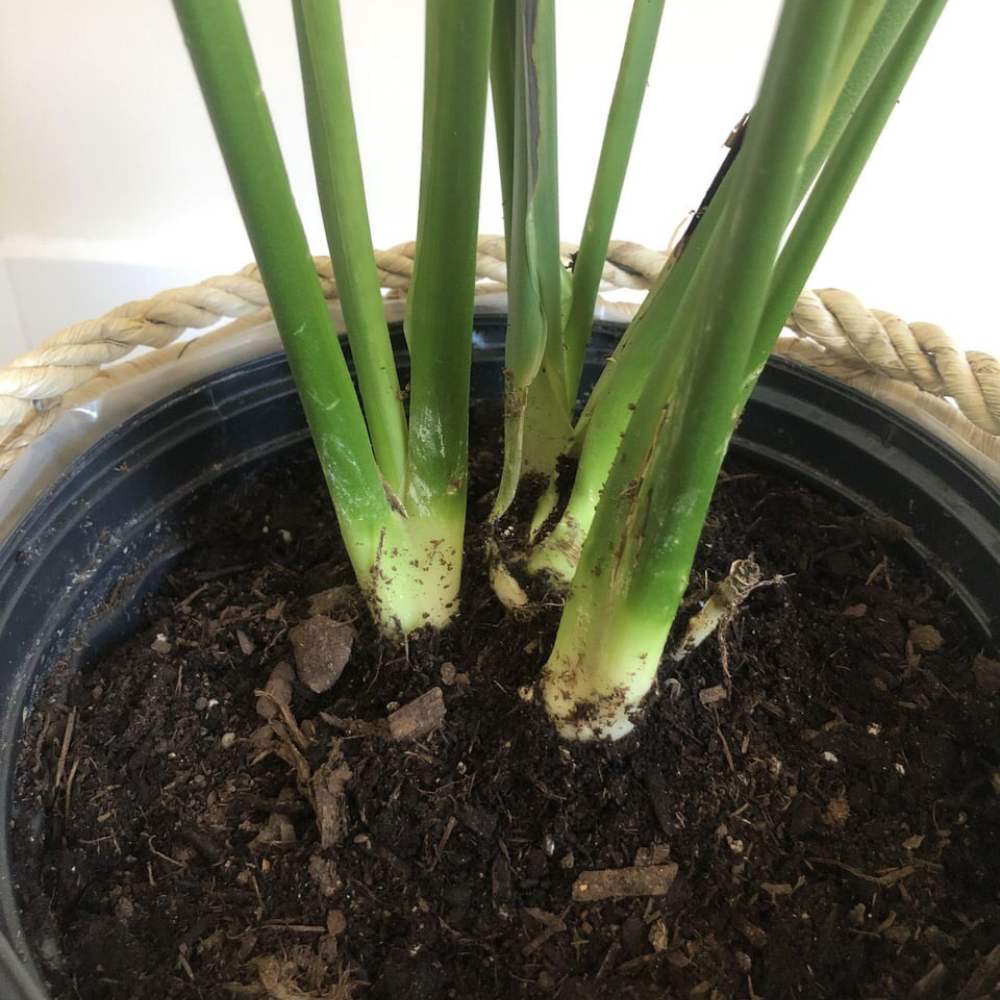
Peace lilies have a reputation for being easy, and by houseplant standards they are. They tell you when they need watering. They don’t mind low light. They’re not particularly demanding about temperature or humidity when compared to some other plants.
But the one area where getting things wrong can be a big deal is the soil.
Put a peace lily in the wrong growing medium and every other aspect of its care becomes harder. If it’s too dense and becomes waterlogged then root rot becomes almost inevitable regardless of how carefully you water.
If the soil drains too fast and lacks nutrients the plant will struggles to maintain the healthy looking leaves. The soil is the environment the roots live in, and roots that aren’t happy in their environment result in a plant that isn’t happy above the ground.
Thankfully peace lilies aren’t particularly fussy about soil – they just need a mix that does a few things well. This guide explains exactly what those things are, which commercial mixes will give a peace lily what they need, how to mix your own if you want to, what to avoid and why and how the soil choice will influence other decisions you’re making about watering and choosing a pot. Get the soil right and a peace lily will grow well with surprisingly little effort on your part.
Quick Answer
- Use Well Draining Soil: Peace lilies need soil that holds on to some moisture but still drains fast enough to stop root rot.
- Add Perlite or Bark: Mixing in perlite, orchid bark or coco coir helps to improve the air flow around the roots.
- Avoid Heavy Garden Soil: Dense soil stays too wet and compacts easily which can stress the plant and slow down its growth.
For more help see Peace Lily Care Guide: Tips to Get Thriving Plants.
What Peace Lilies Need From Their Soil
Knowing where a plant comes from explains what it needs from it’s growing medium. Peace lilies are native to the tropical rainforests of Central and South America.
They grow on the floor of the forests in the shade beneath the tree canopy. In that environment the soil is rich in decomposed organic matter, consistently moist but never waterlogged because the forest floor drains well. It’s also a little acidic from the leaf litter and full of fungi, bacteria and other soil organisms that process nutrients into forms the plant can use.
You don’t need to exactly copy the conditions of the jungle and replicate them in your peace lilies pot. You just want to know the main properties that made those conditions good for peace lily roots and then choose a growing medium that provides them.
Stop accidentally killing your peace lily.
My free guide 7 Gardening Mistakes That Are Killing Your Plants covers the most common reasons peace lilies fail — and the simple fixes that bring them back.
Property 1: Moisture Retention Without Waterlogging
This is a bit of a balancing act. Peace lilies wants consistent moisture – it comes from an environment where the soil never fully dries out – but it does not want to sit in saturated compost where the space for air between the soil is filled with water instead of oxygen.
The roots need that oxygen just as much as they need water and a soil that stays waterlogged for too long essentially suffocates them.
The ideal is a soil that holds enough moisture to stay damp for a few days between waterings but drains enough that the spaces where the air is in the compost are restored within a few hours of watering.
This is what gardeners mean when they describe a soil as “moisture retentive but well drained” – it sounds like a contradiction but it’s describing two different properties that work on different timelines.
Property 2: Adequate Aeration
Similar to drainage but distinct from it: the structure of the soil needs to be open enough that the roots can grow through it easily and that air can circulate around them.
Dense, compacted soil – which is what garden soil or heavy compost often becomes in a pot – is too difficult for roots to penetrate through it and also doesn’t let the air move that the roots need.
Aeration is why perlite, bark etc. are added to houseplant mixes: not for the drainage but to keep the structure of the mix open over time.
Property 3: Nutrient Richness
Peace lilies are moderate feeders – not as hungry as something like dahlias or tomatoes but not as frugal as succulents or Mediterranean herbs. They grow through the spring and summer and produce flowers on a well fed plant more reliably than on one that’s lacking nutrients.
The growing medium should have enough organic matter to give a reasonable base level of nutrients, even before you begin any extra feeding.
Property 4: Slightly Acidic pH
Peace lilies prefer a slightly acidic to neutral growing medium – a pH of around 5.5 to 6.5. Within this range the nutrients in the compost are most available to the plant’s roots.
If it gets above 7.0 and into alkaline territory then certain nutrients – particularly iron – become unavailable which can cause the interveinal yellowing (chlorosis) that’s sometimes mistaken for other problems.
Most good houseplant composts will be within the right pH range so this is usually only a concern if you’re using unusual amendments or noticing chlorosis symptoms in a plant that’s been well looked after.
Ready Made Commercial Mixes: What Works and What Doesn’t
The honest answer about commercial potting mixes is that most of the decent ones work perfectly well for peace lilies straight out of the bag, with one or two simple additions. The important thing is knowing what to look for on the label and what to avoid.
Standard Houseplant or Indoor Plant Compost
A good quality general houseplant or indoor plant compost is the most widely available option and does a reasonable job for peace lilies as a base. These mixes will balance how much moisture thats retained and give better drainage than garden compost or multi purpose compost.
They generally contain some slow release fertiliser to support growth too. Their limits are that many of them are peat based (or peat substitute based) and can become compacted over time, losing the air flow that root health depends on.
For this reason using a houseplant compost as a base but adding 20 to 30% perlite is generally better than using it straight – the perlite keeps the soil open over the years between repottings.
Aroid Mix
Peace lilies are part of the Araceae family – aroids – and mixes sold specifically as aroid mix are designed for exactly the conditions they prefer. A good aroid mix has compost with chunky bark pieces, perlite and sometimes charcoal, making a mix that drains well, stays aerated and holds just enough moisture to keep roots from drying out.
It’s coarser and chunkier than standard houseplant compost which some people find looks less tidy in a pot. But the roots it creates is excellent for peace lilies. If you can find a premixed aroid blend from a specialist plant supplier it’s the most convenient solution.
Multi Purpose Compost: Use With Caution
Multi purpose compost – that is the general purpose bag sold in garden centres for everything – is not great for peace lilies if you use it straight. It tends to be too dense and holds too much moisture for houseplants, as well as compacting quickly in a pot and can also stay wet for too long after watering.
The nutrient levels are also often higher than a peace lily needs, which can cause a build up for salts in the soil over time. If multi purpose is what you have available it can work in a pinch with some addition of perlite (at least 30 to 40%) to improve the drainage and aeration – but a dedicated houseplant compost is going to be a better starting point.
Cactus and Succulent Compost: Too Free Draining
At the other extreme are mixes made for cacti and succulents. These are too free draining for peace lilies.
They are designed to dry out quickly between waterings which is exactly what succulents want and exactly what peace lilies don’t. A peace lily in a cactus mix will dry out far too quickly, struggle to keep the soil moisture like its roots want and need to be watered a lot more often than it should.
On its own cactus mix is the wrong choice. Used as an amendment in small amounts to improve the drainage in a heavier mix can work – but it’s not a base mix for peace lilies.
Peat Free Alternatives
As peat free growing media become more widely available and better formulated, they’ve become more of an option for peace lilies. Coir based (coconut husk fibre) mixes hold on to moisture well and are more sustainable than peat.
But they can be slightly less full of nutrients and sometimes have a higher pH than peat based alternatives – worth checking if you’re using a coir heavy mix and noticing yellow that might be a sign of pH related nutrient lockout.
Wood fibre based peat free mixes are improving quickly and many now perform as well as peat based products for houseplant use. But as with any mix you have to check that it drains reasonably well and to add perlite if it seems very dense.
DIY Soil Mix Recipes
Mixing your own peace lily soil is not complicated and gives you complete control over the what the growing medium contains. There are a few ways to go about it depending on what you want to achieve and what you have available.
The Standard Mix: Balanced and Reliable
- 60% good quality houseplant or indoor plant compost
- 20% perlite
- 20% fine orchid bark or coco coir
The compost is what makes it hold on to moisture and gives it nutrients. The perlite improves the drainage and maintains good air flow over time. The bark or coir stops the mix from compacting too quickly. This is a good all round starting point for most peace lily growers.
The Free Draining Mix: For Those Who Tend to Overwater
- 50% houseplant compost
- 30% perlite
- 20% coarse orchid bark
If you know from experience that you tend to water on the generous side or if you live in a cool climate where evaporation is slow and pots stay wet for a long time make the ratio more perlite and bark as it will reduce the risk of waterlogging. The tradeoff is that this mix dries out faster and the plant may need watering a bit more often – but the root environment is much safer for a heavy waterer.
The Moisture Retentive Mix: For Those Who Tend to Underwater
- 70% houseplant compost
- 20% coco coir
- 10% perlite
Coco coir has some great properties that hold on to moisture and releases water slowly to roots over time. This mix is better suited to if you have a habit of forgetting to water, live in a hot or dry climate where pots dry out quickly or are growing in a very warm and well lit position where the plant is drinking a lot. There being less perlite means the drainage is slightly less aggressive – make sure the pot has good drainage holes to compensate.
The Full Aroid Mix: For Enthusiasts Who Want the Best
- 40% houseplant compost
- 20% perlite
- 20% coarse orchid bark
- 10% coco coir
- 10% horticultural charcoal
Horticultural charcoal (activated charcoal) improves drainage, absorbs impurities and too much salt from the soil and is thought to support beneficial soil microbes. It’s an option rather than something you have to include but it does appear to improve the long term health of the soil in containers. This is the mix if you want to give the plant the best possible environment for roots and you don’t mind sourcing a few specialist ingredients.
What to Avoid and Why
Knowing what not to use is as important as knowing what to use. Quite a few available materials are used in peace lily care and cause problems that are then wrongly attributed or blamed on watering or light issues.
Garden Soil
Garden soil – so that’s soil dug from the open ground and put into a pot – is probably the mistake most made by those new to growing and looking after houseplants. It seems logical: soil is what plants grow in, there’s plenty of it available, why buy compost?
The problem is that garden soil behaves completely differently in a container than it does in the ground. In the ground soil lets the water drain away, the roots can then grow into the surrounding area and the soil ecosystem maintains the structure over time. In a pot garden soil compacts into a dense brick that has poor air flow all within a season. It usually has weed seeds, pests and pathogens in it that aren’t a problem in the garden but grow easily in the contained environment of a pot.
And it usually drains badly, making the exact waterlogged conditions that cause root rot in peace lilies. Never use garden soil for potted peace lilies.
Soils With Water Retaining Gel Crystals
Some potting mixes – particularly those marketed for hanging baskets and container plants – contain polymer gel crystals which are designed to reduce how often you need to water. In a peace lily pot these crystals can hold on to way too much moisture around the roots for too long, especially in low light conditions where the plant isn’t using water quickly.
The result is the wet and bad air flow root environment that leads to root rot. Check the label before using any potting mix for peace lilies and avoid those that list water retention gel as an ingredient.
Very Fine, Dusty Compost
Old, degraded compost that has broken down to a fine dust has lost most of its structure and aeration. It compacts straightaway, drains badly and gives very little support to the roots. This is what happens to potting compost that has been sitting in an opened bag in a shed for a year or two, or to compost in a pot that hasn’t been refreshed for a few years.
If the compost you’re using has a fine, dusty texture, or is a bit like a paste instead of the loose and slightly chunky texture of fresh mix, don’t use it for repotting. The properties that make compost useful for root health depend on that fresh, open texture.
Alkaline Modifications
Some modifications that are useful in outdoor gardening will do damage to peace lilies in containers. Garden lime, wood ash and spent mushroom compost are all alkaline and can push the pH of a potting mix above the range peace lilies like.
This is worth knowing if you’re mixing your own compost and are likely to just grab whatever soil amendments you have available. Stick to the ingredients in the recipes above and avoid anything that you know raises soil pH.
How Soil Choice Connects to Watering and Pot Selection
Soil, pot and watering are not independent decisions – they’re really part a system and changing one changes what the others need to do. Understanding how they work together stops the kind of wrong combinations that lead to problems even when each individual choice seems reasonable.
Soil and Pot Material
Terracotta pots let moisture evaporate through their sides which means the soil dries out faster than it would in a plastic or glazed ceramic pot. If you’re using soil mix that holds on to moisture and a terracotta pot the two effects partially cancel each other out – the moisture retentive mix compensates for the terracotta’s drying effect.
If you’re using a free draining mix in a terracotta pot the combination dries out very fast and you’ll need to water more often. If you’re using a moisture retentive mix in a glazed ceramic or plastic pot, be cautious – the combination can stay wet for a very long time, especially in the winter or in lower light positions.
The practical implication: match your soil mix to your pot material. A free draining aroid mix works really well in a plastic or glazed pot that doesn’t lose moisture through its sides. A slightly more moisture retentive mix is a decent choice in terracotta.
Neither combination is wrong in principle but the how often you’ll have to water for each combination is quite different and knowing that stops you from either overwatering a plastic potted plant or underwatering a terracotta one.
Soil and Pot Size
The ratio of soil volume to root volume will decide how quickly the pot dries out and how much reserve nutrients are available between repottings. In a pot that’s the right size for the plant – with a good amount of fresh compost around the roots – a good houseplant mix will stay moist for quite a few days and give it enough nutrition between feeds.
In a pot that’s too big – where there’s a lot of compost relative to the roots – the excess soil holds on to the moisture the roots can’t reach, staying wet long after the roots have had what they need. This is why the standard advice to go up only one pot size at repotting is so important, especially for the health of the soil: a correctly sized pot lets the soil’s properties work properly.
Soil and Watering Behaviour
The most important thing soil does in a practical sense is set the parameters within which how you water works. A well formulated, free draining mix is very forgiving of if you overwater a bit because too much moisture will then drain away quickly and the air spaces in the compost are restored fast.
A dense, poorly draining mix is unforgiving because every excess watering just makes the previous one worse and the roots spend too long in waterlogged conditions. Getting the soil right is, among other things, a way of giving yourself more margin for error in your watering – which is very helpful if you’re newer to plant care and still developing a feel for when and how much to water.
When and How to Refresh or Change the Soil
Even the best potting mix won’t last forever. Over time the organic matter breaks down and the mix loses some of its structure.
Nutrients are drained by the plant taking them up and regular watering. The physical texture of the compost becomes finer and more compacted. And in some mixes salts build up from fertilisers and tap water gradually changes the chemistry of the growing medium.
Knowing when and how to deal with this is part of keeping a peace lily in good health over the long term.
The Annual Top Dress
The simplest soil refresh doesn’t need repotting at all. Once a year, usually in the spring , at the start of the growing season, remove the top 2 to 3cm of compost from the pot and replace it with fresh houseplant compost.
This top layer is generaly the most degraded part of the mix and the most to be affected by the salt building up. Replacing it will remove those fertiliser salts, refreshes the root zone with new nutrients and improves the surface drainage of the pot. It takes no more than ten minutes and makes a big difference to plant health between repottings.
Full Repotting Every One to Two Years
A full repotting – removing the plant from its pot, shaking off as much of the old compost as you can and replanting in fresh mix – is the proper way to refresh the soil and should happen every one to two years for a growing peace lily.
How often you do it depends on how actively the plant is growing (a fast growing plant in a bright spot depletes the compost faster than a slow growing one in lower light) and on how quickly the current mix shows signs of being degraded.
The signs of compost that needs replacing are the same as many signs of a root bound plant: drying very quickly, slow growth, persistent yellow leaves that don’t respond to feeding. If repotting is needed mainly for a soil refresh rather than pot size the plant can go back into the same pot with fresh compost rather than moving up a size.
Flushing to Remove Salt Build-Up
If you water with tap water and feed with liquid fertiliser salts build up in the compost over time. If you can see white or pale brown crustiness on the surface of the soil or around the edges of the pot it’s a sign of significant salt build up.
These salts can raise the electrical conductivity of the soil solution to levels that damage roots – osmotic stress, essentially, where roots struggle to take up water because the salt concentration outside the root cells is too high.
The fix is simple: put the pot in a sink or take it outside and run a large amount of water slowly through the compost – enough to flush out a lot of water through the drainage holes. This dissolves the salts and washes them out through the bottom.
Do this every few months if you’re a regular feeder or whenever you notice white deposits on the soil surface. After flushing hold off feeding for two to three weeks to let the compost chemistry restabilise before adding nutrients again.
Final Thoughts
The best soil for a peace lily is not one specific product or recipe – it’s any growing medium that gives it consistent but not too much moisture, good air flow, enough nutrients and a slightly acidic pH. A decent houseplant compost with 20 to 30% perlite added gets you most of the way there for very little effort or cost.
A full aroid mix with bark and charcoal is better still if you want to go further. What matters is understanding the properties you’re aiming for so you can evaluate any mix you use against them.
I spent a couple of years losing peace lily leaves to intermittent yellowing before I realized it was the cheap multi purpose compost I was using. The damn thing compacted quickly and stayed wet far longer than it should.
Changing to a houseplant compost with extra perlite solved the problem almost immediately – not because the compost was more expensive but because it was draining properly and keeping the air flow to the roots strong.
The plant didn’t change. The soil did. And that was enough.
Get the soil right and the watering becomes more forgiving, the feeding is more effective and the plant has the right environment for the roots. And then you’ll see those glossy leaves and white flowers year after year.
It’s the foundation of everything else and it’s the easiest foundation to get right once you know what you’re looking for.
Stop accidentally killing your peace lily.
My free guide 7 Gardening Mistakes That Are Killing Your Plants covers the most common reasons peace lilies fail — and the simple fixes that bring them back.
