
Monstera is a tough looking plant. But when it’s unhappy it will definitely let you know and show it.
If you’re worried your Monstera is struggling and might be on it’s last legs then you need to know the clear signs.
So I’ll take you through the telltale signs your Monstera is in trouble – straight from someone who’s killed (and saved) more plants than I’d like to admit.
Quick Answer
- Yellowing or Browning Leaves (Most Common): When the leaves turn this colour it points to the roots being stressed from too much or too little water. Let the top few inches of soil dry out before your water again.
- Severe Drooping or Soft Stems: Limp growth that doesn’t improve is a sign of weak roots. Take the plant out of its pot and trim any dark or mushy roots then repot it in fresh mix.
- No New Leaves: A long gap in growth is usually down to low light or tired soil. Move the plant to somewhere that gets bright, indirect light and refresh the potting mix.
Understanding Your Monstera Plant
Monstera plants (also called Swiss cheese plant) aren’t just another pretty face in your indoor jungle. They have become Instagram celebrities for good reason – their unique leaf holes and splits (fenestrations) create a dramatic look that’s hard to resist.
But they’re actually pretty forgiving compared to other tropicals. In their native Central American rainforests they grow as understory plants, climbing up tree trunks toward filtered sunlight. They’re not prima donnas by nature – just misunderstood.
When something goes wrong with your Monstera it usually comes down to a handful of mistakes:
- Watering issues (either too much or too little)
- Lighting problems (typically not enough)
- Temperature stress (they hate drafts and cold)
- Pest infestations (they’re particularly tasty to certain bugs)
- Nutritional deficiencies (they’re hungry plants)
The good news? Monsteras are surprisingly resilient. Last summer I accidentally left mine in direct sun during a heatwave while on vacation.
It looked half dead when I returned but with some TLC it bounced back and even put out three new leaves by fall.
Keeping an eye out for trouble signs is a good way to make sure small problems don’t become fatal. Think of these signs as your plant’s way of waving a little white flag before things get dire.
Signs Your Monstera Plant Is Dying
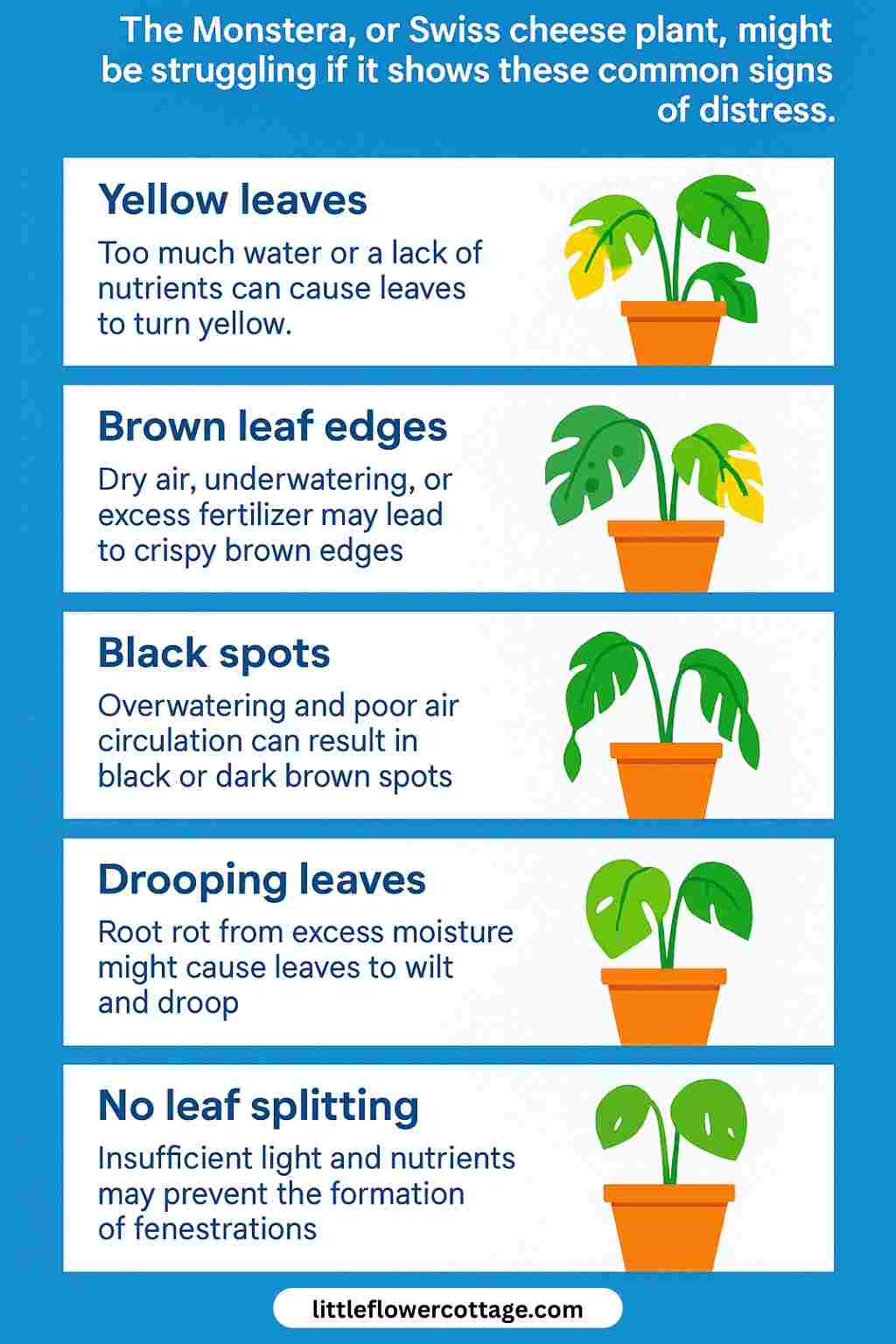
1. Yellow Leaves Throughout The Plant

Yellow leaves on your Monstera are basically the plant equivalent of a check engine light – something’s definitely wrong. But at this point it could be several different things.
If older, lower leaves are yellowing naturally while new growth looks fine, that’s normal aging. But when yellowing spreads throughout the plant or affects newer growth it’s time to investigate. Usually this means you’re overwatering (the most common Monstera killer) or there’s a nutrient deficiency.
What to do:
- Check the soil moisture first – if it’s wet and it’s been days since watering, you likely have drainage issues
- Let the top 2-3 inches of soil dry out between waterings
- Consider repotting if the soil stays soggy for days
- Start a diluted fertilizer routine during growing season (spring/summer) if it’s been more than 6 months since feeding
2. Brown, Crispy Leaf Edges
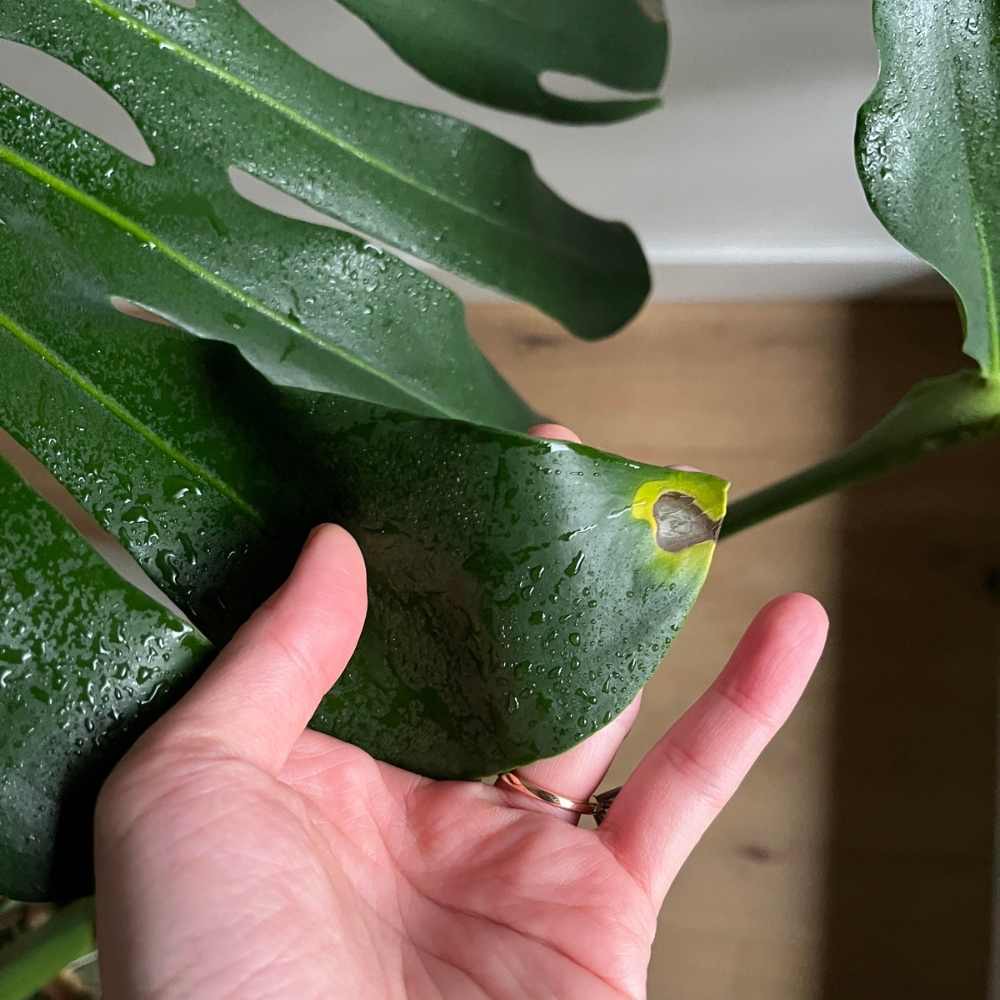
When your Monstera’s leaves start looking like they’ve been hit with a blow dryer that’s a clear sign of dehydration or environmental stress.
Brown edges (especially with a yellow halo around them) are usually sign of underwatering, low humidity, or fertilizer burn. Unlike yellowing, which can sometimes recover, crispy brown edges are permanent damage. The good news is new growth will come in healthy once you fix the issue.
My own Monstera developed crispy edges last winter when I placed it too close to a heating vent. Moving it away and setting up a humidifier turned things around within weeks.
What to do:
- Check your watering schedule – allow soil to partly dry between waterings, but don’t let it dry completely
- Increase humidity (aim for 50%+ for a truly happy Monstera)
- Keep away from heaters, air conditioners and drafty windows
- If you’ve recently fertilized, flush the soil thoroughly with water
3. Black or Dark Brown Spots on Leaves
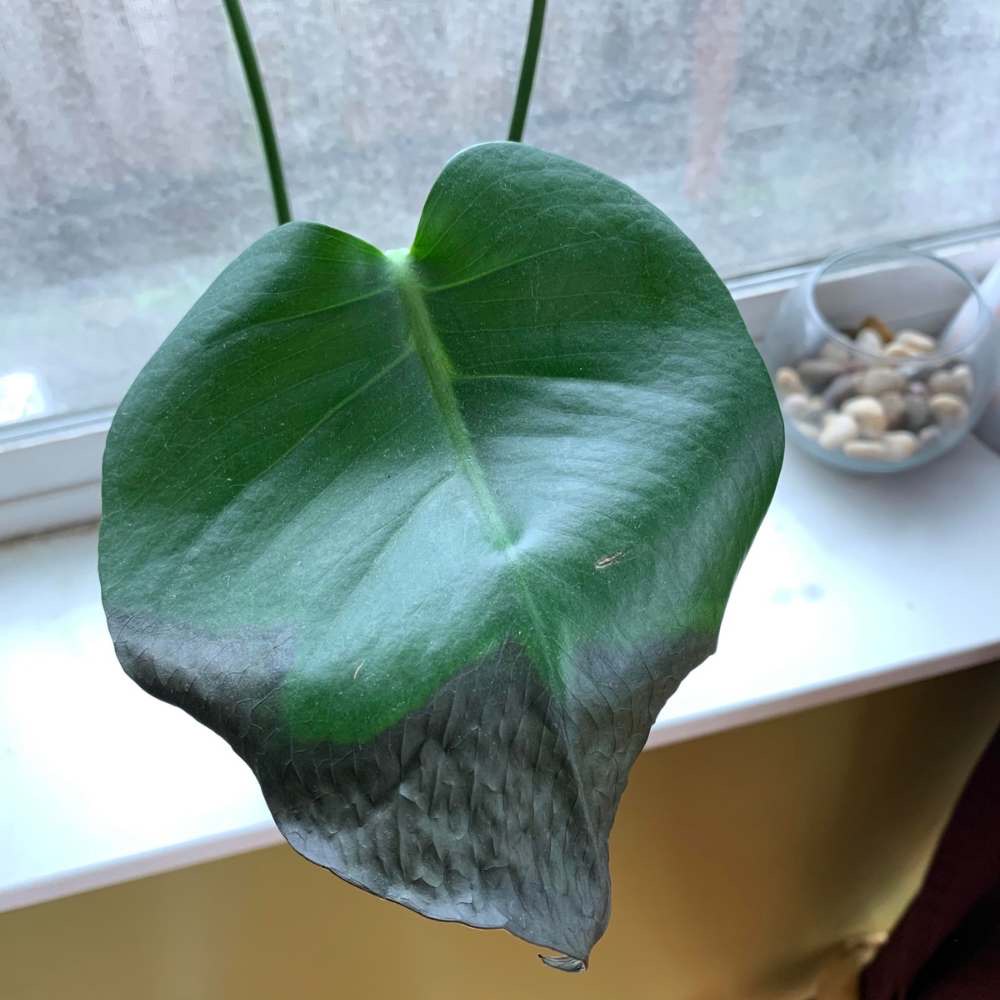
This is where things get concerning. Black or dark brown spots, especially if they’re soft and mushy, usually indicate bacterial or fungal infections – often related to overwatering.
These spots spread quickly and won’t reverse once they appear. The difference between this and normal brown spots? The texture. Healthy brown spots (like natural scarring) are dry. Disease spots are often soft and may have a yellow border.
What to do:
- Isolate the plant immediately to prevent spread to other houseplants
- Use sterilized scissors to cut away affected leaves at the stem
- Treat with a copper fungicide or neem oil
- Repot in fresh soil if more than a few spots are present
- Improve air circulation around the plant
For more help see our guide to why monstera plants get brown spots and how to fix them.
4. Drooping or Wilting Despite Moist Soil
If your Monstera looks like it’s having a very bad Monday – all droopy and sad – even though the soil feels damp, your plant is likely suffering from root issues.
Healthy roots absorb water efficiently. Damaged roots can’t so the plant shows dehydration symptoms even when water is present. This is particularly telling if you notice a droopy plant with wet soil and yellow leaves. That’s a classic sign if root rot.
What to do:
- Remove the plant from its pot and inspect the roots
- Healthy roots are firm and white/light tan
- Rotted roots are brown/black, mushy, and may smell bad
- Cut away all damaged roots with sterilized scissors
- Repot in fresh, well-draining soil in a pot with drainage holes
- Water sparingly until new growth appears
See more ways to fix droopy monstera leaves.
5. Leaves Not Splitting (No Fenestrations)
While not immediately life-threatening, a Monstera that refuses to develop those iconic splits and holes is definitely unhappy. Leaf fenestrations are a sign of maturity and good growing conditions.
If your Monstera is over 2-3 years old and still producing solid, hole-less leaves, it’s probably not getting enough light or nutrients to develop properly. Think of it as a teenager who can’t quite reach their potential.
When I moved my own Monstera from a north-facing window to an east-facing one the difference was huge. New leaves went from small and solid to large with multiple splits within just two growth cycles.
What to do:
- Move to a brighter location with indirect light (morning sun is ideal)
- Establish a regular fertilizing schedule during growing season
- Consider a support pole – climbing can trigger more mature leaf forms
- Be patient – new leaves will show improvement, but existing leaves won’t change
6. Slow or No Growth
Monsteras are moderate to fast growers in the right conditions. During active growing season (spring and summer), you should see new leaves emerging regularly. If months go by without any new growth that’s a sign something’s off.
Stalled growth is usually caused by insufficient light, improper watering or being root bound. It’s your plant’s way of saying “I’m surviving, not thriving.”
What to do:
- Check if roots are circling the bottom of the pot – time to size up!
- Assess light conditions – Monsteras need bright, indirect light
- Review your watering schedule – consistent moisture (not wet, not bone dry)
- Feed with a balanced houseplant fertilizer monthly during growing season
For a more in-depth look try our guide to why your monstera isn’t growing and what to do.
7. Root Bound or Roots Growing Out of Drainage Holes
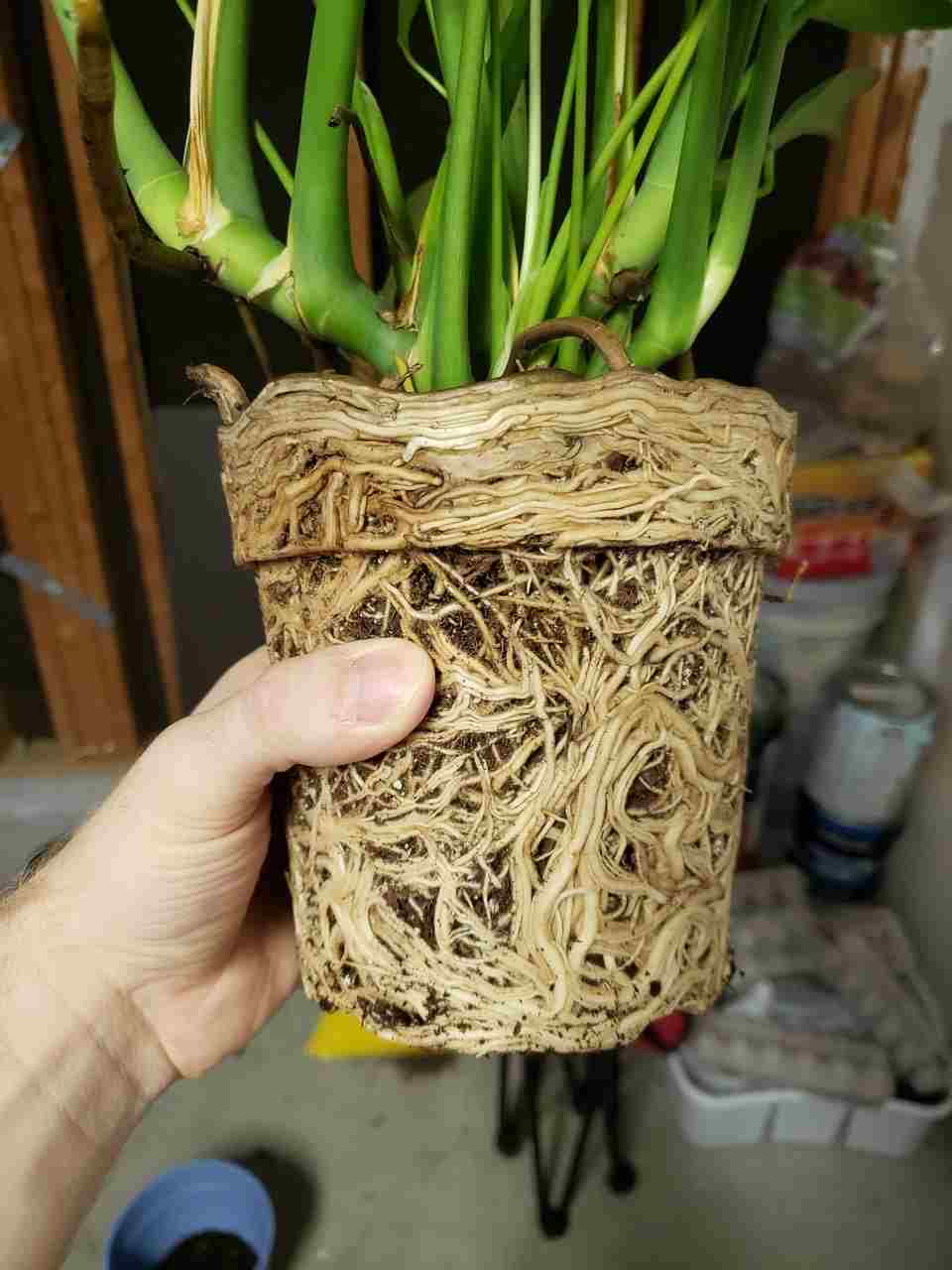
Seeing roots escape from your pot’s drainage holes is your Monstera’s not-so-subtle way of saying “I need more space!”
Root bound plants struggle because their roots can’t get enough soil, water or nutrients. While Monsteras can tolerate being slightly root bound, severe cases lead to stunted growth and eventually decline.
I once unpotted a struggling Monstera for a friend and found an almost solid mass of roots with barely any soil left. The poor thing was essentially trying to survive on air.
What to do:
- Repot in a container 2-3 inches larger in diameter
- Gently loosen the root ball before replanting
- Use fresh, well-draining potting mix
- Water thoroughly after repotting, then return to normal schedule
8. Pest Infestation Signs
Monsteras can be pest magnets, especially when already stressed. Spider mites, mealybugs, scale, thrips etc. all love to feast on juicy Monstera leaves.
Signs vary by pest type:
- Tiny webs between leaves (spider mites)
- White cotton-like clusters (mealybugs)
- Brown bumps that don’t scrape off (scale)
- Silvery streaks and black dots (thrips)
If left untreated pests can absolutely kill a Monstera by sucking out plant juices and spreading disease. The worst infestation I’ve seen completely defoliated a 4ft Monstera in under a month.
What to do:
- Isolate the affected plant immediately
- Spray down with water to dislodge some pests
- Treat with insecticidal soap, neem oil, or appropriate insecticide
- Repeat treatments weekly for at least 3 weeks
- Check neighboring plants carefully
9. Leaf Edges Turning Brown and Curling

When your Monstera’s leaves start to look like taco shells its almost certainly a humidity problem.
Curling leaves with browning edges show the air is to dry. Remember that Monsteras evolved in humid rainforests where dry air is never an issue. In our homes, especially with heating and air conditioning, they can struggle.
During one particularly dry winter my Monstera’s leaves curled so dramatically they almost formed tubes. A humidifier turned things around within a few days.
What to do:
- Check humidity levels (aim for 50%+ for Monsteras)
- Add a humidifier nearby
- Create a pebble tray with water under the plant (not touching the pot)
- Group plants together to create a microclimate
- Mist occasionally (though this is temporary relief at best)
For more help see our 7 reasons your monstera is curling and how to fix it.
10. Soft, Mushy Stems
If your Monstera’s stems feel soft or mushy to the touch that’s the sign of a serious problem. Healthy stems should always be firm.
Soft stems usually mean stem rot which can spread quickly and kill entire sections overnight. This is almost always caused by overwatering or water sitting in the crown of the plant.
I’ve had to perform “amputation” on Monstera that had stem rot creeping up from the soil line. I cut away everything affected and propagated the healthy top sections – losing the original plant but saving its offspring.
What to do:
- Immediate action required – this is critical!
- Cut away all mushy stems well into healthy tissue
- Let any cutting callus over for 24 hours
- Either repot the remaining healthy plant or propagate cuttings in water
- Address watering practices to prevent recurrence
11. Leaves Turning Black and Dropping
The leaves turning black (not just spotted) on a Monstera and starting to fall off is a big sign your plant is experiencing extreme distress. Usually from cold damage or severe root rot.
Monsteras are tropical through and through – temperatures below 55°F (12°C) can cause rapid decline. Similarly, prolonged wet soil can cause roots to rot so badly that entire leaves blacken and drop as the plant can no longer support them.
What to do:
- Remove all black leaves at the stem
- Check for drafts, cold windows, or air conditioning vents
- Maintain temperatures between 65-85°F (18-29°C)
- If coupled with wet soil, follow root rot protocol (repot, trim damaged roots)
- Be prepared to propagate if damage is extensive
Common Monstera Plant Issues and Solutions
Overwatering
This is the #1 Monstera killer, especially among new owners who think more water equals more love.
The Issue: Constantly wet soil leads to oxygen deprived roots that can’t function properly. Eventually they rot and die, cutting off the plant’s water and nutrient supply.
Solution: Wait until the top 2-3 inches of soil dry out before watering again. Use pots with drainage holes and well draining soil. A moisture meter can help if you’re not sure. Remember: Monsteras would rather be slightly underwatered than overwatered.
This guide to how much water a monstera needs will help avoid overwatering.
Light Deficiency
The Issue: Not enough light causes weak growth, small leaves without splits, pale coloration and general failure to thrive.
Solution: Place your Monstera near a bright window with indirect sunlight. East facing windows are often perfect. Avoid deep shade or north facing windows in northern hemisphere. If natural light is limited, consider supplementing with grow lights.
Low Humidity
The Issue: Dry air causes leaf edges to brown and curl, new leaves to emerge deformed and generally stressed plants.
Solution: Use a humidifier, group plants together or place on pebble trays with water. Keeping humidity above 50% will make a big difference to your Monstera’s appearance.
Temperature Stress
The Issue: Exposure to cold drafts, temperatures below 55°F or rapid temperature fluctuations can damage tropical Monsteras.
Solution: Keep your plant away from exterior doors, cold windows and AC/heating vents. Maintain a consistent temperature between 65-85°F for optimal growth.
Nutrient Deficiencies
The Issue: Pale leaves, slow growth and smaller new leaves can indicate your plant is hungry.
Solution: Feed with a balanced houseplant fertilizer (NPK 20-20-20 works well) diluted to half strength monthly during spring and summer. Reduce or eliminate feeding during fall and winter when growth naturally slows.
FAQ
How often should I water my Monstera?
There’s no one size fits all schedule – it depends on your home’s conditions. Generally try to water when the top 2-3 inches of soil feel dry to the touch. This might be weekly in summer and every 2-3 weeks in winter. Always check the soil rather than following a strict calendar.
Can a dying Monstera be saved?
Absolutely. Unless the entire plant has blackened or all roots have rotted Monsteras are surprisingly resilient. Focus on addressing the underlying issue, remove severely damaged parts and be patient – recovery can take weeks to months.
Why isn’t my Monstera developing holes in its leaves?
This usually comes down to light. Insufficient light is the main reason Monsteras fail to develop their iconic fenestrations. Increase light exposure and ensure the plant is mature enough (typically 2-3 years old).
Should I cut off damaged Monstera leaves?
Yes, but be selective. Remove completely yellow or brown leaves at the base of the stem. For leaves with partial damage you can trim just the affected portions if the majority of the leaf is still healthy and green.
How do I know if my Monstera needs repotting?
Signs include: roots growing out of drainage holes, water running straight through the pot without being absorbed, significantly slowed growth and the plant becoming top heavy or unstable. Most Monsteras benefit from repotting every 2-3 years.
Final Thoughts
When your Monstera is struggling and begins to show signs of distress it’s communicating the only way it can. So learning to read those signs is like picking up a new language that will be useful across all your plants.
Don’t forget that recovery isn’t always instant though. Plants operate on their own timeline. Seeing new, healthy growth after addressing problems might take weeks or even months. The plant world rewards patience like few other hobbies do.
I’ve found that Monsteras are among the most forgiving tropicals when caught in time. Even specimens I thought were goners have surprised me with their strength to bounce back once their basic needs were properly met.
So before you toss that sad looking Monstera in the compost, try some of these interventions. With the right care adjustments you might just witness one of the most satisfying plant transformations. It’s hard to beat the feeling of seeing an Monstera recover after you’ve nursed it back from the brink.

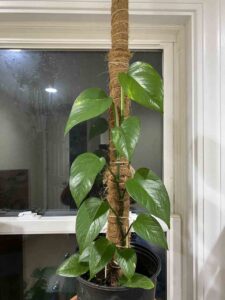
My Monstera is about 10ft growing up a moss pole. It used to have leaves on the bottom 3ft but I’ve cut them off as they were showing brown edges so the plant looks lanky.
Can I cut the top off above the 3ft and replant – will it survive?
Then – if I replant the root will it grow into a better plant and also grow fresh leaves.
Alternatively, is there anything else I can do to encourage it to produce leaves at the bottom.
Thanks
Lynne
Yep, you absolutely can cut off that top 3ft and replant it. That will grow and should thrive. And the remaining plant will get a refresh and new nodes should start growing new leaves.
I think that will be the best route to go. Getting leaves to grow at specifically the bottom is trickier.