
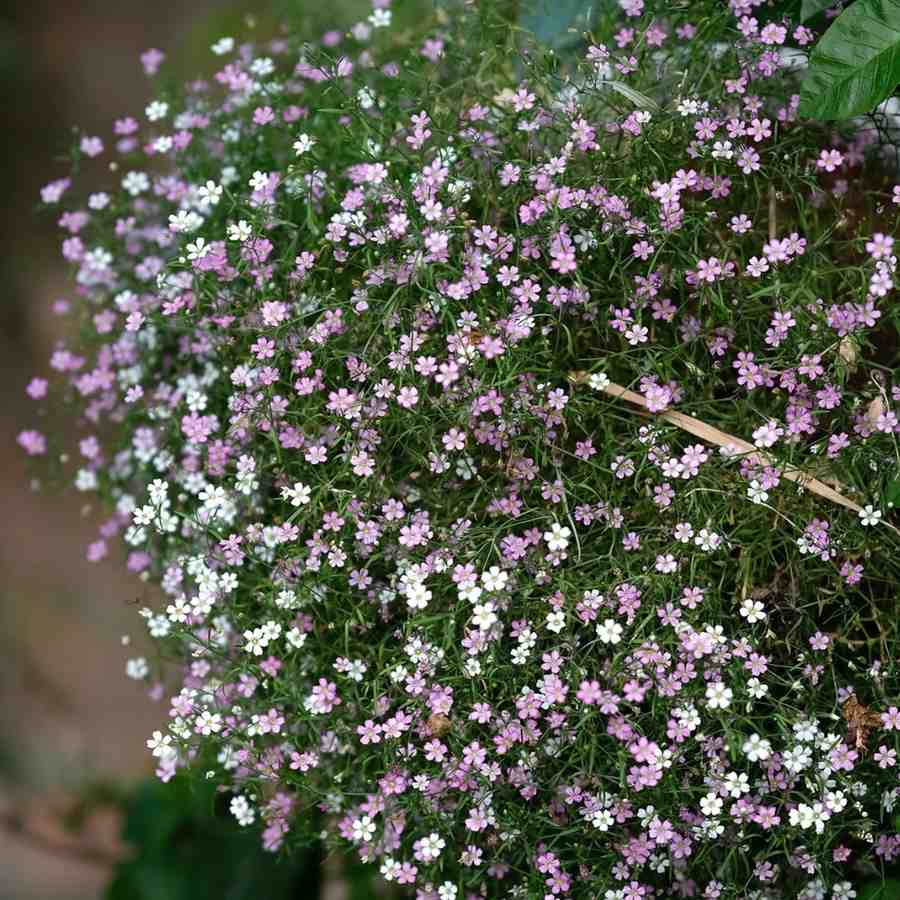
After spending years watching my garden beds succeed and fail I know very well that what grows next to what matters more than fancy fertilizers or perfect soil conditions.
So I’m going to take you through what I’ve discovered about Gypsophila – or Baby’s Breath as most of us call it – and why some plants just don’t play nice with it.
Understanding Gypsophila
I planted my first Baby’s Breath many years ago, tucked between some zinnias and black-eyed Susans – which was a rookie mistake! Within weeks my Baby’s Breath was struggling while everything around it thrived.
Gypsophila is actually a tough little plant though, despite its fragile appearance. Native to Europe and Asia, Baby’s Breath thrives in alkaline, well-drained soil & prefers full sun. It’s drought-tolerant once established and some varieties can grow up to 3 feet tall and spread just as wide. But this toughness comes with specific needs that clash with many common garden plants.
The biggest issue? Baby’s Breath absolutely hates competition for its alkaline soil conditions. It’s also surprisingly thirsty during establishment, despite being drought-tolerant later. And those shallow roots can get easily crowded out by more aggressive neighbors.
Getting companion planting wrong with Gypsophila usually results in either stunted growth, fewer blooms’ or in worst cases, plants that just give up and die before they ever get going.
Plants NOT to Plant with Gypsophila
1. Azaleas
In the past I tried planting Baby’s Breath near my gorgeous azalea bushes. Azaleas crave acidic soil with a pH between 4.5-6.0, while Gypsophila needs alkaline conditions with pH 7.0 or higher. This soil pH conflict means one plant will always suffer.
My Baby’s Breath barely grew, produced almost no flowers and eventually just withered away while my azaleas looked perfectly happy. What I’ve learned is that this pH incompatibility is one of the most fundamental issues that can’t be overcome.
2. Rhododendrons

Similar to azaleas, rhododendrons demand acidic soil that’s completely at odds with what Baby’s Breath needs. They will actually show yellowing leaves in alkaline soil – the exact conditions Gypsophila thrives in.
I’ve seen gardeners try to compromise with soil additives but it just creates patches of soil with different pH levels that eventually equilibrate & disappoint everyone. Save yourself the heartache and keep these plants in separate garden beds.

3. Camellias

The elegant camellia is another acid-loving beauty that will never coexist happily with Baby’s Breath. When I visited my friend’s garden last year she was frustrated that her newly planted Gypsophila was failing beneath her prized camellia bushes.
Why the pairing fails:
- Camellias need acidic soil (pH 5.5-6.5)
- Baby’s Breath requires alkaline conditions
- Camellias create too much shade
- Different watering requirements cause root issues
4. Blueberries
Who doesn’t love the idea of ornamental meets edible gardening? I certainly do, but mixing Baby’s Breath with blueberry bushes is a recipe for disappointment. Blueberries are among the most acid-loving edible plants (they want soil pH around 4.5-5.5), which means they’re at the complete opposite end of the spectrum from what Gypsophila needs.
5. Ferns
The feathery fronds of ferns might seem like they’d pair beautifully with the airy nature of Baby’s Breath, but don’t be fooled. Most common garden ferns prefer acidic to neutral soil & partial to full shade – conditions that would make Gypsophila struggle.
6. Potato Plants
This might seem like an odd pairing anyway but for those with mixed ornamental and vegetable gardens, it’s worth noting that potato plants make terrible neighbors for Baby’s Breath. Potatoes prefer slightly acidic soil and are heavy feeders that will compete aggressively for nutrients.
More importantly, potatoes are subject to several fungal diseases that can spread to your Gypsophila, particularly in humid conditions. Keep these plants far apart to avoid cross-contamination of potential diseases.
7. Hydrangeas
I absolutely adore hydrangeas – especially the blue varieties. But that beautiful blue color is actually a sign of acidic soil conditions that are all wrong for Baby’s Breath. While some hydrangea varieties can adapt to more alkaline soil (producing pink blooms instead of blue), they still prefer more moisture than what’s ideal for established Gypsophila.
When I tried this combination my hydrangeas always looked wilted during dry spells when I was trying not to overwater my Baby’s Breath. It created a constant maintenance headache trying to meet the needs of both plants.
8. Daphne

Daphne shrubs prefer slightly acidic to neutral soil and protection from harsh afternoon sun – essentially the opposite of what makes Baby’s Breath happy. These conflicting needs mean that planting them together usually results in one or both plants performing poorly.
On top of that daphne is notoriously finicky about drainage while demanding consistent moisture – a balancing act that’s even harder when trying to accommodate Gypsophila’s drought-tolerant nature in the same soil space.
9. Japanese Maples
These stunning trees prefer slightly acidic soil and protection from intense sun – creating conditions that won’t support healthy Gypsophila. The dappled shade cast by Japanese maples might seem gentle but it’s not enough direct sunlight for Baby’s Breath to thrive and produce abundant blooms.
10. Hostas
Hostas are shade-lovers with a preference for rich, slightly acidic soil that retains moisture – essentially the opposite of what Baby’s Breath wants. While hostas can tolerate some alkalinity, the full sun that Gypsophila demands would scorch their lush foliage.
When I’ve seen these plants attempted together the result is usually sunburned, crispy hostas or lanky, weak-stemmed Baby’s Breath – neither living up to their full potential.
11. Tomatoes
In my earlier gardening days I tried to maximize space by planting ornamentals like Baby’s Breath between my tomato plants. Which was silly.
Tomatoes are heavy feeders that prefer slightly acidic soil. They also create too much shade as they grow tall & their water needs fluctuate throughout the season.
Perhaps most problematically tomatoes are susceptible to various fungal issues that can spread to nearby plants, especially when foliage gets wet during watering. The constant feeding and watering tomatoes need will create conditions where Gypsophila struggles.
12. Gardenias

Gardenia seems like it would make a romantic companion to Baby’s Breath, but these plants have completely incompatible needs. Gardenias require acidic soil (pH 5.0-6.0), humid conditions and consistent moisture – all things that would stress Gypsophila.
13. Heathers and Heaths
These low-growing evergreens create beautiful landscape texture but require very acidic soil – some varieties won’t tolerate anything above pH 6.0. And while established heathers can be drought-tolerant they typically prefer more consistent moisture than what’s ideal for Baby’s Breath.
I’ve never seen this combination work well despite several attempts in public gardens I’ve visited. The plants end up competing rather than complementing each other.
Good Companion Plants for Gypsophila
These are some companions that share similar growing requirements and actually enhance each other:
- Lavender – Both love alkaline soil and full sun, plus their colors complement beautifully
- Yarrow – Drought-tolerant once established with similar soil needs
- Coneflowers – Their strong stems provide physical support for Baby’s Breath
- Russian Sage – The purple blooms create stunning contrast against white Gypsophila
- Shasta Daisies – These reliable bloomers share the same cultural requirements
- Carnations – Traditional companion both in gardens and floral arrangements
Tips for Successful Companion Planting
Test Your Soil First
Before planting anything with Gypsophila, check your soil pH. Baby’s Breath needs alkaline soil with pH 7.0-7.5, so knowing your starting point helps tremendously. I wasted two years trying to grow Baby’s Breath before discovering my garden’s natural pH was 6.2 – just acidic enough to cause problems.
Consider Mature Sizes
Baby’s Breath can spread up to 3 feet wide, depending on the variety. I’ve seen too many garden beds become overcrowded when gardeners didn’t account for full grown sizes. Give everything room to breathe!
Group Plants with Similar Water Needs
Once established Gypsophila is fairly drought-tolerant. Planting it with other Mediterranean-climate plants that prefer to dry out between waterings will create a more sustainable, lower-maintenance garden bed.
Create Root Barriers When Necessary
If you’re working with limited space & must plant incompatible species relatively close together, consider installing root barriers. Something as simple as a plastic barrier sunk 12 inches into the soil can help maintain different soil conditions on either side.
Final Thoughts
Baby’s Breath might be particular about its neighbors but when given the right companions, it creates a garden feature that’s truly spectacular.
You don’t want to try and force plants to adapt to conditions they hate – rather create little ecosystems where everything thrives together. For Gypsophila that means keeping it away from acid-loving plants and pairing it instead with sun-loving, drought-tolerant species that appreciate alkaline soil.
I hope my mistakes save you some heartache. There’s nothing worse than watching plants struggle when a little planning could have created a garden where everything flourishes. Next time you’re planning a garden bed with Baby’s Breath, remember this list of plants to avoid and you should be fine.
