
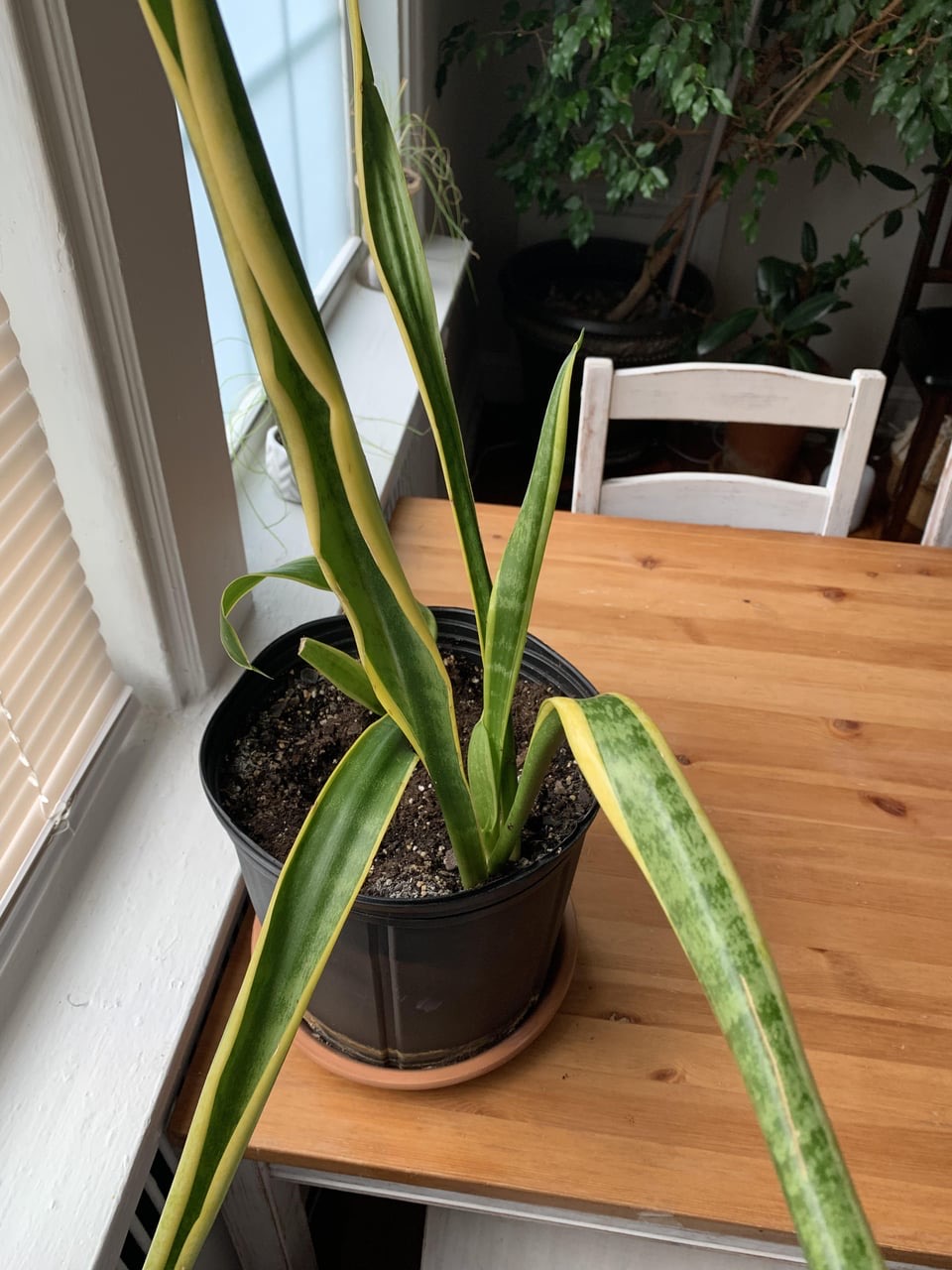
It can be so frustrating to walk into your living room or bedroom and see your snake plant flopped over like it’s about to die.
Snake plants are supposed to be these super tough plants that can’t be killed. Yet somehow they still find ways to give us trouble.
But when they start to tip over there’s usually a good reason. Thankfully most of these problems are simple enough to fix if you know how.
So I’ll help you work out why your snake plant might be falling over and how to get it right again.
Quick Answer
- Overwatering (Most Common): Stop watering immediately. Check for rot and only water when the soil is very dry.
- Wrong Pot Size: Make sure the pot is heavy (ceramic/terracotta) and only 1 to 2 inches wider than the roots.
- Not Enough Light: Move the plant to a brighter spot that gets indirect light and rotate it every week so it grows straight.
Ready for the full deep dive? See The Complete Snake Plant Survival Guide.
Video: Why Snake Plant Leaves are Falling Over
1. Overwatering
I’ll be the first to admit I’ve killed off plants with too much water before. It happens to the best of us.
Snake plants store water in their leaves which means they need way less water than you’d think. When we get too generous and give them lots the roots start to rot and that’s when the trouble begins.
Signs you’ve overwatered:
- Mushy stems near the soil
- Yellow leaves
- A nasty smell coming from the soil
- The leaves feel soft and bendy
The fix? Stop watering immediately!
Then take your plant out of its pot and check its roots. Healthy snake plant roots should be firm and white or cream colored. If you see black roots!then they’re rotting.
Cut away the rotten parts and let the plant dry out for a day or two before repotting it in fresh soil.
And from then on only water when the soil is completely dry. But in the winter you might only need to water it once a month.
Read more: 9 Reasons your Snake Plant isn’t Growing
Even snake plants can be killed by accident.
They're tough, but they fail in specific, avoidable ways. My free guide 7 Gardening Mistakes That Are Killing Your Plants covers exactly what to watch for.
2. Not Enough Light Makes Them Lean
Snake plants are seen as plants that will survive in any place that’s dark. And while they won’t die straightaway in lower light they definitely don’t grow as well as they could.
When snake plants don’t get enough light they start to stretch out looking more light. When they stretch like this they become too heavy and will likely to tip over.
My snake plant on my office desk started leaning towards the window. It took me a stupidly long time to realize what was happening. It was desperate for more light.
If your snake plant is:
- Leaning to one side (usually towards a window)
- Looking more pale than usual
- Growing unusually tall with more space between the leaves
It’s telling you it needs more light!
The solution is pretty simple: move it to a brighter spot. Snake plants do best in bright, indirect light, though they are ok with some direct morning sun too. But the sunlight in the afternoon is usually too strong and can burn the leaves.
You should rotate it every week or so as well as it will help with even growth. Plants are smart – they’ll grow toward light sources – but sometimes they need a little help to grow straight.
Take a look at this guide for more reasons why your snake plant is leaning and how to fix it.
3. The Pot is All Wrong
The pot you choose for your snake plant actually plays a HUGE part in whether it grows upright or falls.
The two major pot problems that cause snake plants to fall over:
Pot Too Small
Snake plants have rhizomes that spread out when they grow in the soil but they can get crowded over time. When this happens the plant becomes too heavy with too many leaves and not enough space for the roots to stabilize the plant.
I once had a snake plant that got so crowded it was basically pushing itself out of its pot. The rhizomes were were growing up and over the edges of the pot.
Pot Too Large
But if you put your snake plant in a pot that’s too big it can also cause problems. When there’s too much soil around the roots it holds on to more water, which leads back to the first problem – overwatering and potential rot.
The perfect pot should be:
- Just 1 to 2 inches wider than the roots
- Heavy enough so it won’t tip over (ceramic or terracotta works great)
- Has drainage holes
And for repotting you should do it when your plant is genuinely root bound. Look for the roots growing in circles or growing out of the drainage holes. For most snake plants that’s every 2 to 3 years at most.
Read more: 7 Reasons your Snake Plant Leaves are Splitting
4. Top Heavy Growth Patterns
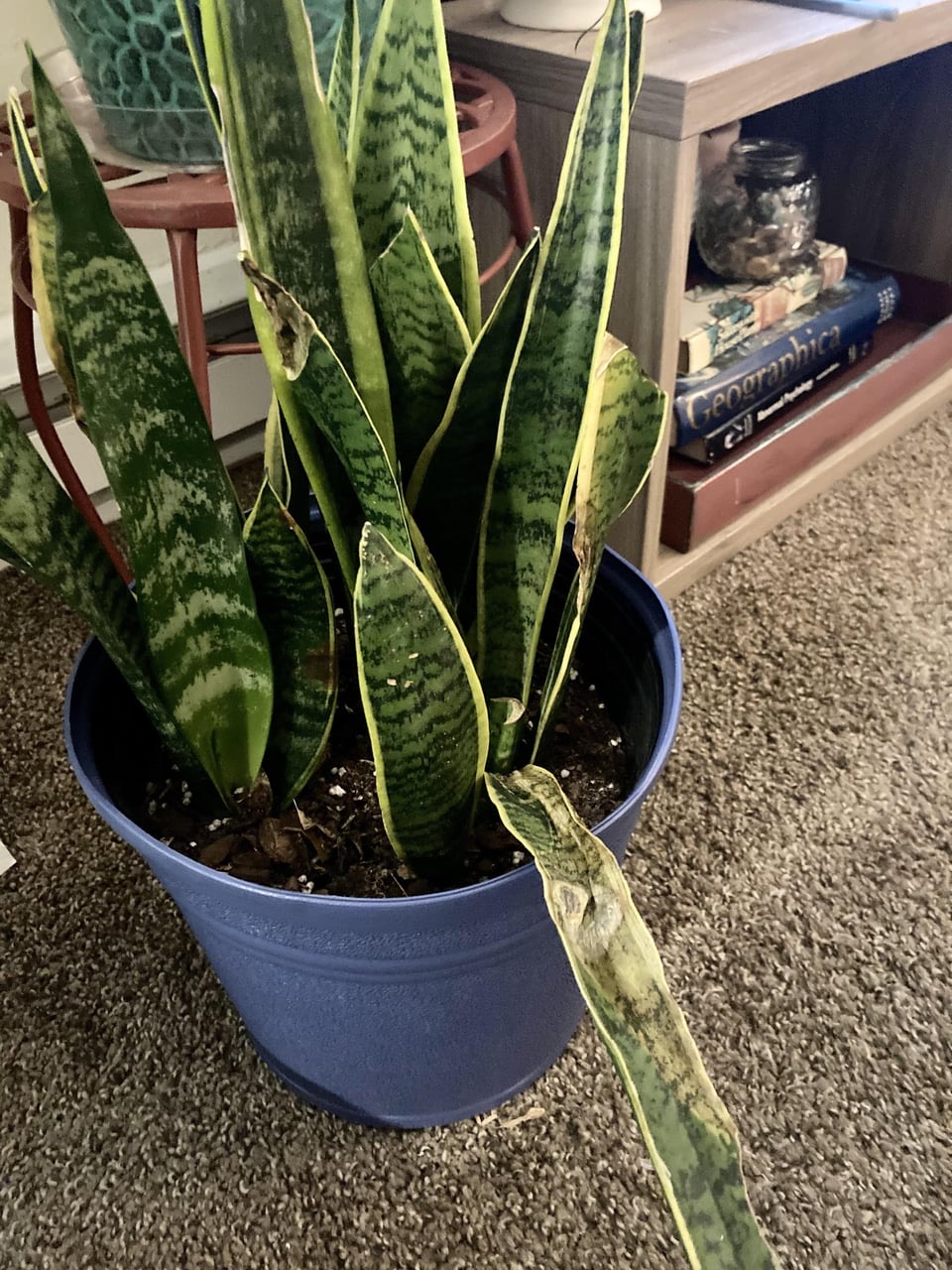
The way snake plants grow can sometimes work against them, especially as they get older. They grow tall leaves from a relatively compact set of roots which can make them unstable.
As your snake plant grows taller (and some varieties can get as big as 3 to 4 feet), it might get more top heavy. If it doesn’t have support from the base of the plant then the tall leaves can start to lean.
Signs your plant has a problem with being too heavy at the top:
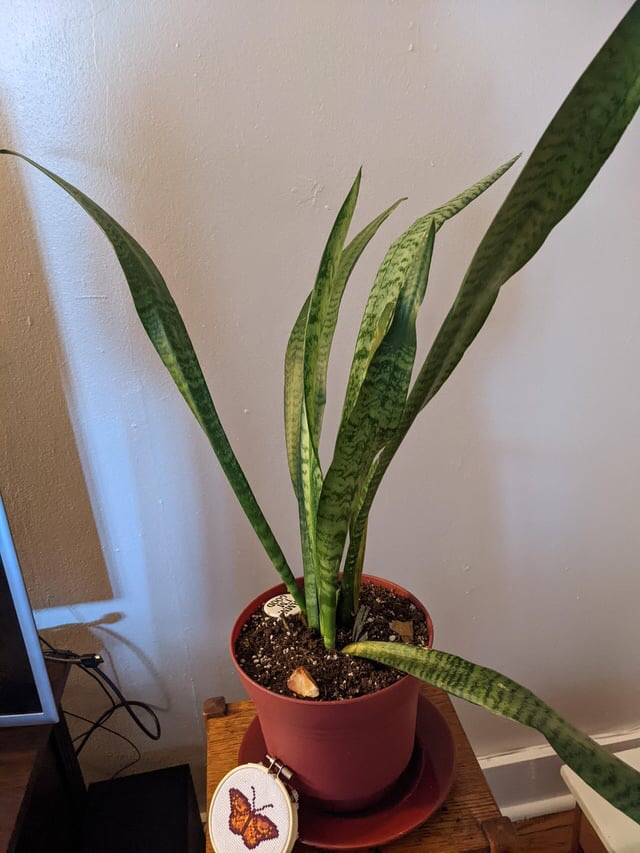
- Leaves that grow outward from the center instead of standing upright
- The whole plant is leaning to one side, even when it gets enough light
- New leaves growing at strange angles
How do you manage this? There are actually a few ways:
First try using a heavier pot. Something like ceramic or concrete will be much heavier at the base. The extra weight works as a balance to the tall leaves.
You can also try staking the plant temporarily. Use plant stakes or even something like chopsticks along with some plant ties. Just be careful not to damage the leaves or roots when your put the stakes in.
Some people even add rocks that look good on the top of the soil to add some weight. It looks nice and also helps to stabilize the plant.
Last year my snake plant that’s over 3 feet now kept tipping over until I moved it from its plastic pot to a ceramic one. No problems after that.
Read more: 9 Reasons your Snake Plant Leaves are Turning Yellow
5. Poor Soil
The right soil mix is very important for snake plants. And getting it wrong can cause big problems.
Snake plants need soil that drains well and doesn’t stay wet for too long. Regular houseplant potting mix will hold on to too much water.
When snake plants sit in soil that’s full of water two things happen: First, root rot becomes a big risk, and second, the soil breaks down faster, which makes it poor at supporting your plant properly.
The signs of soil problems include:
- Soil that stays wet for more than a week after watering
- Soil that’s shrunk away from the sides of the pot
- A crust that forms on the top of the soil
- The pot feels strangely light
The ideal snake plant soil mix should include:
- Regular potting soil (about 1/3)
- Sand or perlite (about 1/3)
- Something like orchid bark or pumice (about 1/3)
This helps make a lot of air pockets in the soil and better drainage but still gives the plant the nutrients it needs and holds on to enough water.
You can either buy a succulent or cactus mix or make your own. I usually add extra perlite to cactus mix because I have a habit of overwatering my plants.
If you don’t want to repot completely you can sometimes top dress your plant by removing the top inch of old soil and replacing it with fresh mix.
Read more: 9 Reasons your Snake Plant Leaves are Curling
6. Pest Problems
When pests attack a snake plant they can damage it enough to cause weakness and eventual flopping over.
The usual pears that hit snake plants include:
Mealybugs
These little bugs look like cotton balls and love to hide in the gaps where the leaves meet the stem. They suck sap from your plant and will make to weaker over time.
Spider Mites
Leave behind a sort of webbing on the leaves, especially when it’s dry. You might need a magnifying glass to spot them they’re so small.
Scale
These look like little bumps on the leaves that you might mistake for normal markings. They attach themselves to the plant and feed continuously.
When your plant is attacked by a lot of pests they can damage it so that the water and nutrients don’t flow around it properly. This results in floppy leaves that can’t support themselves.
If you notice any of these pests you should isolate your plant quickly so they don’t spread to any other plants you have. Treat it with insecticidal soap or neem oil, making sure to follow the package directions.
For very bad infestations you may need to trim away the badly affected leaves. This can temporarily make your plant look a bit sad but will help it recover faster over the long run.
Read more: 7 Reasons your Snake Plant Leaves are Wrinkled (and How to Fix it)
7. Temperature Stress
Extreme temperatures can shock snake plants, and damage them in a way that shows up as leaves that fall over.
Cold damage is especially a big problem. When the temperatures drop below 50°F (10°C), snake plants can get hurt by the cold. This makes the leaves break down, and they get sort and mushy parts that can no longer support themselves.
Have you ever left a snake plant near a drafty window in the winter? Or near an air conditioner that’s on? The plant might start to lean away from the cold, or worse, get cold damage that makes parts of it collapse.
Extreme heat isn’t good either though. Snake plants can handle the warm temperatures better than cold but the heat can cause a lot of moisture loss. Without enough the leaves can become limp and then droop. See this guide for more reasons why a snake plant is drooping and how to fix it.
Signs of temperature stress include:
- Leaves becoming darker with patches that are water soaked
- Brown tips on the leaves (see this guide for more reasons for brown snake plant leaves)
- Suddenly drooping leaves after a change in the temperature
- Leaves leaning away from cold drafts or heat
To fix this keep your snake plant somewhere between 65 to 85°F (18 to 29°C). Also keep it away from windows with drafts, radiators, heaters etc.
If you’ve got a snake plant that’s already suffered damage from cold then unfortunately the damaged leaves won’t recover. You’ll have to trim off the affected parts (or whole leaves if it’s really bad). But new leaves will eventually grow.
FAQ About Snake Plants Falling Over
Should I stake my leaning snake plant?
You can, but it’s better to address the cause of the problems first. Staking is a temporary fix that can help while you deal with whatever the issue is like lighting, watering or the pot. If you do stake it then be careful not to damage the leaves or roots.
My snake plant has fallen over completely. Can I save it?
Usually, yes. Check for rot first. If the base is soft and slushy then you’ll have to cut above that part and propagate the healthy parts. If it’s just leaning or has fallen over but isn’t damaged then repotting it in fresh soil with some good support should help it recover.
How often should I rotate my snake plant?
About once a week is good. This makes sure every side gets equal amounts of light and stops the plant from permanently leaning in one direction.
Can I propagate a snake plant that’s falling over?
Yes. This is good time to propagate. You can cut the healthy leaves into 3 to 4 inch sections and plant them in soil. Or put the leaf cuttings in water until roots form then move them to soil.
Find out how to propagate a snake plant in this detailed guide.
My snake plant is growing sideways instead of up. Is this normal?
Not really. Horizontal growth usually shows the plant is stretching for light. Move it to somewhere that is brighter and new growth should then grow up. Leaves that are already horizontal won’t straighten though.
Can a snake plant recover from overwatering?
Yes, if you catch it early. Remove the plant from wet soil, trim any rotted roots, let it dry out for a day or two, then repot it in fresh soil. Badly overwatered plants with a lot of rot might only be able to be saved if you propagate the healthy parts.
For more tips try our guide to saving a dying snake plant.
Final Thoughts
Well we’ve covered a lot of ground here. The best part of all of this though is that snake plants are good at recovering from most issues, including leaning.
I think being hands off works best when it comes to caring for snake plants. Give them bright light, soil that drains well, a good pot and don’t water too often and they will be happy.
If your snake plant is currently falling over, don’t panic. Look at which of these seven issues might be the reason, make the necessary changes and your plant will likely bounce back.
Recommended for snake plant care
As an Amazon Associate I earn from qualifying purchases.
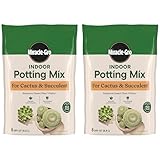
Miracle-Gro Indoor Potting Mix for Cactus & Succulent, 8 qt. (2-Pack)
Fast-draining mix prevents the standing moisture that causes snake plant root rot.

Orceler 6 inch Terracotta & Clay Pots for Plants with Saucer, Medium Terra Cotta Plant Pots with Drainage Hole, Flowerpot with Tray, Terracotta Pot for Indoor Outdoor Plant - Pack of 4 Planters
Porous material wicks excess moisture — essential for a plant that hates wet feet.

XLUX Plant Soil Moisture Meter, for Indoor and Outdoor use, Battery-Free
Snake plants need to dry out almost completely between waterings; this confirms it.

Miracle-Gro Indoor Plant Food for Cactus & Succulent, 8 fl. oz. (2-Pack)
Low-nitrogen formula matches snake plants' minimal feeding needs.
Even snake plants can be killed by accident.
They're tough, but they fail in specific, avoidable ways. My free guide 7 Gardening Mistakes That Are Killing Your Plants covers exactly what to watch for.
