
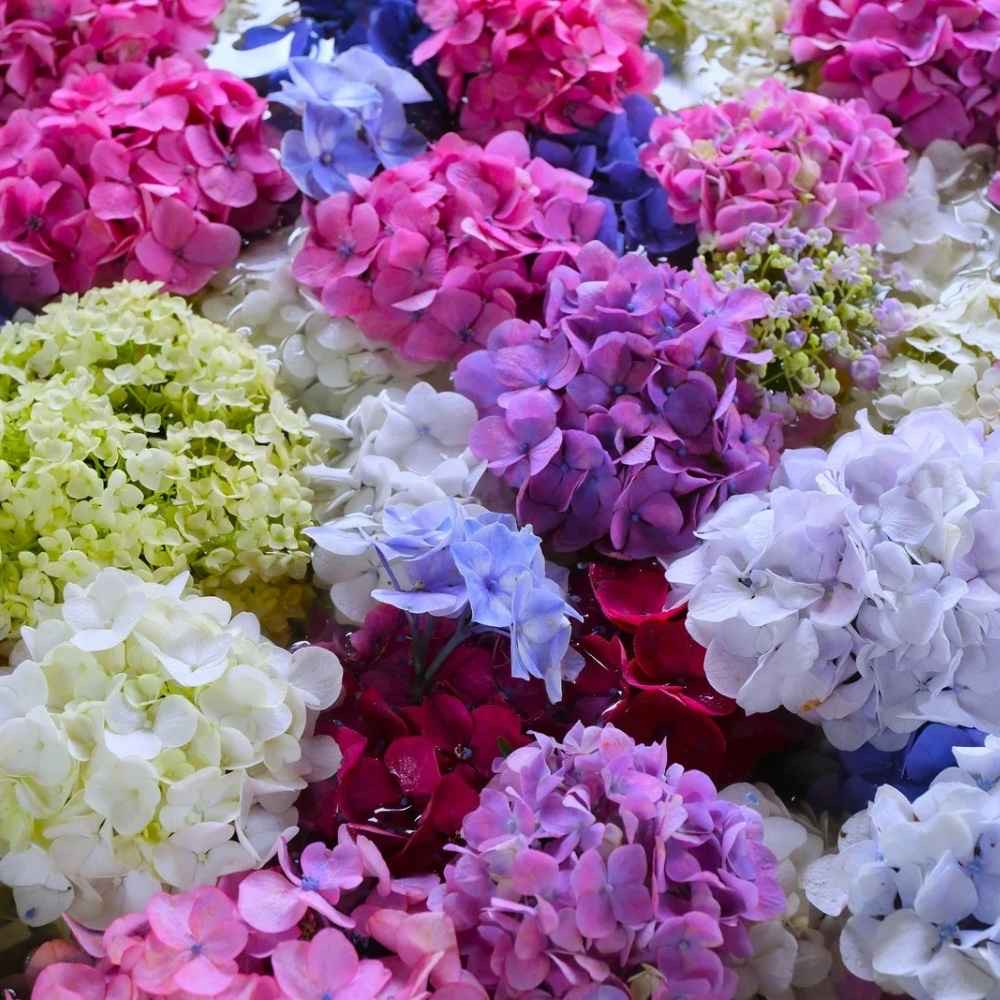
Hydrangeas are one of the most beautiful flowers you can grow in your garden. They are gorgeous to look at and will brighten up any space.
And they can grow in a lot of different conditions too, so they’re pretty hard to beat.
But not all plants make good companions for hydrangeas. There are quite a few that compete for nutrients, bring in pests that can do damage and even create conditions that can mess with the growth hydrangeas.
So if you want your hydrangeas to be successful you need to think about the plants you plant with them. The following plants are some you will want to avoid planting together and why.
Why Compatibility Matters in the Garden
When you’re planning your garden you’ll want to get plants that work together because otherwise it won’t work. It will make a huge difference to the likely success of your plants if they support each other rather than fight.
And some plants do help out one another. They improve the quality of the soil, keep away pests and share nutrients. Others do the opposite though. They will take all the goodness from the soil, invite insects that do harm and create shade that stops good growth.
Knowing which plants work well together will make sure you get a healthier and, frankly, better garden. Better growth and happier flowers and plants. So let’s look at the ones that should stay far from your hydrangeas.
1. Black Walnut
Black walnut trees are notorious for having damaging effects on many plants, including hydrangeas.
Why Black Walnut is a Problem
- Juglone Toxicity: Black walnut releases a chemical called juglone. It’s known to stop hydrangeas from growing properly and can even kill them.
- Soil Depletion: They absorb high a lot of nutrients. This leaves the surrounding soil with a lack of them and any hydrangeas struggling to survive.
- Root Competition: They have deep roots that take water and essential minerals from hydrangeas.
- Shade Issues: Black walnuts grow large and can block sunlight which some hydrangeas need.
- Leaf and Nut Drop: The constant dropping of leaves and nuts creates a mess that can get in the way of hydrangea’s growing.
- Pest Attraction: They can attract certain insects that spread to flowers and plants like hydrangeas.
- pH Imbalance: Black walnut changes the soil acidity levels and make it less suitable for hydrangeas.
- Moisture Absorption: The roots absorb lots of water and leaves little for hydrangeas.
- Slow Growth Impact: When hydrangeas are planted near black walnut trees they quite often develop much slower.
- Weed Encouragement: The bare ground beneath black walnut trees makes it easier for weeds to grow.
2. Sunflowers

Sunflowers are beautiful but don’t grow well with hydrangeas.
Why Sunflowers are a Problem
- Nutrient Competition: Sunflowers have deep roots that draw up lots of nutrients and this leaves less for hydrangeas.
- Water Drainage Issues: Their roots absorb large amounts of water. This can dehydrate hydrangeas and stress them.
- Shade Problems: Because sunflowers grow tall they can cast a shadow over hydrangeas and stop them from getting the sunlight they need.
- Pest Attraction: Sunflowers attract aphids and caterpillars which can spread to hydrangeas.
- Soil Depletion: They take up a lot of nitrogen from the soul, which hydrangeas need, so makes it harder for them to grow well.
- Seasonal Dieback: After blooming sunflowers leave behind leaves and waste that can smother hydrangeas.
- Root Spread: Their roots competes for space, and sunflowers often win. This results in hydrangea roots struggling to grow properly.
- Allelopathic Effects: Sunflowers release chemicals that can stop the growth of plants near to them.
- Wind Breakage: Tall sunflowers can break in the wind and damage nearby hydrangeas.
- Invasive Growth: They self seed aggressively and can overtake the garden.
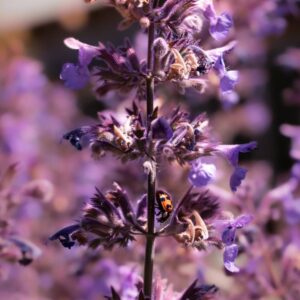
3. Mint
Mint is an aggressive spreader and can overwhelm hydrangeas.
Why Mint is a Problem
- Invasive Growth: Mint spreads quickly and can take over the area you’re planting in.
- Water Competition: It absorbs a lot of water and takes it from hydrangeas.
- Root Interference: Mint’s roots stop hydrangeas roots from establishing the way they need to.
- Shade Issues: Overgrown mint can block the sun from getting to smaller types of hydrangeas.
- Pest Attraction: It can shelter pests like spider mites and aphids.
- Soil Alteration: Mint changes the balance of nutrients in the soil.
- Difficult to Control: Once planted it’s hard to remove mint completely.
- Competes for Fertilizer: Hydrangeas need fertilized soil but mint absorbs the nutrients too quickly.
- Spreads to Other Beds: Mint sends runners into areas you’re planting in which will upset the garden design.
- Winter Dieback Mess: In cold weather mint dies back and leaves a messy garden.
4. Bamboo
Bamboo grows so fast that it can overwhelm hydrangeas.
Why Bamboo is a Problem
- Rapid Growth: Bamboo spreads very fast and takes over garden quickly.
- Water Competition: It absorbs a lot of water from the soil.
- Shade Issues: Bamboo grows tall and blocks the light.
- Root Invasion: Its roots spread out underground and chokes any other plants.
- Soil Drainage Problems: It changes the soil structure which makes it harder for hydrangeas to grow.
- Fertilizer Depletion: Hydrangeas need nutrient rich soil but bamboo absorbs them quickly.
- Hard to Remove: Once established bamboo is difficult to get rid of.
- Pest Attraction: Bamboo can bring pests like beetles and aphids.
- Creates a Root Barrier: Hydrangeas struggle to grow their roots when near bamboo.
- Overwhelming Aesthetic: It can overpower the garden and take away the attention from hydrangea flowers.
5. Roses
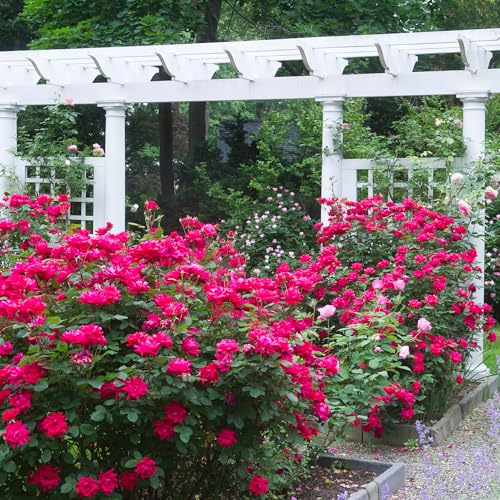
Roses and hydrangeas may both look great but they don’t grow well together.
Why Roses are a Problem
- Pest Magnet: Roses attract aphids and beetles that can spread to hydrangeas.
- High Nutrient Needs: Both plants need a lot of nutrients so they end up in competition.
- Thorny Growth: Rose thorns can damage hydrangea leaves.
- Root Conflict: Their roots compete for space and nutrients.
- Different Soil Preferences: Roses prefer slightly more alkaline soil while hydrangeas do best in more acidic conditions.
- Frequent Pruning Needs: Roses need constant care which can disturb the hydrangeas.
- Attracts Fungal Diseases: Roses are prone to fungus which can spread.
- Block Light: They can block the sunlight from reaching hydrangeas.
- Watering Conflict: Hydrangeas like evenly moist soil while roses need soil that drains well.
- Seasonal Pruning: Pruning roses can upset the hydrangea roots.
6. Tomatoes
Tomatoes are a garden favorite but they don’t pair well with hydrangeas.
Why Tomatoes are a Problem
- High Nutrient Needs: Tomatoes need a lot of nutrients, particularly potassium and phosphorus, which can drain them from the soil.
- Pest Attraction: They attract aphids, whiteflies and hornworms which can spread to hydrangeas.
- Watering Differences: Tomatoes need soil that drains well but hydrangeas do best in soil that holds on to water.
- Susceptibility to Disease: Fungal infections like blight can spread from tomatoes to hydrangeas.
- Root Conflict: Tomato roots are aggressive and can steal the space hydrangeas need.
- Shade Problems: Tomato plants grow tall and can block the light from reaching hydrangeas.
- Soil Imbalance: Tomatoes can alter pH of the soil making it unsuitable for hydrangeas.
- Frequent Pruning Needs: When you prune tomato plants it can upset the hydrangea roots.
- Seasonal Dieback: When tomatoes die at the end of the season and they decay it can attract pests.
7. Peppers
Peppers, like tomatoes, have need a lot of nutrients and can create problems for hydrangeas.
Why Peppers are a Problem
- High Nutrient Consumption: Peppers need a lot of nitrogen, phosphorus and potassium which will drain them from the soil.
- Pest Attraction: Peppers attract aphids, whiteflies and spider mites, which can spread to hydrangeas.
- Root Competition: Their roots competes with hydrangeas for water and space.
- Watering Conflicts: Peppers need soil that drains well but hydrangeas like moist soil.
- Temperature Sensitivity: Peppers do best in warm conditions and hydrangeas prefer moderate temperatures.
- Fungal Risks: Peppers can get fungal infections that can spread to hydrangeas.
- Shade Concerns: Peppers can grow tall and block the sun from hydrangeas.
- Soil pH Imbalance: Peppers like slightly more alkaline soil and hydrangeas like acidity.
- Short-Lived Growth: Peppers are annuals which means when you remove them it can upset the soil near hydrangeas.
- Overcrowding Risks: Peppers need space and planting them too close to hydrangeas can damage both plants.

8. Eucalyptus
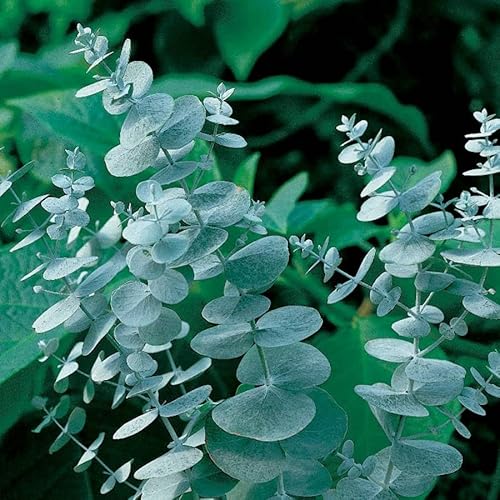
Eucalyptus trees don’t mix well with hydrangeas either.
Why Eucalyptus is a Problem
- Allelopathic Chemicals: Eucalyptus releases substances that stop the growth of nearby plants.
- Excessive Water Use: They absorb lots of water which leaves little for hydrangeas.
- Soil Acidification: The leaves that fall from eucalyptus can make the soil too acidic for hydrangeas.
- Shade Issues: Eucalyptus trees grow tall and cast a lot of shade which can stop hydrangeas from growing well.
- Messy Leaf Drop: Lots of shedding of leaves makes extra garden work.
- Poor Companion Planting: Few plants grow well under eucalyptus trees.
- Fungal Susceptibility: Eucalyptus trees can shelter fungal infections that might spread to plants close by.
- Root Spread: Their large roots can crowd out hydrangeas.
- Hard to Remove: Once established eucalyptus trees are difficult to control.
- Soil Nutrient Drain: They take essential minerals from the soil.
9. Dahlias

Dahlias can compete with hydrangeas and cause problems.
Why Dahlias are a Problem:
- High Nutrient Needs: Dahlias need a lots of phosphorus and potassium, draining it from the soil.
- Space Competition: Their large size can crowd out hydrangeas.
- Pest Attraction: Dahlias bring in aphids, thrips and spider mites, which can spread to hydrangeas.
- Frequent Deadheading: Dahlias need a lot of maintenance and that can upset hydrangeas.
- Different Watering Needs: Dahlias need consistent watering but also soil that drains well. Hydrangeas however do best in moist conditions.
- Shade Problems: Their tall growth can block the light from hydrangeas.
- Soil Imbalance: Dahlias change the soil which may not suit hydrangeas.
- Seasonal Dieback: After they’ve bloomed dahlias leave empty gaps in the garden.
- Heavy Feeder Issues: They take a lot of nutrients which can leave hydrangeas struggling.
- Susceptibility to Disease: Dahlias are likely to get fungal infections that can spread.
10. Fennel
Fennel is a poor orange grown with hydrangeas because of its allelopathic properties.
Why Fennel is a Problem
- Allelopathic Chemicals: Fennel releases substances that stop hydrangeas from growing.
- Soil Competition: Its deep roots absorb nutrients, leaving less for hydrangeas.
- Pest Attraction: Fennel brings in aphids and caterpillars that may spread.
- Space Issues: Fennel’s bigger size can block light from hydrangeas.
- Different Soil Preferences: Fennel like drier soil and hydrangeas need moisture.
- Watering Conflicts: Fennel’s and hydrangeas watering needs don’t much up.
- Growth Rate Differences: Fennel grows quickly and can take over the garden.
- Invasive Behavior: It spreads easily, making it hard to maintain your garden difficult.
- Root Interference: Fennel’s roots can crowd out hydrangeas.
- Not a Good Match for Many Plants: Fennel is known to be incompatible with many flowers and vegetables.
Good Companions for Hydrangeas
A few examples of plants that grow well with hydrangeas include:
Hostas: They grow well in the same shady and moist conditions as hydrangeas and look great alongside them.
Ferns: Add some texture to your garden and help keep the moisture good around hydrangeas.
Azaleas: They like the same slightly acidic soil and flower in different seasons.
Tips for Successful Companion Planting
Know Your Soil: Test your soil to check its pH level. Hydrangeas grow much better in slightly acidic soil so choose plants that match this.
Watering Needs: Plant hydrangeas with plants that also like consistent moisture so you don’t over or underwater.
Shade Considerations: Pick companions that can grow well in partial shade alongside hydrangeas without competing for the light.
Final Thoughts
Try different plant combinations and watch how they work together. Every garden is unique and the right companion plants can help your hydrangeas grow successfully.
And of course the wrong ones can ruin your hard work. So if you want healthy hydrangeas keep them away from the plants here.
