
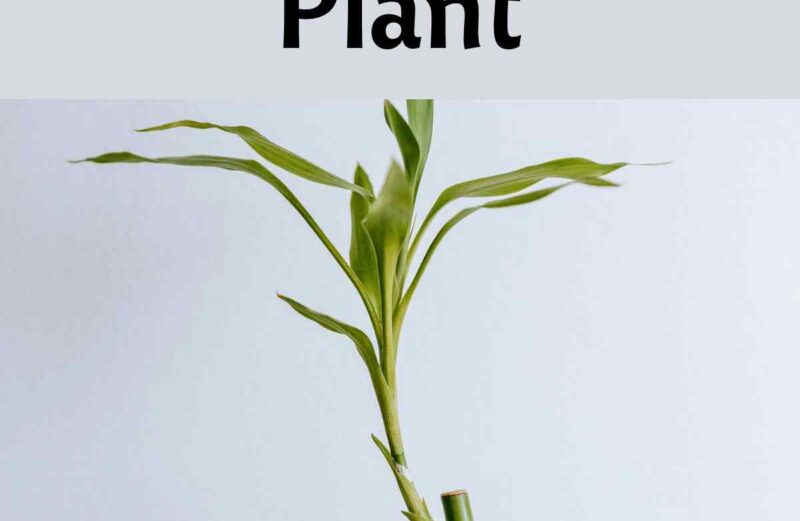
Unfortunately there are some plants and flowers that struggle. One of those that often needs a little extra love and care is the corn plant.
But if your corn plant looks like it’s on its last legs, don’t panic – there are things you can take to revive it.
These simple tips should give you all you need to bring your corn plant back to life.
Quick Answer
- Fix Watering (Most Common): Let the top few inches of the soil dry out before you water it again. Empty the saucer it’s sitting in so the roots aren’t also sitting in water.
- Check Roots and Repot: Take the plant out of its pot, trim any dark or soft roots and then put it in fresh mix and be sure it has at least one drainage hole.
- Improve Light and Air: Put the plant in bright, indirect light and keep it away from cold drafts or vents that let out hot air.
1. Assess the Situation
Check the Symptoms
Before you can revive your corn plant you need to understand what’s wrong it. Some of the most common signs its in trouble or unhappy are:
- Yellowing leaves
- Brown tips
- Drooping or wilting
- Stunted growth
Identify the Cause
Common issues include:
- Overwatering: Too much water can cause root rot which is one of the most common problem with corn plants.
- Underwatering: Not enough water can also cause issues like the wilting and the leaves turning brown.
- Poor light conditions: Both too much and too little light can cause issues for corn plants.
- Pest infestation: Insects like spider mites, mealybugs and scale can damage corn plants.
- Lack of Nutrients: Not getting enough nutrients can lead to yellowing leaves and poor growth.

2. Adjust Your Watering Routine
Overwatering
Corn plants can develop root rot if they are overwatered. Things like yellowing leaves and a mushy stem are signs that’s what’s happening.
- Let the soil dry out before you water your plant again. Stick your finger an inch in to the soil to check how moist it is. If it’s still damp wait a few days and check again.
- The pot your corn plant is in most have good drainage. If water is collecting at the bottom of it that will also lead to root rot. If the pot doesn’t have drainage holes or they just aren’t good enough then it may be time to repot your corn plant into a container that does.
Underwatering
If your plant is drooping and the soil is dry thats a very clear sign it’s not getting enough water.
- Water thoroughly and let the excess water drain out. Make sure the water reaches the roots by watering until you see water coming out of the drainage holes.
- Try to have a regular watering schedule, typically once a week. You’ll need to work out the right balance for your own corn plant based on what it needs and its environment.
3. Improve Lighting
Find the Right Spot
Corn plants like bright, indirect light. Too much direct sunlight will burn the leaves. Too little light and those leaves can turn yellow.
- Put your corn plant near a window with filtered light. North or east facing windows are usually best.
- Don’t let them get direct afternoon sun. If the only spot is in direct sunlight use a sheer curtain to diffuse the light.
Supplement with Artificial Light
If you can’t give your corn plant enough natural light then you might want to use a grow light.
- LED grow lights are a great option. They are energy efficient and give your plants the spectrum of light they need.
- Keep the light on for 12 to 14 hours a day. Put the grow light about 6 to 12 inches above the plant for the best results.
Source: Reddit

4. Address a Lack of Nutrients
Fertilizing Your Corn Plant
A lack of nutrients can lead to yellowing leaves and poor growth.
- Use a balanced liquid fertilizer diluted to half strength. Look for a 10-10-10 or 20-20-20 formula.
- Feed your corn plant every 4 to 6 weeks during the growing season (spring and summer). Slow the feeding in the fall and winter when how much your plant is growing slows down.
Repotting
If your plant has been in the same soil for years it might be time to freshen it up.
- Go for a potting mix that drains well. A mix that is specifically designed for houseplants is a good idea. Or a blend of perlite, pray and vermiculite also works well.
- Repot your corn plant in the spring to get the best results. Remove the plant from it’s pot, loosen the roots and put it it’s new pot with the fresh soil.

5. Pest Control
Common Pests
Corn plants can be affected by pests like most plants. Look out for spider mites, mealybugs and scale.
- Do regular inspections of your plant to check for signs of pests. Look for tiny insects, sticky residue webbing or small bumps on the leaves and the stems.
- Use a magnifying glass if you need to get a closer look.
Treatment Options
If you find any pests you’ll want to do something about them as fast as you can.
- Wipe the leaves with a mixture of water and mild soap. It may not seem like much but this can remove and kill a lot of pests.
- Use insecticidal soap or neem oil if you’ve got a really bad infestation. Follow the instructions on the product label to get the best results.
- Quarantine whichever plant is affected if you can. You don’t want it to spread any pests to your other plants.
Source: Reddit
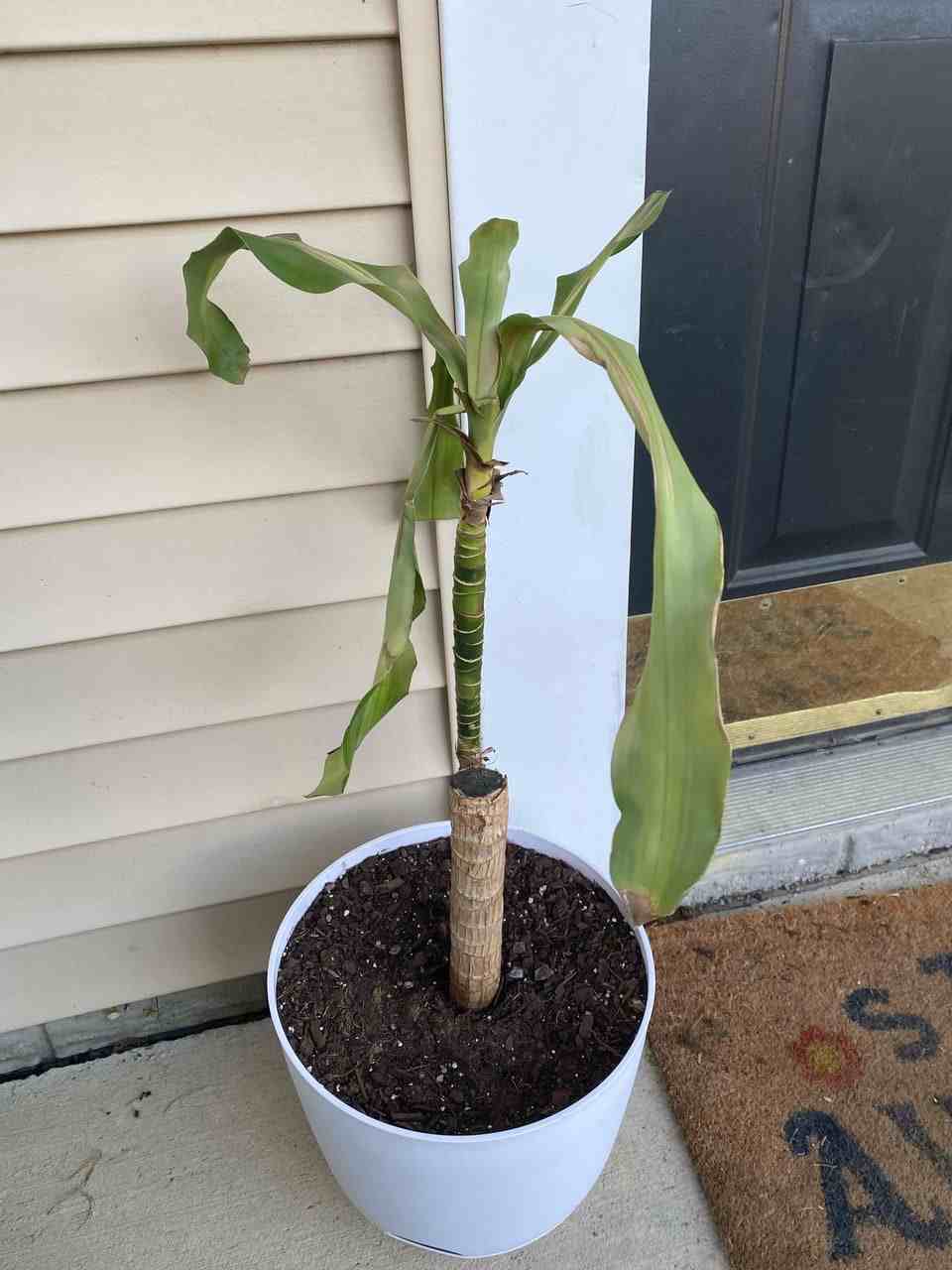
6. Proper Humidity Levels
Maintain Humidity
Corn plants prefer moderate to high humidity. Dry air can cause their leaf tips to turn brown.
- Use a humidity tray or a room humidifier. Put the pot on a tray filled with pebbles and water. Make sure the pot is sitting above the water level.
- Mist the leaves fairly regularly, especially in the winter. This is when the air indoors gets drier. And when you’re misting try to use room temperature water.
Grouping Plants
Putting multiple plants together can help them all to keep their humidity at the right levels.
- Grouping your plants will benefit them all. Plants release water by the way of photosynthesis, so when there’s lots of them all releasing water it makes the air around them more humid. And they all like that!
- Make sure there’s enough space for the air to circulate properly otherwise it could result in mold. And don’t crowd your plants too closely together.
7. Pruning and Cleaning
Pruning Dead or Damaged Leaves
Remove any dead or yellowing leaves. Doing so will encourage new growth.
- Use sharp and clean scissors or pruning shears. Disinfect the blades with rubbing alcohol both before and after you use them so you don’t spread any diseases.
- Cut the leaves at the base to so you don’t leave any stubs. Clean cuts will reduce stress on the plant.
Cleaning the Leaves
If your corn plant leaves are dusty it can block the light from getting to them and stop photosynthesis.
- Wipe the leaves with a damp cloth every few weeks. Be gentle though. If you’re too rough you could damage or break the leaves. So use one hand to support the lead and the other to wipe it.
- Avoid using leaf shine products as they can clog the pores. Water or mild soap is much better.
8. Monitor and Adjust
Regular Checkups
Keep an eye on your corn plant and if you notice anything changing or getting worse you can adjust what you need to.
- Keep checking the moisture of the soil on a regular basis. A moisture meter works well but just sticking your finger in the soil is good enough.
- Watch for new signs of your plant looking unhappy or pests. Finding and dealing with any problems early will stop them turning into bigger issues later on. And ones that may be harder to treat.
Seasonal Changes
You may need to switch up how you’re caring for your corn plant based on the season.
- Reduce how often you’re watering in the winter when growth slows down. Your plant will need less water during its dormant period.
- Increase humidity during the dry months. Use a humidifier or mist the leaves more often in the winter.
Final Thoughts
Brining your corn plant back from the brink needs patience and playing close attention to detail. But if you follow these steps there’s no reason you can’t bring your corn plant back to life.
Remember though that each plant is unique. So you’ll need to watch it closely and act when you notice something that needs dealing with. Without too much effort you should have your corn plant back and thriving again in no time.
My corn plant bloom twice in 40 years. First time was in 2003 and 4 weeks ago . Plant was purchased in 1985,