
Marigolds are a favorite for growing in gardens. They’re bright and beautiful as well as being able to keep away nasty pests.
On top of that they’re easy to grow and very versatile, so a perfect choice for beginners.
But not every plant makes a good neighbor for marigolds. Some will clash and compete for resources, others bring in pests that do harm or just don’t grow well next to them.
So these are some of the worst plants that don’t work well with marigolds and the reasons why so you will know to avoid planting them together.
Why Plant Compatibility Matters
In gardening it’s really important to get the right plants that work and grow together. If not you’ll end up with garden that fails to work and your plants/flowers all struggling.
And there are certain plants that work together and others don’t. If you get the wrong combinations then it can cause problems. Put two or more together that don’t work and they’ll compete for nutrients, get all the wrong pests and just grow badly, if at all.
So to make the most of your marigolds it’s definitely worth knowing which plants to keep away from them. So use these recommendations of which ones to avoid.
1. Beans
Beans might seem like they’re harmless at first glance but they really don’t work with marigolds.
Why Beans are a Problem:
- Root Competition: Both plants have roots that will compete against each for space and nutrients.
- Allelopathy: Marigold roots can release chemicals that stop beans from growing.
- Pests: Beans attract aphids, which may also damage marigolds.
- Fungal Issues: Beans are likely to get fungal diseases and these can then spread to marigolds.
- Shade Problems: Climbing beans can overshadow marigolds meaning they don’t get enough sun.
- Different Water Needs: Beans like to be moist consistently whereas marigolds don’t mind drier conditions.
- Poor Growth: Both compete for phosphorus and that can mean both plants do poorly.
- Pest Impact: Marigolds attract beetles that can harm bean crops.
- Soil Imbalance: Bean plants fix nitrogen which may goes against what marigolds like.
- Poor Pollination: Marigolds can take pollinators away from bean flowers.

2. Cabbage Family
Cabbage, broccoli, kale and other brassicas don’t do well near marigolds.
Why Brassicas are a Problem:
- Nutrient Competition: Both take a lot from the soil and deplete it of essential nutrients.
- Pest Attraction: Marigolds attract pests like slugs that will do damage to brassicas.
- Allelopathy: Marigolds can release chemicals that stop brassicas from growing properly.
- Root Zone Conflict: Their roots overlap and will compete for space and nutrients.
- Fungal Diseases: Brassicas develop fungal issues that can spread to marigolds.
- Moisture Imbalance: Brassicas like to be watered more often than marigolds.
- Weed Like Growth: Marigold roots can grow like weeds and stop brassicas growing.
- Insect Confusion: Pests kept away by marigolds may look for other plants and focus on brassicas instead.
- Crowding Issues: The way brassicas grow can crowd out marigolds.
- Different Soil Needs: Brassicas like the soil to be alkaline while marigolds like it to be neutral to acidic.

3. Fennel
Fennel is notorious for being awful when planted next to most plants, marigolds included.
Why Fennel is a Problem:
- Allelopathy: Fennel releases chemicals that stop any plants close to it from growing.
- Nutrient Competition: Fennel takes nutrients from the soil and leaves marigolds struggling.
- Pest Habitat: Fennel attracts pests that can target marigolds.
- Shading Issues: Fennel grows tall and stops marigolds from getting the light the light they need.
- Root Spread: Fennel’s roots compete aggressively with marigolds.
- Moisture Competition: Fennel absorbs a lot of water which dries out the soil.
- Delayed Growth: Any marigolds close by may show slow growth or development.
- Attracting Aphids: Fennel attracts aphids, a pest that can affect marigolds.
- Unbalanced Ecosystem: The pests that fennel attracts can stop any beneficial insects from coming too.
- Soil Toxicity: Even after you’ve removed fennel from the soil it’s compounds can stick around and age g how marigold grow.
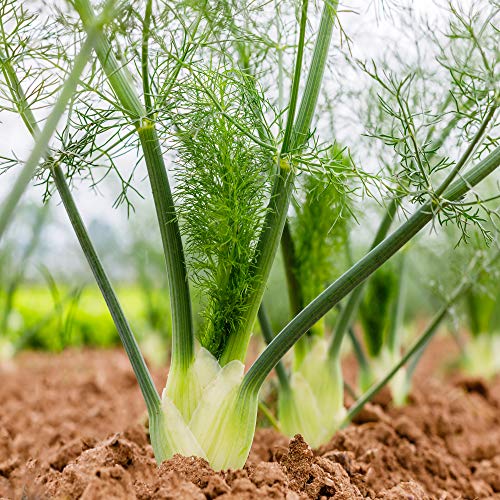
4. Potatoes
Potatoes don’t get along well with marigolds (and many others!) because of pests and the nutrients they need.
Why Potatoes are a Problem:
- Pest Attraction: Potatoes attract pests like aphids and Colorado potato beetles that can spread to marigolds.
- Nutrient Depletion: Potatoes take a lot of nutrients from the soil and will compete for nitrogen and potassium.
- Shading: Potato plants grow bushy and can block the light from getting to marigolds.
- Moisture Issues: Potatoes need a lot more watering than marigolds.
- Soil Disturbance: When you harvest the potatoes it can upset the marigold roots.
- Fungal Concerns: Potatoes can get blight which can then spread to nearby plants.
- Root Zone Conflict: Their roots compete against each other which will lead to poor growth for both plants.
- Limited Pollinators: Pollinators may choose marigolds over potato flowers.
- Weed Growth: Potatoes have dense leaf growth which will make weeds grow around marigolds.
5. Dill
Dill may seem like a herb that wouldn’t cause problems but it also clashes with marigolds.
Why Dill is a Problem:
- Allelopathy: Dill releases chemicals that stop marigolds growing.
- Pest Attraction: Dill attracts pests that can then move to and affect marigolds.
- Nutrient Competition: Dill competes for nitrogen, leaving the soil lacking it.
- Root Overlap: Their root can tangle and stop both growing.
- Shading Effects: Dill grows tall and will block the sun from getting to marigolds.
- Different Water Needs: Dill likes a lot more water than marigolds.
- Disrupted Ecosystem: Dill may stop beneficial insects that marigolds would attract.
- Crowding: Dill spreads quickly and takes over the space marigolds need.
- Weed Like Behavior: The amount and way dill grows can be too much for and choke out marigolds.
- Harvesting Issues: Removing dill can upset marigold roots.

Good Companions for Marigolds
While some plants don’t work with marigolds there are others that do well:
- Tomatoes: Marigolds repel nematodes and aphids that affect and harm tomatoes.
- Basil: Basil also benefits from the fact marigolds keep pests away.
- Lettuce: Marigolds keep lettuce free of pests.
- Carrots: Marigolds keep away carrot flies.
- Peppers: Marigolds also stop pests that target peppers.
- Zinnias: Both attract pollinators.
- Cucumbers: Marigolds help keep away cucumber beetles.
- Eggplant: Marigolds deter pests harmful to eggplants.
- Strawberries: They attract pollinators that help strawberries thrive.
- Squash: Marigolds stop squash beetles from coming.
Tips for Companion Planting with Marigolds
- Test your soil for it’s nutrient levels wi you can match compatible plants.
- Group plants that have the same needs when it comes to watering.
- Rotate crops every year so pests don’t build up.
- Space plants so they don’t compete too much.
- Use mulch to manage any weeds and hold on to water.
- Plant marigolds along garden edges to help control pests.
- Watch how the plants grow and change any pairings as needed.
- Encourage beneficial insects with different sorts of plants and lots of variety.
- Keep track of combinations that work by writing down all the pairings you try.
- Try different arrangements to find what works best.
As long as you are sensible and think through what you’re planting then your marigolds will be happy and do well alongside the right companions.